Portuguese
  Spanish


Although artificial intelligence is increasingly present in the academic environment, many university students are concerned about the side effects of excessive use. Among the fears are intellectual stagnation, professional fragility, and loss of creative and analytical skills.
Artificial intelligence has become an ally for university students. But not everyone is comfortable with it. While many use technology to lighten their study loads, others report feelings of fear, guilt, and even professional stagnation.
The presence of AI in universities is growing — along with concerns about its long-term effects.
Between Ease and Discomfort
Various university students reported that AI has been helpful but also a source of discomfort. Some completely avoid it. Others admit to using it, but with reservations. The main complaint? Fear of becoming dependent on technology.
-
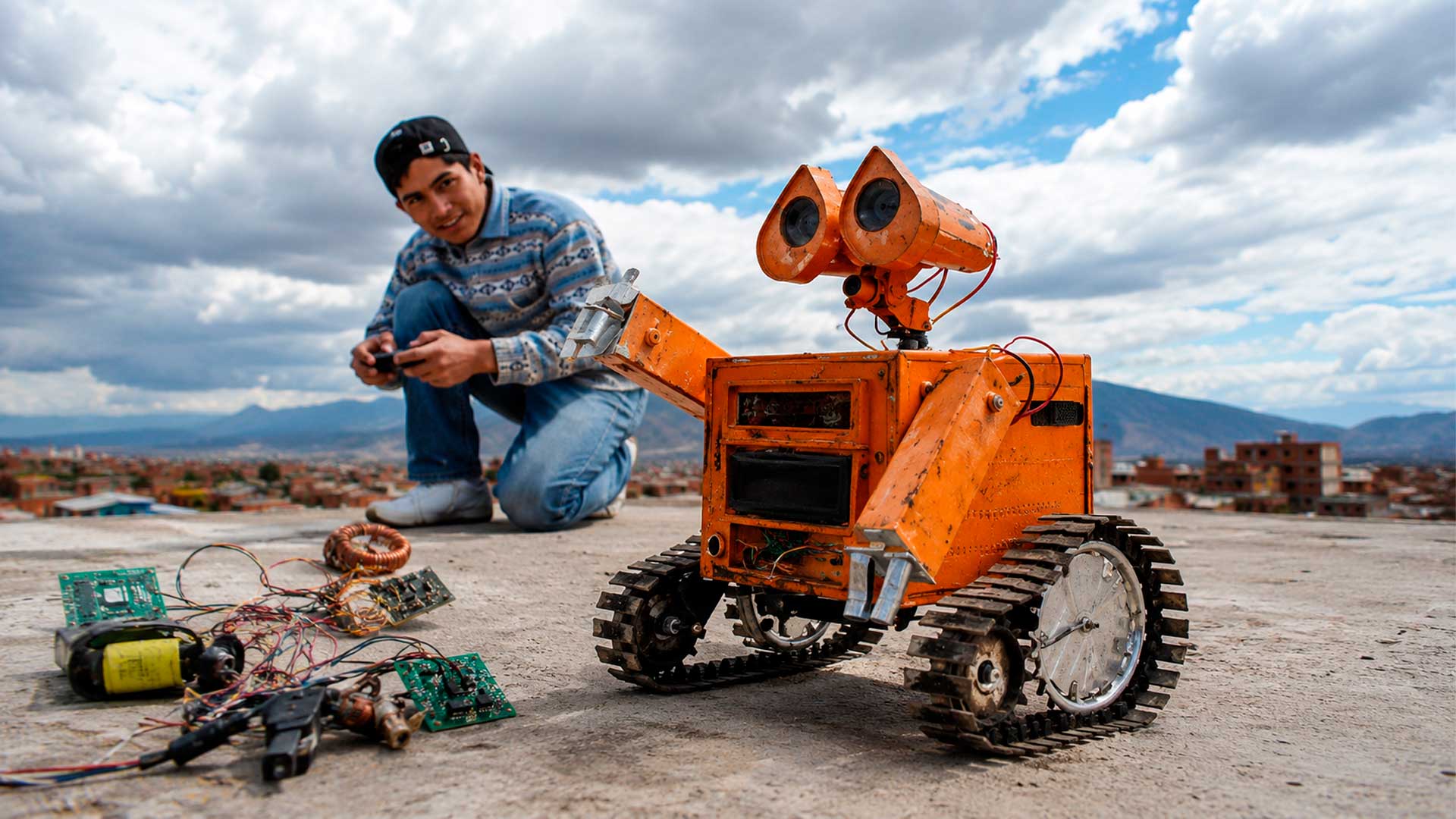
Bolivian Teen Builds Functional Robots from Scrap Materials in High-Altitude Rural Town

-
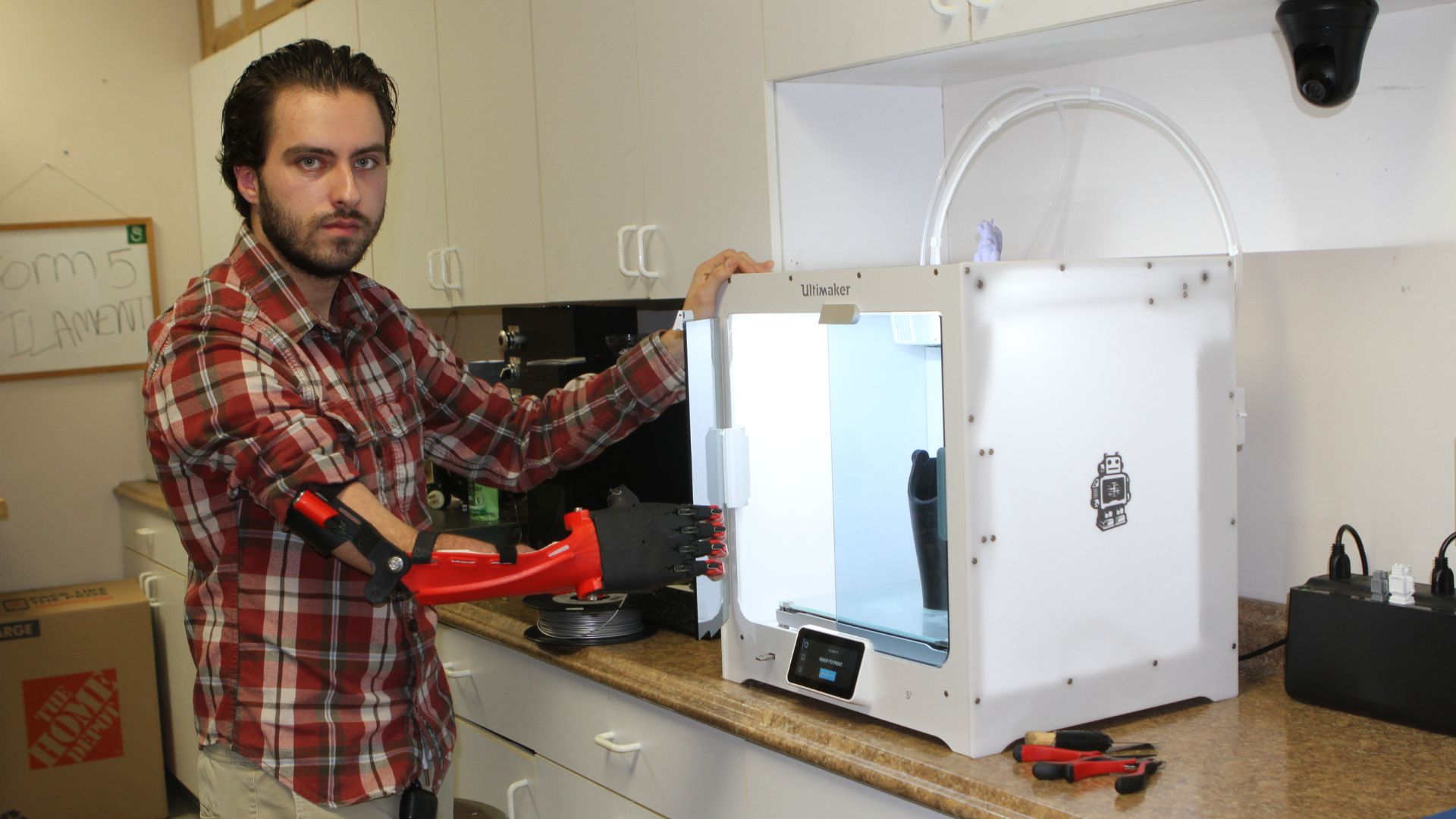
Student Creates 3D-Printed Prosthetics from Recycled Plastic, Turning Waste into Affordable Custom Arms
-
Climate Scientist Who “Proved” Humanity Is Warming the Earth

-
NASA Targets Saturn’s Icy Moon Titan as a Waystation for Interplanetary Travel, Utilizing Its Resources for Fuel and Astronaut Support



Ellis Edgeman, a graduate in accounting from Florida State University, tries not to use it. “I don’t trust it much. It seems like more work than doing the assignment,” he said. He complains about the time spent checking and rephrasing AI-generated texts.
Michael, a computer science student at University of Miami, shares this anxiety. He fears that his growth as a programmer is stagnating. “It’s hard to get out once you’re in. Your skills get kind of locked in,” he remarked.
Guilt, Routine, and a Push at the End of the Semester
Guilt is also a common feeling. Michael admits to turning to AI more frequently during finals week when fatigue sets in. “The longer the semester goes on, the more exhausted you get. It’s easy to fall into that trap,” he said.
Despite this, he notes that nearly everyone uses it in some way. It’s a matter of dosage.
AI as Relief for Repetitive Tasks
For many, AI is a tool to eliminate what they call “bureaucratic work.” It’s not about delegating the whole task but rather speeding up tedious parts.
Nicole Rivera-Reyes, a legal studies student at the University of Central Florida, avoids ChatGPT but uses Google’s NotebookLM. She uses AI to transcribe videos and take notes. “It should be used to expedite, not to completely redo,” she stated.
Samantha Wilson, a music education graduate, avoids AI for fear of being accused of plagiarism. But she understands those who use it. “Some classmates use it for everything. They feel that writing is a waste of time,” she shared.
Overload as a Trigger
Some see AI as a way to survive a demanding routine. A musical theater student from the University of Miami said she needed to get a good grade but didn’t understand the classes. She turned to AI. “It broke down the concepts more clearly than the professor did.”
Even with help, she says the process felt like “checking a box.” But without the technology, maintaining her routine would be unmanageable. “I have class, a show I’m producing, hours of work… Without AI, I wouldn’t even be able to take care of myself,” she said.
Another student, in health sciences, used AI to finish a physics course. “Before, I didn’t eat anything. Now I can take a shower and sleep,” she reported.
In Groups and in Despair
The use of AI is not limited to one university or another. An architectural engineering student at Farmingdale State College in New York recounted that the entire class was behind at the end of the semester. The result? A collective effort of “silent cheating.”
According to him, during a final exam, students used AI and platforms like Chegg to share answers. “No one was retaining anything. It was just a group trying to survive.”
Fear of Cognitive Atrophy
Some students are concerned about potential “<strong(skill atrophy.” Riley, in computer science at University of Florida, has already felt the impact. “I used AI for something. A month later, I couldn’t remember how I did it.”
Researchers from Microsoft and Carnegie Mellon warn of the same risk. They found that the more a person automates routine tasks, the less engaged they become with the process. This may hinder independent thinking and problem-solving.
The research indicates that AI may cause a “shift in cognitive effort,” leaving the user merely supervising tasks without engaging in critical thinking.
Technology Needs to Be Used Well
Patrick Wilson, an anthropology student at University of Hawaii, believes that proper use of AI depends on the individual. For him, the tool is useful, but it requires awareness. “It’s our responsibility to keep our skills active. If used correctly, you’re still thinking critically,” he said.
John Keon, a finance student at Saint Joseph’s University, agrees that AI is the next technological step. But he makes an important distinction between academic and professional use.
“In business, it’s great. But in university, you lose brainstorming. And that’s a fundamental part of the creative process,” he explained.
AI is present in the academic lives of many university students. But the line between using and depending is thin. For some, it represents time-saving and relief from burden. For others, a real risk of losing essential skills.
The choice seems to rest with each student. But the debate about how — and how much — to use this technology is far from over.
With information from BI.