Portuguese
  Spanish


Brazilian Consumers Will Pay R$ 103.6 Billion for Energy Tariffs in 2025 Due to Subsidies and Inefficiencies. Abrace Energia Warns of Distortions That Increase Electricity Bills and Compromise National Competitiveness
On this Thursday, September 11, 2025, the Brazilian Association of Large Consumers of Energy and Free Consumers (Abrace Energia) released a study that exposes the hidden costs that make electricity tariffs in Brazil more expensive.
According to the survey, consumers will pay R$ 103.6 billion in subsidies and inefficiencies embedded in the electricity bill, a significant burden for families and businesses across the country.
The study reveals that out of every R$ 100 paid in the energy bill, R$ 26 corresponds to charges and losses that do not generate direct benefits for the consumer. This reality compromises the competitiveness of the national industry and penalizes residential consumers, who face successive increases in energy tariffs.
-
USP researcher creates thesis to attract international funds for the country’s electric energy sector

-
Trafigura receives authorization from ANEEL to trade electricity in Brazil and expands its operations in the largest energy market in Latin America.
-
Mobile solar panels promised to share space with corn crops, but the 20% to 25% shade reduced production by an average of 7.7% and opened a new dispute between energy and food.
-
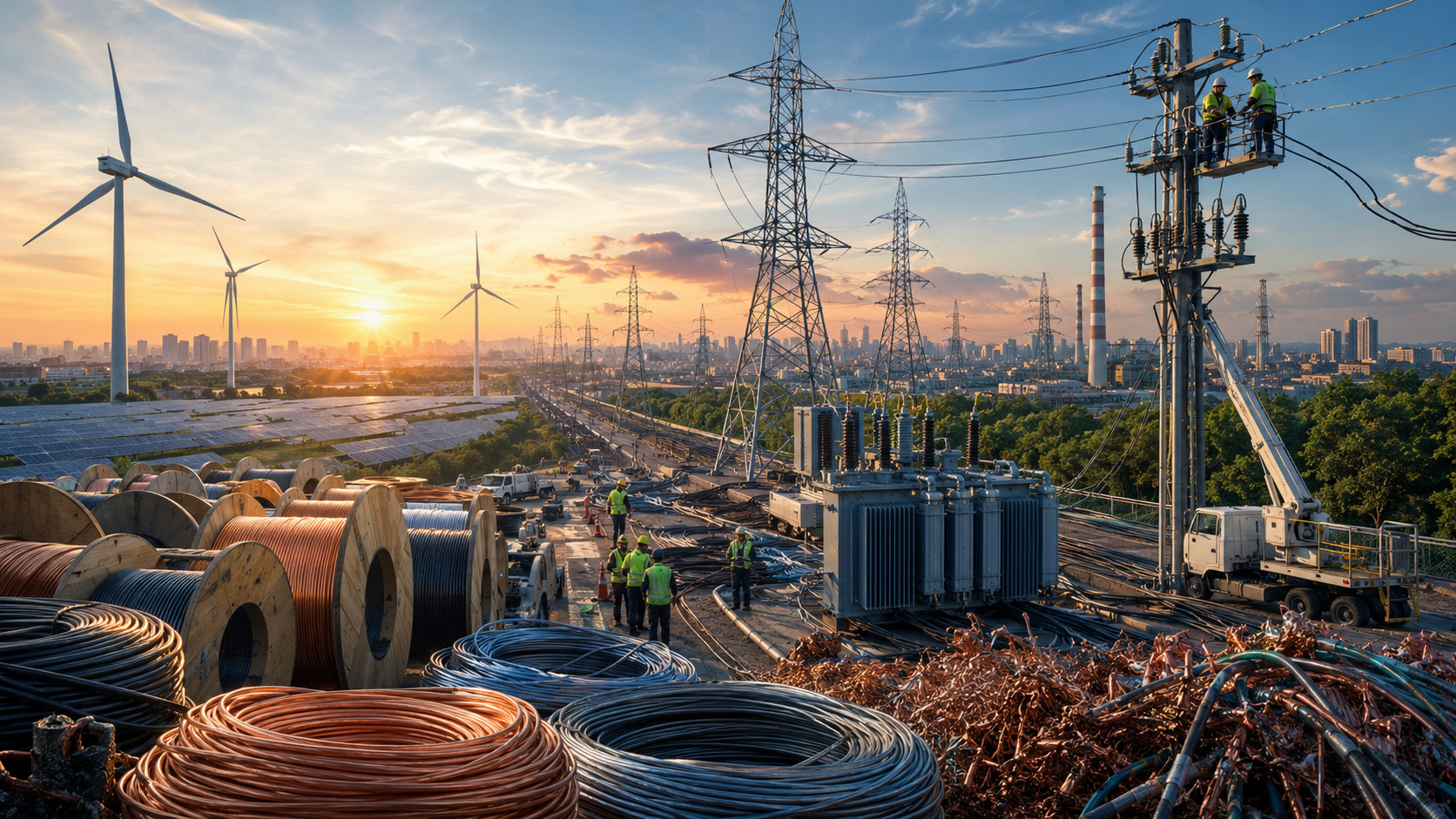
More than 80 million kilometers of wires need to be replaced by 2040: the energy transition doesn’t just depend on panels and electric cars, but on a colossal race for copper, aluminum, transformers, and recycling of old cables.


Abrace Energia Points Out Distortions in the Composition of Energy Tariffs
The structure of the Brazilian electricity tariff is complex and includes various components beyond actual consumption. Abrace Energia identified that the main factors driving up electricity costs are:
- Energy Development Account (CDE): a fund that finances public policies in the electricity sector, such as subsidies for renewable sources and social tariffs. In 2025, it will represent R$ 44.4 billion.
- Hidden Costs: technical and non-technical losses, delinquency, and programs like Proinfa. They total R$ 59.2 billion.
- Taxes on Charges: taxes that apply to sector charges, further increasing the final bill amount.
These elements, according to the entity, create a cycle of cost escalation that directly affects consumers and undermines Brazil’s competitive potential in the global energy landscape.
Subsidies and Inefficiencies: The Direct Impact on Electricity Bills
Abrace Energia’s study shows that subsidies and inefficiencies not only increase the cost of energy, but also distort the market. As charges rise, taxes also increase, as they apply to these amounts. This creates a cascading effect that penalizes all consumers, regardless of consumption profile.
Paulo Pedrosa, President of Abrace Energia, emphasized that it is necessary to better harness the clean and inexpensive energy generated in Brazil. He believes the country is wasting a strategic advantage by not using its renewable energy matrix as a driver of development.
Abrace Energia Mentions Clean Energies
Brazil has one of the cleanest energy matrices in the world, with a predominance of renewable sources such as hydroelectric, wind, and solar. However, this advantage is being undermined by subsidies and inefficiencies that increase electricity bills.
According to Pedrosa, the country could become a global benchmark in sustainable production, attracting investments and generating jobs. The executive highlights that the country needs to adopt a development strategy that leverages the potential of clean, low-cost energy to drive the production of sustainable goods.
The entity points out that the lack of an efficient energy policy undermines this opportunity and keeps Brazil at a competitive disadvantage compared to other nations that have invested in cost reduction and energy transition.
Impact on Consumers and the Brazilian Industry
The effects of subsidies and inefficiencies are directly felt by consumers. Families struggle to afford the costs of electricity bills, while businesses deal with high tariffs that compromise the sustainability of operations.
The Brazilian industry, in particular, suffers from the loss of competitiveness. In a global energy transition scenario, countries like the United States have adopted strategies to reduce energy costs, such as the use of shale gas. According to Abrace, Brazil remains trapped in a model that penalizes the consumer and hinders economic growth.
Abrace Energia’s Proposals to Reduce Energy Tariffs
In light of the concerning scenario, Abrace Energia proposes concrete measures to address the subsidies and inefficiencies that increase electricity bills:
- Review of Unexecuted or Unnecessary Contracts
- Halting the Contracting of Expensive and Inefficient Plants
- Uncontracting Projects That Did Not Generate Acquired Rights
- Reduction of Taxes on Sector Charges
These actions aim to make electricity tariffs fairer, more transparent, and aligned with the interests of consumers and the national economy.
The Role of the Government in Reviewing Subsidies and Inefficiencies
According to Abrace Energia’s study, the federal government acknowledges the problem and claims to be seeking solutions to reduce the cost of electricity.
A Provisional Measure was sent to Congress with the aim of limiting the growth of the CDE, but faces resistance and may lose validity in November 2025 if not approved.
Meanwhile, technical areas of the government, especially from the economic team, point out subsidies that should be eliminated to lighten the electricity bills for consumers. However, the lack of consensus and effective action keeps the scenario of uncertainty and high tariffs.

International Comparison: Brazil at an Energy Disadvantage
Compared to other economies, Brazil has one of the cleanest matrices but also one of the highest energy tariffs. This contradiction undermines the country’s attractiveness to investors and limits the growth potential of strategic sectors.
Paulo Pedrosa cites the example of the United States, which significantly reduced energy costs by using shale gas. Brazil, despite its abundance of renewable resources, remains hostage to subsidies and inefficiencies that inflate electricity bills and harm consumers.
Transparency and Efficiency: Pathways to a Fairer Energy Tariff
Abrace Energia’s study, released in September 2025, serves as a warning about the urgent need to revise the tariff structure of the Brazilian electricity sector. The R$ 103.6 billion that consumers will pay in subsidies and inefficiencies represents a waste of potential and a tariff injustice.
Clean and inexpensive energy should be a driver of development, not a financial burden. For this, it is essential that the government, regulatory agencies, and civil society act in a coordinated manner to promote greater transparency, efficiency, and fairness in the composition of electricity tariffs.
Abrace Energia plays a fundamental role in bringing concrete data to light and proposing viable solutions. The debate about electricity bills needs to be expanded, focusing on protecting consumers and building a sustainable and competitive energy model.