Portuguese
  Spanish


New Executive Order Signed by Donald Trump Revives Immigration Policies from His First Term, Focused Mainly on African and Middle Eastern Countries. Cuba and Venezuela Face Specific Restrictions.
The former president Donald Trump, who currently leads the polls as the main Republican presidential candidate for the November elections in the United States, signed on Wednesday (June 4, 2025) a new immigration decree that prohibits the entry of citizens from 12 countries into U.S. territory. The measure also imposes partial restrictions on another 7 countries, including Cuba and Venezuela.
According to the official document from the White House — already available at this official link — the new rule will take effect on June 9, 2025, and is based on claims that these countries have serious shortcomings in their identity verification and security systems for travelers.
Countries With Total Entry Ban
The list of countries whose citizens will not be allowed to enter the United States indefinitely includes:
-
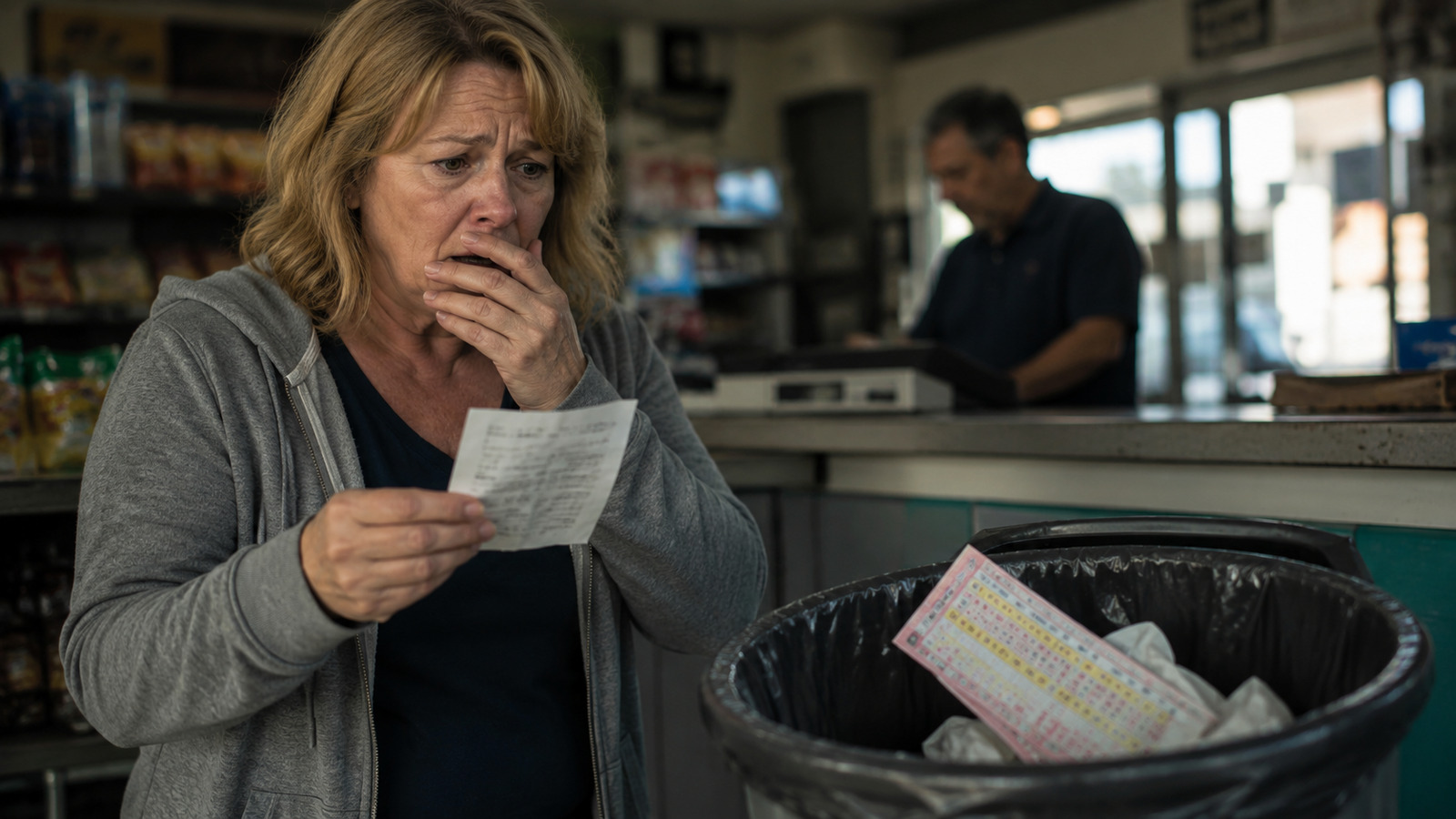
Mother discovers she may have won £12 million in the lottery but faces an agonizing wait after the shopkeeper threw the ticket in the trash.

-
A couple bought a house in Sheffield and, when removing the carpet from the hallway, found a trapdoor leading to a secret 23 m² basement with a 2-meter ceiling height, a discovery that eliminated the need for an expensive extension and, according to them, added £70,000 to the property’s value.

-
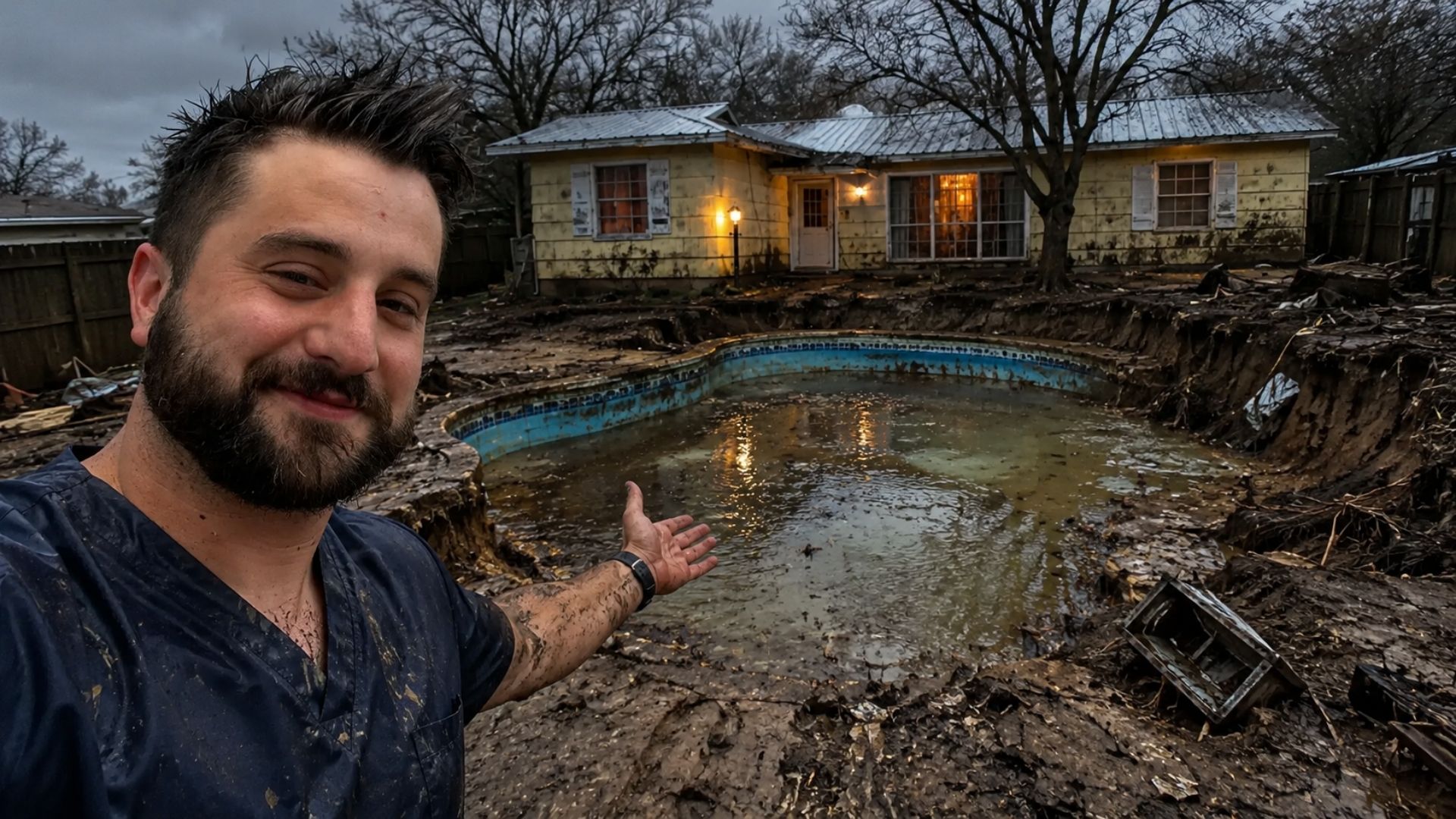
A nurse bought for 20,000 a 1955 house abandoned by a hoarder in Texas, and months later, rain revealed a buried pool in the backyard valued at $160,000, which he restored himself for about $10,000, a fraction of the cost of building a new one.
-
The United Kingdom is transforming dog feces left on trails into gas to light a streetlamp through an unlikely and surprising project that shows how even one of the most rejected wastes in cities can generate energy.


- Afghanistan
- Chad
- Equatorial Guinea
- Eritrea
- Haiti
- Iran
- Libya
- Myanmar
- Congo Republic
- Somalia
- Sudan
- Yemen
This selection, according to Trump, is based on the lack of cooperation from these nations with international security screening standards, as well as their refusal to accept back their own citizens deported from the U.S.
Partial Restrictions for Cuba, Venezuela, and Others
Another seven countries will face partial restrictions, directly impacting specific types of visas and validity periods:
- Burundi
- Cuba
- Laos
- Sierra Leone
- Togo
- Turkmenistan
- Venezuela
In the case of Cuba, Trump reiterated accusations that the country is “a sponsor of terrorism” and criticized the lack of cooperation from Cuban authorities regarding security data sharing. Regarding Venezuela, the U.S. government claims that the country faces such profound institutional collapse that it cannot even guarantee the issuance of valid passports or verify the criminal backgrounds of its citizens.
“The country needs to ensure that foreigners admitted or already present in the United States do not have hostile attitudes towards its citizens, culture, government, institutions, or founding principles,” Trump stated while justifying the decision.
Context and Reactions
The new measure directly refers to the controversial immigration policy implemented by Trump in 2017, known as the “Muslim Ban”, which barred citizens from predominantly Muslim countries. At the time, the executive order generated massive protests at U.S. airports and was widely criticized by civil rights organizations, such as the ACLU, which has again voiced opposition to the new decree.
According to immigration law experts consulted by CNN, the new order may face legal challenges in the coming days. Organizations like the Southern Poverty Law Center argue that the measures “have a clear ideological bias” and that, in practice, they further hinder family reunification and the granting of asylum.
However, the decree was well received by more conservative factions of the American electorate. According to a recent survey by Morning Consult, over 60% of Republican voters support tougher border restrictions and agree with the idea of barring countries considered “high risk.”
Expected Impacts and International Criticisms
The practical impact of the new measure will still be assessed, but organizations such as the International Rescue Committee warn that refugees from conflict zones like Sudan and Yemen may be the most affected. The U.N. also issued a preliminary statement expressing “concern over the worsening vulnerability of thousands of displaced individuals seeking international protection.”
In Latin America, the measure has also provoked reactions. Cuban Foreign Minister Bruno Rodríguez Parrilla described the decree as “another unacceptable electoral maneuver that violates the rights of peoples,” while Venezuelan Vice President Delcy Rodríguez stated that “the United States continues to impose sanctions disguised as migration diplomacy.”
With this new decree, Donald Trump signals that he intends to repeat the tough tone of his first term should he return to the White House in 2025. The measure puts pressure not only on conflict-ridden countries or those with authoritarian regimes but also reignites the debate on the political use of immigration as a campaign tool.
The international community and American courts are expected to respond to the new policy in the coming weeks — and the impact on diplomatic relations and global mobility will be inevitable.