Portuguese
  Spanish


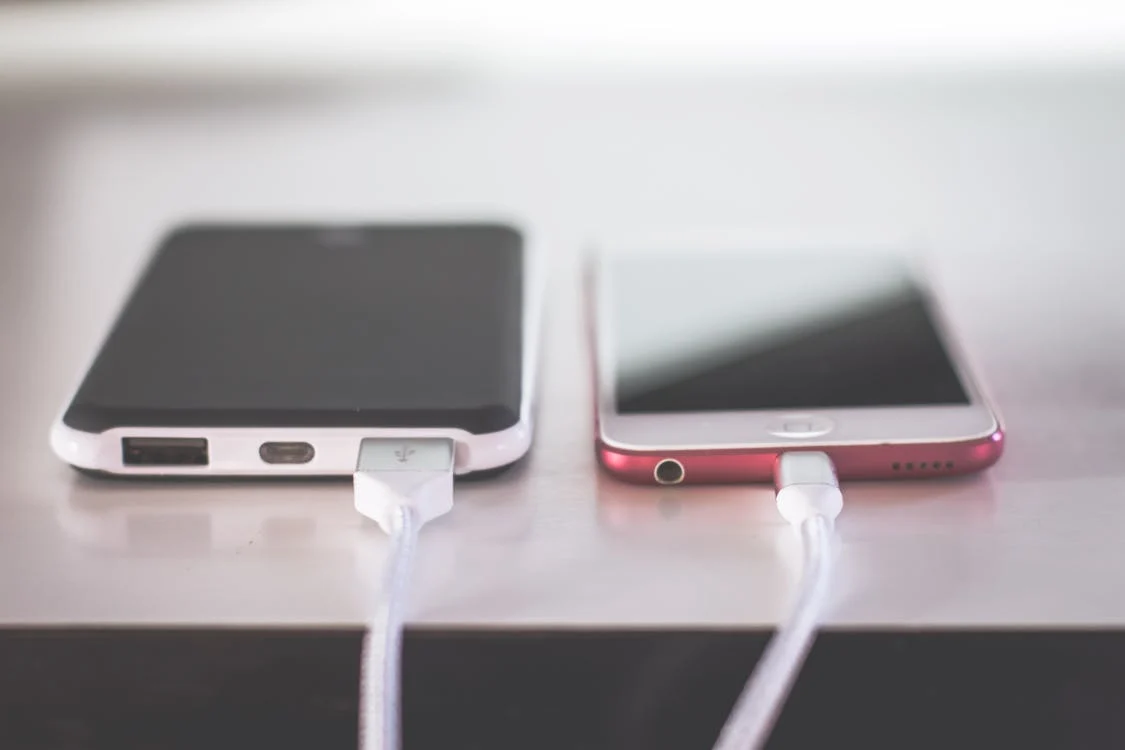

See 7 Tips To Identify Fake Chargers And Avoid Damage To Your Mobile. Be Careful With Pirated Products That Compromise The Safety Of The Device And Can Even Cause Accidents
Although they may seem like a cheaper option, counterfeit chargers can cause problems in a short time. Sold as if they were original, these accessories are mostly made with low-quality materials. This makes them fragile, lightweight, and even dangerous.
Those who buy such a charger are often trying to save money. But the cheap can end up being expensive. Below are seven simple ways to identify a fake charger and avoid damage to your mobile.
1. Packaging and Low-Quality Printing
The first tip is right on the packaging. Many counterfeit chargers come only in simple plastic, with no finishing. Some are even closed with staples.
-
How to Prevent Brown Recluse Spider Bites: Common Hiding Spots and Free Tips to Reduce Risks

-
Natto: The Unusual Japanese Superfood Gaining Popularity on Social Media and Driving Record Exports
-
Brazilian Mayor Goes Undercover as Homeless for 24 Hours to Assess Public Services

-
15-Year-Old Entrepreneur Malu Lira Publishes 20 Children’s Books on Financial Education, Earns $500,000, and Expands Her Project to the Amazon Rainforest




Even when trying to copy the original packaging, counterfeiters miss details. You can notice spelling mistakes, printing flaws, and differences in the material used. All of this is a sign of counterfeiting.
2. Very Low Prices
Another important alert is the price. An original charger rarely costs only R$ 20. If a product advertised as original has this value, the chance of it being fake is very high.
For those who cannot afford a brand model, the ideal is to look for options from well-known brands that offer good products at accessible prices.
3. The Charger Overheats Too Much
Every electronic device heats up a bit. However, if the charger overheats significantly, it may be counterfeit. This happens because it is made with poor-quality parts that cannot withstand the flow of energy properly. This overheating decreases the lifespan of the charger and can even cause fires in more severe cases.
4. Light And Fragile Product
Another clear sign of counterfeiting is the weight. Fake chargers tend to be lighter and more fragile than originals. Some counterfeit models even put pieces of metal inside to appear heavier.
But this can be even worse. If that metal comes loose and touches the internal circuits, it can cause a short circuit.
5. Weak Power And Slow Charging
Counterfeit chargers do not deliver the power they promise. Even if the seller claims it has “turbo charging,” that usually doesn’t happen.
Since they are made with inferior parts, these chargers cannot maintain the same performance. Moreover, as already mentioned, a very low price is a strong indicator of counterfeiting.
6. Strange Noises During Use
Another sign of trouble is noise. New chargers, especially original ones, should not make any sounds.
If you hear buzzing or popping sounds while using the charger, be suspicious. This may indicate internal failures. If the product is under warranty, it’s worth contacting the manufacturer for a replacement.
7. Serial Number And Anatel Seal
Last but not least is the serial number. Brands like Samsung, for example, print a numerical sequence on the body of the charger. This number comes with other technical information.
Additionally, original chargers have the Anatel seal, which shows that the product has passed tests and has been approved for use in Brazil. This seal is one of the safest ways to ensure that the accessory is trustworthy.
One Detail Can Prevent Great Losses
Identifying a fake charger may seem complicated at first, but paying attention to these seven points makes all the difference.
A simple detail, like poorly made packaging or a strange noise, can be the necessary alert to avoid greater losses. More importantly, it can prevent safety risks to the user.
With information from Tech Tudo.