






 Portuguese
  Spanish
  2 min of reading
  0 comments


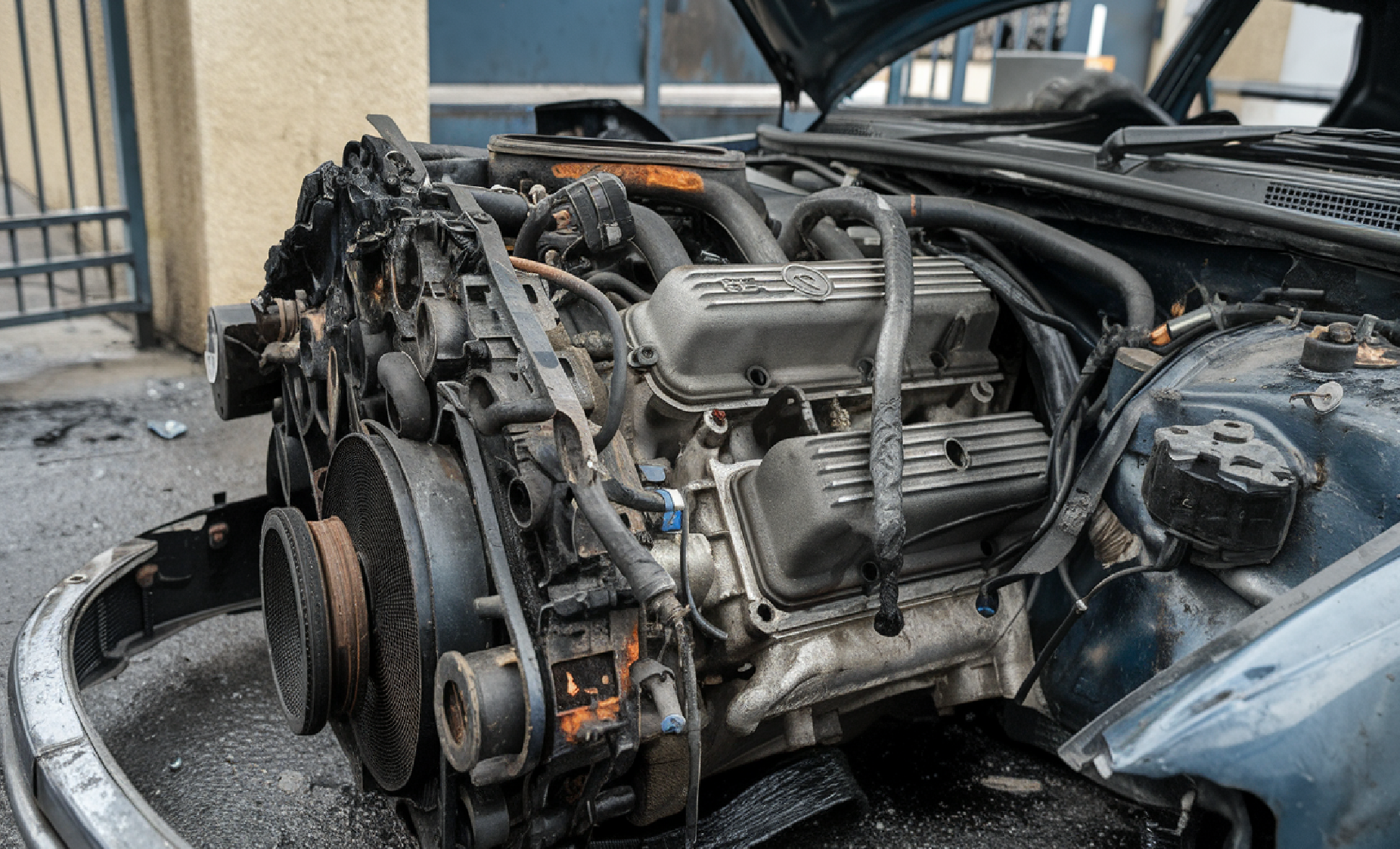
Do You Know When It’s Time to Change the Oil in Your Car? Check Below the Main Tips on How Not to Neglect the Engine and Not Take Risks
Keeping the engine oil in good condition is essential for efficient operation and the longevity of your vehicle. Ignoring this basic care can result in serious engine damage, as well as high repair costs. In this article, you will learn how to identify the right moment to change the oil, the conditions that influence its durability, and the warning signs to act quickly, according to CNN.
Why Is Oil Change So Important?
Engine oil has the primary function of lubricating internal moving parts, reducing friction and preventing overheating. Moreover, it helps keep the engine clean by removing accumulated residues during operation. Over time, oil loses its properties due to exposure to heat, pressure, and dirt particles. When this happens, it fails to perform its functions, compromising the engine’s performance.


According to automotive mechanics expert Daniel Monteiro, oil change is part of the vehicle’s preventive maintenance and should be done according to the owner’s manual. Most modern cars with Otto cycle engines, for example, require oil changes every 10,000 km or as recommended by the manufacturer.
-
Uber Faces Shareholder Scrutiny as Board Accused of Ignoring Safety, Compliance, and Harassment Warnings Amid Over 3,500 U.S. Lawsuits

-
Ferrari’s First Electric Car Divides Fans, Priced at $630,000, Amid Concerns Over Limited Editions; Brand Clarifies It’s Not Just for Future Perks
-
BYD Dolphin Mini: The Electric Car That Defies Depreciation, Losing Only 3.58% in a Year and Becoming the Best-Selling Retail Model Under $22,000

-
Electric Car JAC E-JS4 Loses $19,000 in Value in One Year, Leading Record Depreciation of Used Cars in Brazil Due to Expensive Battery and New Models


Severe Conditions: What Are They and How Do They Impact Oil Change?
Not all vehicles face the same usage conditions. Some factors may require oil changes to be performed at shorter intervals. These considerations are severe conditions:
- Heavy traffic, with many stops and frequent starts.
- Short trips, typically 8 to 10 km per day, that prevent the engine from reaching optimal temperature.
- Driving in contaminated environments or with excess dirt.
If your vehicle is in one of these situations, it is essential to review the owner’s manual and adjust maintenance intervals. Consulting a specialist is also a good practice to ensure your engine is always well-lubricated.
Signs That It Is Time to Change the Oil
Even following the manufacturer’s manual, some signs may indicate that the oil needs to be replaced sooner than expected. Be attentive to these symptoms:
- Engine Noises: Unusual noises may indicate that internal parts are not being lubricated properly.
- Sludge Formation: Old oil can create deposits that hinder engine operation.
- Decreased Power: If the engine seems weaker or struggles, it may be time to change the oil.
These signs are alarming and indicate the need to act quickly to avoid permanent damage.





-

1 person reacted to this.