





 Portuguese
  English
  Spanish
  3 min of reading


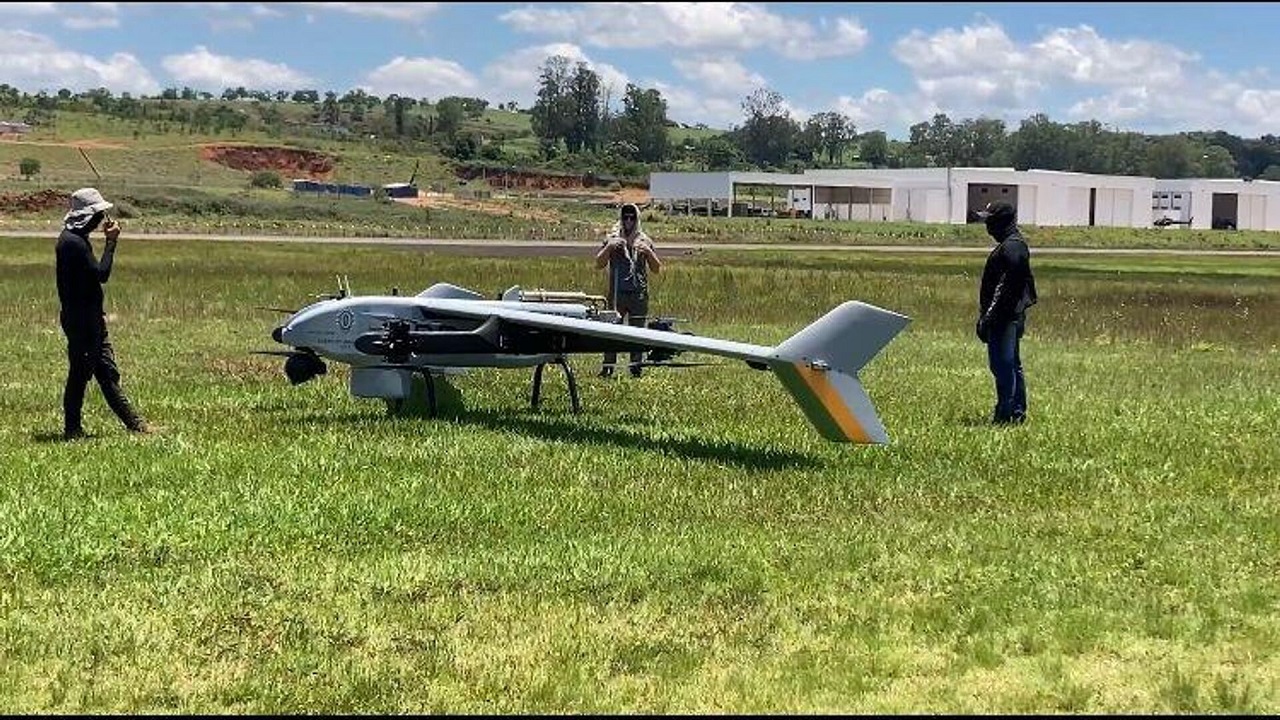
The Brazilian Army Received the First Remote Piloted Aircraft System (SARP) Category 2. The Technology Will Contribute Significantly to Border Zone Operations.
The Brazilian Army received, on December 12, the first Remote Piloted Aircraft System (SARP) Category 2, with the presence of the Southeast Military Commander, Army General Tomás Miguel Miné Ribeiro Paiva, and the Logistics Commander, Army General Eduardo Antonio Fernandes. The delivery event took place at the hangar of the 2nd Aviation Battalion of the Army (BAvEX), where the three aircraft were also showcased.
SARP Can Reach Speeds of 110 Km/h With 10 Hours of Range
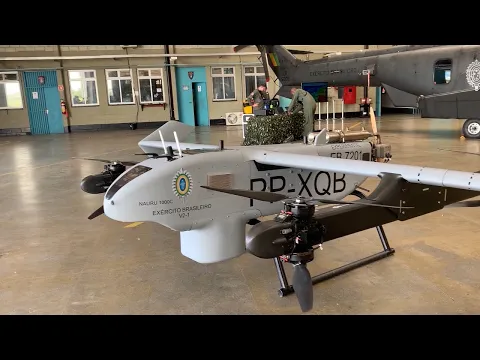

According to General Tomás, this technology is elevating the Brazilian Army to a new level in terms of technology, target acquisition, and intelligence. This will significantly aid operations in the border zone, urban environments, and also in common operations.
Until the signing of the registration and effective receipt of the SARP, several stages were conducted. The entire process began in 2019, a lengthy procedure following all the purchasing regulations set out by the Brazilian Army. All requirements were met, followed by monitoring, and currently, this process is concluding with the receipt of the technology, which was the last phase of the purchase.
-
Cheapest cars for the elderly in Brazil: proposal foresees a high discount and can reduce the price of new vehicles by up to 25% for those aged 60 or older; see the criteria and what is needed to move forward

-
Brazilian government plans to invest 2.1 billion reais in Gripen fighters in 2026 while Saab presents in Sweden the world’s first two-seat Gripen F developed from a specific requirement of the Brazilian Air Force.
-
R$ 130 billion stalled: the environmental licensing that paralyzes Brazil while Paraguay steals our investments

-
Gaúcho earns R$ 304 million by renting 3,800 forklifts across Brazil: Toyota distributor transforms rental into an industry engine, replaces sales with 36 to 60-month contracts, and bets on autonomous machines to grow beyond the South in the national market.



According to Brigadier General Anysio Luiz Crespo Alves Negrão, Director of Aviation Material for the Army, from now on, it will be possible to state that SARP 2 belongs to the Brazilian Army. The Aircraft has a wingspan of about 8 meters, a length of 3 meters, and can reach a speed of up to 110 km/h, with a range of 10 hours of operations, whether during the day or at night.
The technology features a powerful camera system, with 8 motors and independent batteries, enabling automatic vertical takeoffs and landings, further facilitating takeoff and landing in critical and confined environments.
Learn How the Brazilian Army Aircraft Is Controlled
With a maximum takeoff weight of 150 kg, the Nauru 1000C conducts various types of aerial monitoring, designed for missions requiring operations in diverse scenarios, capable of enduring fog or light rain, for example.
All control of the “Drones” is done through a container for operation and transportation of the SARP, with ground control stations, monitors, and cameras that display, in real time, the data and information that the technology is capturing.
According to General Fernandes, it is a technological boost that will provide the best operational capability to the Brazilian Army, which will be in a position to improve logistics in the future.
Brazilian Army Receives €900 Million Investment
In November, the Brazilian Army finalized the selection of a new fleet of armored vehicles with cannons and signed, on December 5, the contract for approximately €900 million for the purchase of 98 new vehicles.
The armored vehicles acquired are the Centauro II from the Italian consortium Oto Melara (CIO), formed by Leonardo and Iveco and are 8×8 armored vehicles, larger than the current 6×6 Guaranis used by the Army since the beginning of the government, which are also produced by Iveco.
The 30-ton models feature 120 mm cannons and will be used to update the generation of vehicles in rapid action infantry units. The Centauro II armored vehicle surpassed two competitors, the ST1-BR vehicle from Chinese Norinco and the LAV700AG model produced by GDLS from North America.
It is important to highlight that in September of last year, the Brazilian Army conducted the first field tests with two prototypes of the special engineering 6×6 Guarani armored vehicle concept at the facilities of the São Paulo War Arsenal.


Be the first to react!