





 Portuguese
  English
  Spanish
  3 min of reading
  0 comments


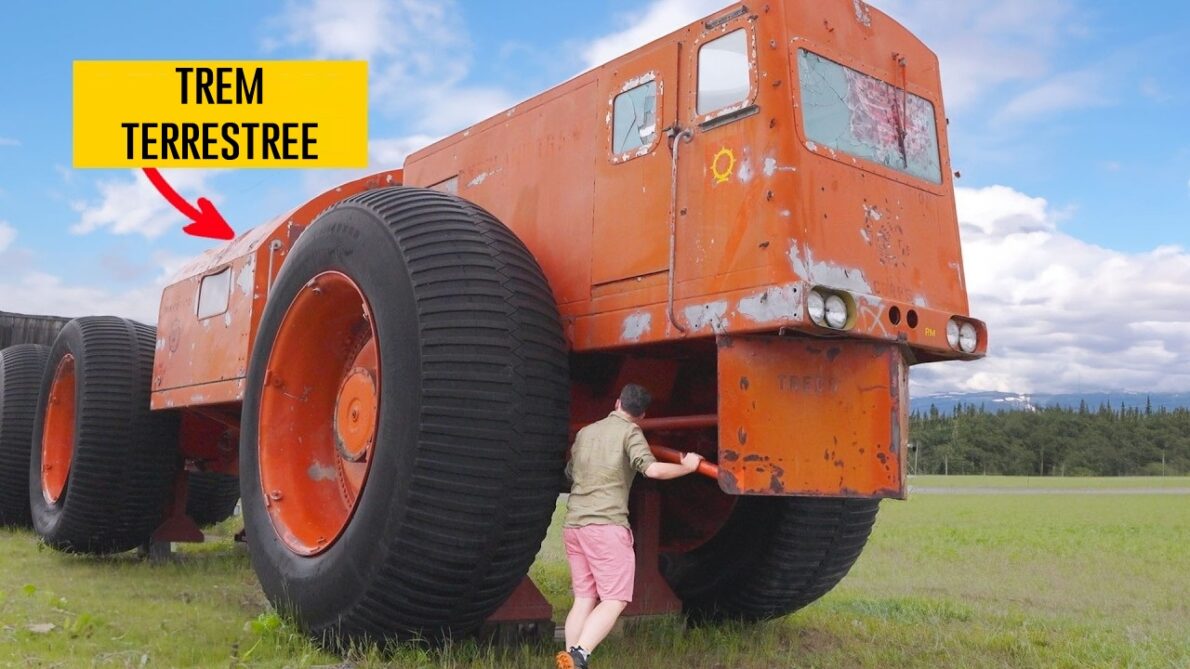
With 600 Horsepower, The Snow Train Built by The U.S. Army Was Designed to Face The Most Hostile Environments on The Planet
During the Cold War, the U.S. Army Heavily Invested in Military Innovations, Creating Technologies and Vehicles to Face The Most Extreme Challenges. Among The Most Ambitious and Peculiar Projects Was The LCC-1 Sno-Train, A Ground Train Powered by A Diesel Engine Designed to Operate in Frozen Terrains Like The Arctic and Greenland, Strategic Regions Due to The Rising Tensions Between Global Powers at The Time.
The Emergence of The Sno-Train
In The 1950s, The U.S. Army Sought Ways to Transport Large Cargo Through Uninhabitable Terrains Without Infrastructure.
To This End, They Developed Experimental Vehicles, Including The Longest Train Ever Built to Replenish Nuclear Silos and The Impressive LCC-1 Sno-Train.
-
Government releases new shoulder function on roads: side lane gains solar plants capable of supplying 100% of road operation using tolls, roofs, and technical areas without altering the asphalt in Kiato, Greece

-
Capable of hitting vessels hundreds of kilometers away at supersonic speed and drastically reducing enemy reaction time, the BrahMos arrives in Vietnam under an agreement that includes pilot training by India and aims to create a deterrent arc in front of the disputed islands with China.
-
Influencer reports alleged UFO sighting in Paraná, goes viral with millions of views, and says he lives between fascination and fear after mysterious phenomenon

-
Sedentary lifestyle advances silently in Brazil while millions ignore one of the biggest risk factors for cancer and other serious diseases.



This Ground Train Was Created to Operate Under Extreme Conditions, Capable of Traversing Terrains Where Roads Were Scarce or Nonexistent.
The LCC-1, Short for Logistics Cargo Carrier Number One, Was Developed in Partnership with The Heavy Equipment Manufacturer LeTourneau, Based in Texas.
Very Powerful Diesel Engine
The Train Featured A Front Power Unit, Housing Both A Heated Cabin for Operators and A 600-Horsepower Diesel Engine.
This Power Allowed The Vehicle to Tow Three Carriages Loaded with Up to 45 Tons of Military Equipment, Making It An Innovative Solution for The Logisticalistics Needs of The Army.
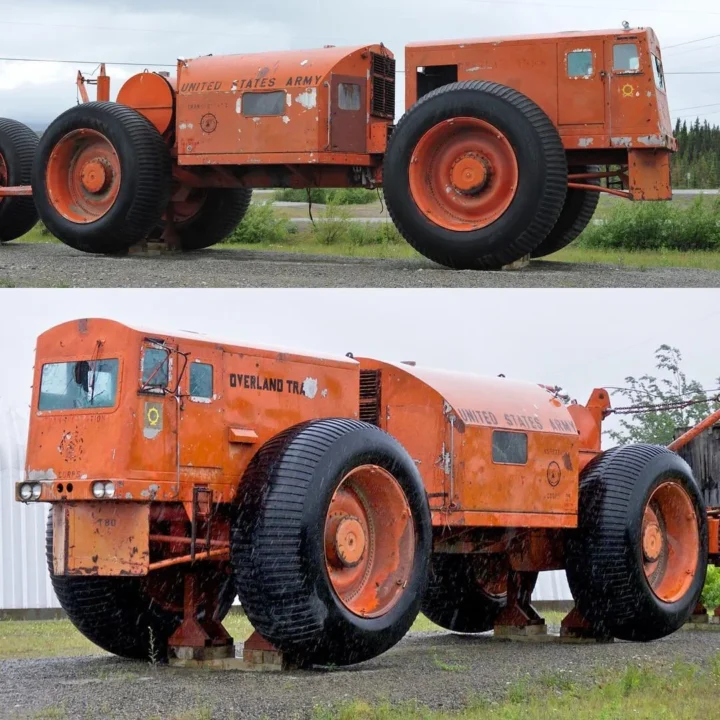
The Majesty of The Sno-Train
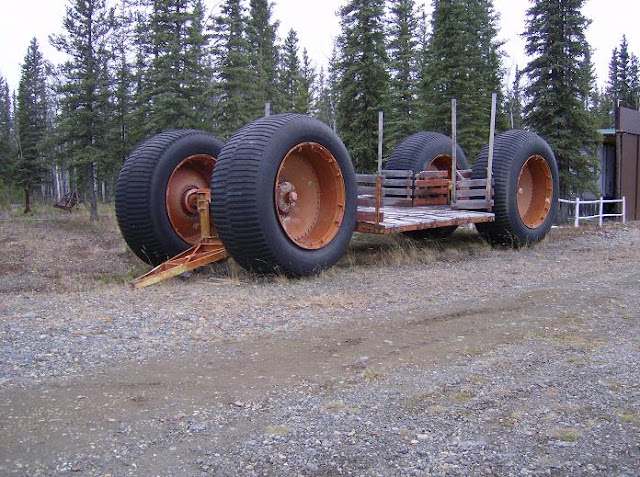
The LCC-1 Sno-Train Stood Out Not Only for Its Cargo Capacity but Also for Its Enormous Wheels, Designed to Handle Frozen Terrains. Equipped with Firestone 120x48x68 Tires, Its Wheels Measured An Impressive 3 Meters in Height and 1.2 Meters in Width. These Gigantic Dimensions Were Essential to Distribute The Weight of The Train on The Frozen Surfaces of Greenland, Where It Was First Deployed in 1956.


The YouTube Channel of Calum, Known for Rediscovering Forgotten Machines, Brought The LCC-1 Back to The Public’s Attention. In His Videos, Calum Explores The History and Impact of This Vehicle, Revealing How It Stood Out Among Other Experimental Ground Trains of Its Time.
Operations of The American Ground Train
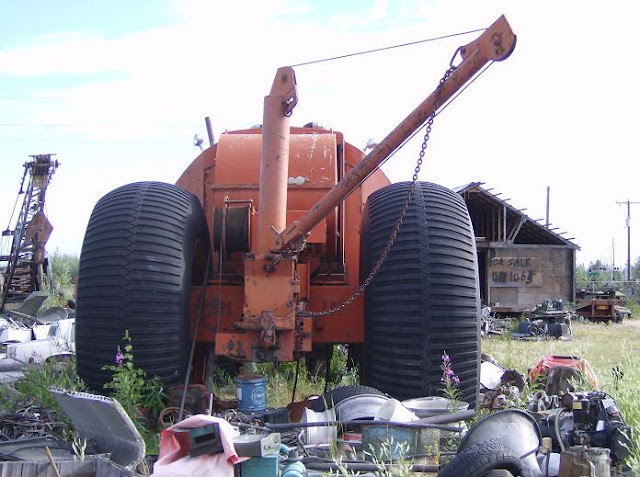
The LCC-1 Sno-Train Was Designed to Face The Challenges of Extreme Environments and, During Its Time in Service, Proved to Be A Crucial Asset in Military Logistics. It Was Widely Used to Transport Heavy Loads to Camp Century, A Research Base in The Arctic Operated by The U.S. Until 1967.
Additionally, The Sno-Train Played An Important Role in Replenishing The Early Warning Line, A Network of Radar Detectors That Monitored Soviet Military Activity in Canada and The U.S. During The Cold War.
The Vehicle Gained Fame for Its Rescue and Salvage Capabilities in Adverse Situations. In A Notable Case, The Sno-Train Was Essential in Taking A Child with Appendicitis to A Hospital Amid A Storm, Demonstrating Its Robustness and Ability to Access Remote Locations. Furthermore, It Was Called to Rescue Another Ground Train That Had Become Stuck in The Arctic in The Early 1960s, Solidifying Its Reputation as One of The Most Efficient Vehicles of Its Time.
The End of An Era
Despite Its Success in Challenging Missions, The LCC-1 Sno-Train Was Retired From Service in 1962. Today, The Remnants of This Impressive Vehicle Can Be Seen at The Yukon Transportation Museum in Whitehorse, Canada.
The Location Preserves Not Only The Train But Also Some of Its Trailers and The Giant Tires That Allowed It to Navigate Through Frozen Terrain.
Although The Sno-Train Has Been Decommissioned, Its Story Continues to Inspire, Symbolizing The Ingenuity and Determination of The U.S. Armed Forces to Overcome The Most Extreme Obstacles During One of The Most Tense Periods in World History.






Be the first to react!