Portuguese
  Spanish


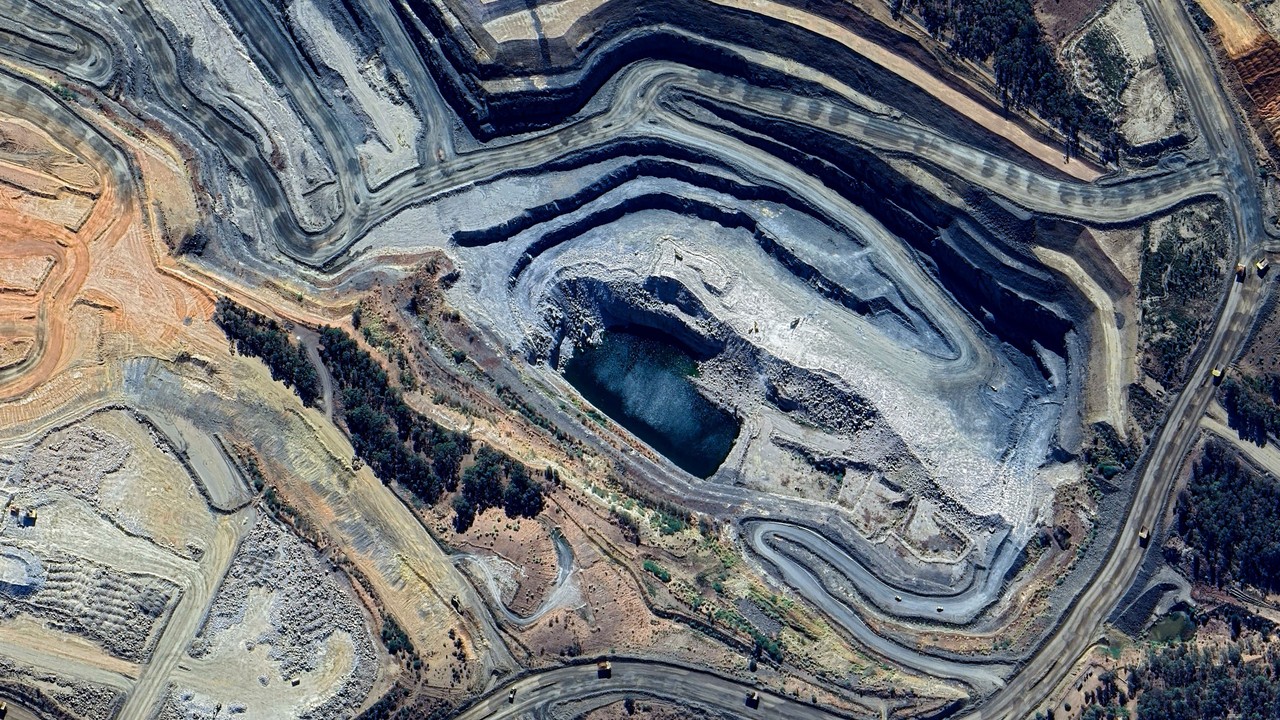

In the heart of Africa, the world’s largest lithium mine begins operations this month and promises to produce 130,000 tons per year of the metal that has become the invisible fuel of the battery era, from cell phones to electric cars.
There is a metal that silently moves the modern world, and it is increasingly sought after. Lithium is the heart of the batteries that power cell phones, laptops, and especially the electric cars that promise to replace gasoline-powered ones. Now, the race for this resource has gained a new giant, and it is in an unexpected place, in the middle of Africa.
The mining company Zijin is set to start operations in June at a lithium mine in the Democratic Republic of Congo, designed to be one of the largest on the planet. The capacity is impressive, about 130,000 tons of lithium carbonate equivalent per year when fully operational. It’s a volume capable of changing the balance of a market that, until recently, depended on very few countries.
The metal that moves the century
To understand the significance of this news, one must understand the role that lithium has come to play in our lives. It is lightweight, stores a lot of energy, and recharges well, making it irreplaceable in modern batteries. Without lithium, there are no mass-produced electric cars, nor the promise of storing clean energy from the sun and wind for use when the sky darkens. It is, in practice, a pillar of the energy transition.
-
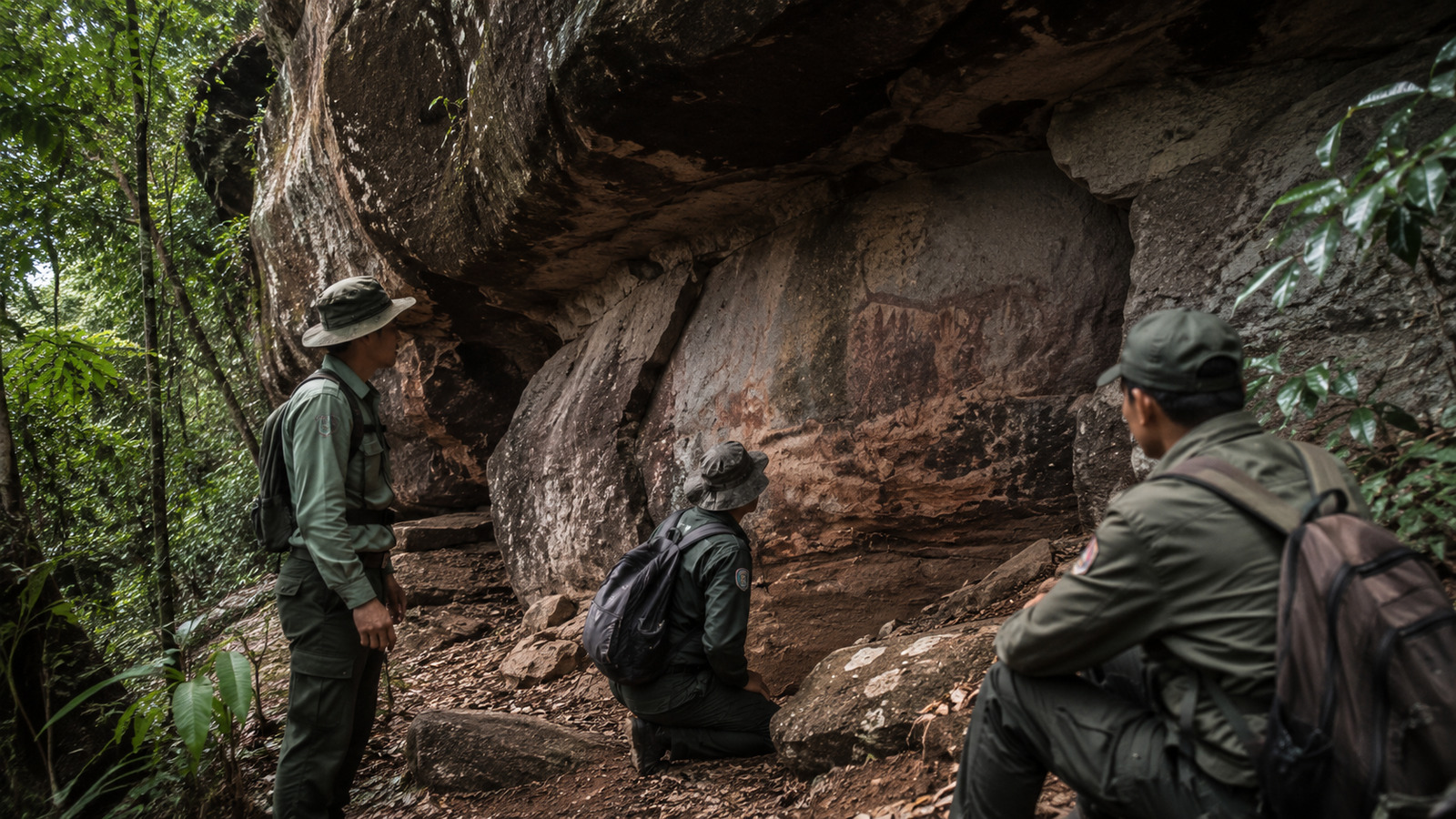
Anti-poaching patrol in Thailand accidentally discovers hidden cave with 2,000-year-old petroglyphs, geometric engravings, and mysterious three-finger patterns on sandstone walls.

-
Russia Deploys Largest Nuclear Icebreaker in Arctic Capable of Breaking Through Three-Meter-Thick Ice

-
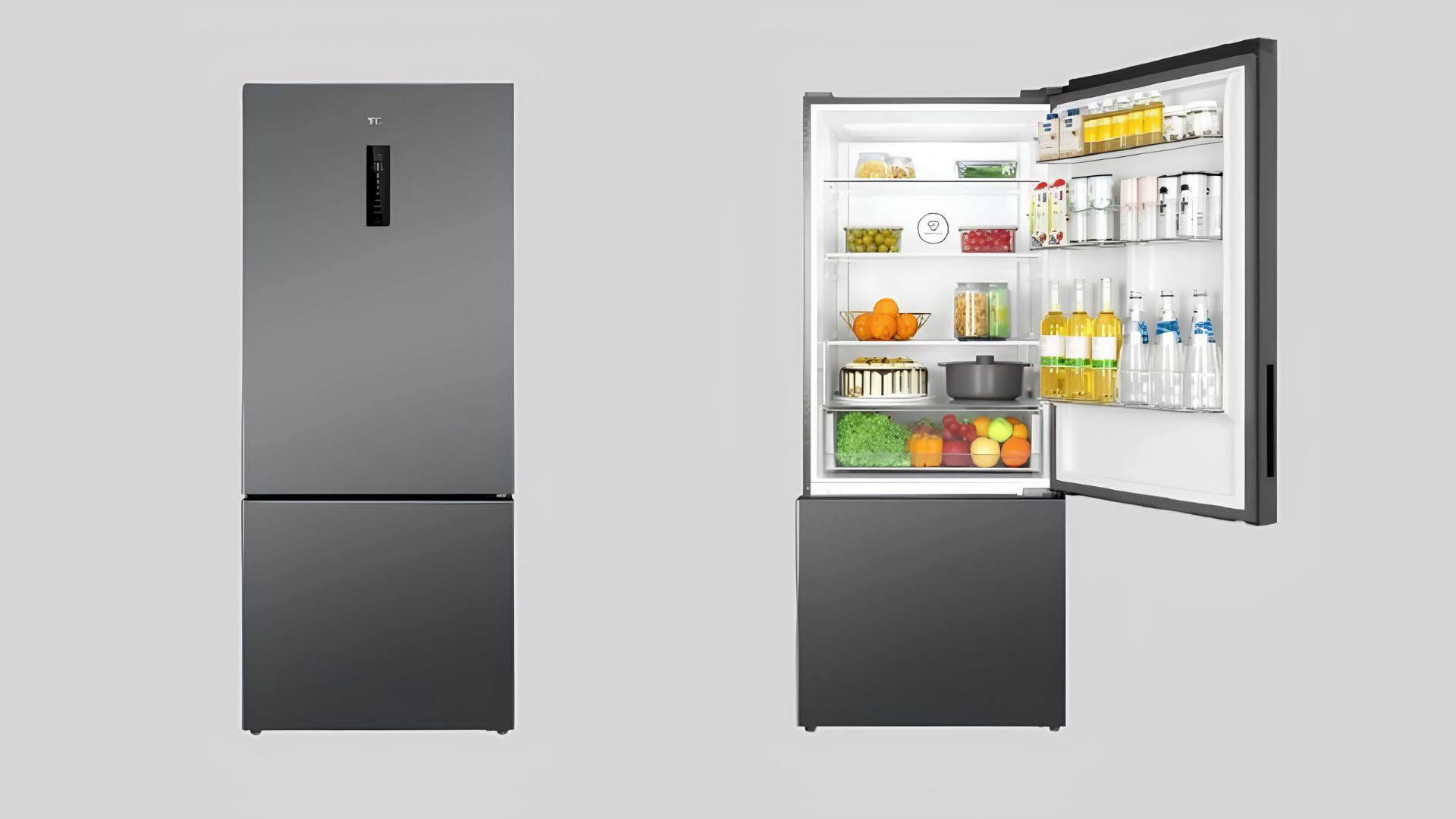
TCL Launches Energy-Efficient Refrigerator in Brazil, Promising 70% Less Consumption Than Competitors

-
Project Daedalus: The 190-Meter Spacecraft Aiming to Reach Another Star with Nuclear Fusion and a 50-Year Fuel Supply



I confess I find it fascinating how a metal that few knew has become as strategic as oil once was. Countries fight for reserves, companies invest billions, and geopolitics reorganizes around who controls production. Each new giant mine, like this one in Congo, is a piece in this puzzle that will define who leads the economy in the coming decades.

Africa enters the game
For a long time, lithium production was concentrated in a few places, such as Australia, Chile, and China. The entry of a giant mine in Africa changes this map and gives the continent a central role in a chain worth fortunes. For Congo, a country with enormous mineral wealth and at the same time great challenges, having a project of this magnitude is quite an opportunity.
But entering this game also brings responsibilities. Giant mines drive economies, create jobs, and attract investment, but they must deal with environmental and social impacts that cannot be ignored. How Congo balances the wealth of lithium with care for its population and territory will be closely watched by the entire world.
There is a geopolitical detail that makes this mine even more relevant. Behind the project is a major Chinese mining company, and this is no coincidence. China has been securing access to strategic mineral deposits worldwide to sustain its dominance in battery manufacturing. By anchoring a giant lithium operation in the heart of Africa, it reinforces a supply network that stretches from the African mine to the Asian factory. It’s the kind of silent move that, combined with many others, defines who controls the raw material of the future, in a game that happens far from the spotlight but weighs heavily on the planet’s economic balance.

Why so many people want lithium
The demand for lithium continues to grow, and the reason is simple: the world is electrifying rapidly. Every electric car that rolls off a factory line carries a battery packed with the metal, and millions of them hit the streets each year. Add to this the enormous battery banks used to stabilize clean energy grids, and it’s clear why demand has skyrocketed.
This global hunger explains the race for new mines like the one in Congo. Those who secure lithium supply secure a place in the industry of the future, and those left out risk depending on others to manufacture cars, electronics, and energy systems. It’s a silent dispute, but with enormous consequences for the economy of entire nations.
It’s worth understanding why lithium is so difficult to replace. For now, no other technology can combine lightness, energy storage capacity, and durability in a package viable for mass production. Scientists are searching for alternatives, such as sodium or other material batteries, but we are still far from something that can dethrone lithium in the short term. This means that, for at least one or two decades, the world will remain dependent on this metal, and each new giant mine becomes a precious piece in a puzzle on which the very speed of the transition to clean energy depends.

The white gold of our time
I imagine how, in a few decades, we will look at this race for lithium as we look today at the race for oil in the last century. The metal dubbed white gold is silently reorganizing the global economy, beneath our screens and cars, without most people realizing how much they depend on it.
The giant mine in Congo is another chapter in this story, showing that the geography of power is changing. Africa, rich in minerals and for a long time a supporting player, is now fully entering the race for the resource that will fuel the future. Those who dominate this chain will hold an important piece of the world to come, powered by batteries and clean energy.
Did you imagine that a metal hidden in your batteries would be reorganizing the entire world’s economy?