Portuguese
  Spanish


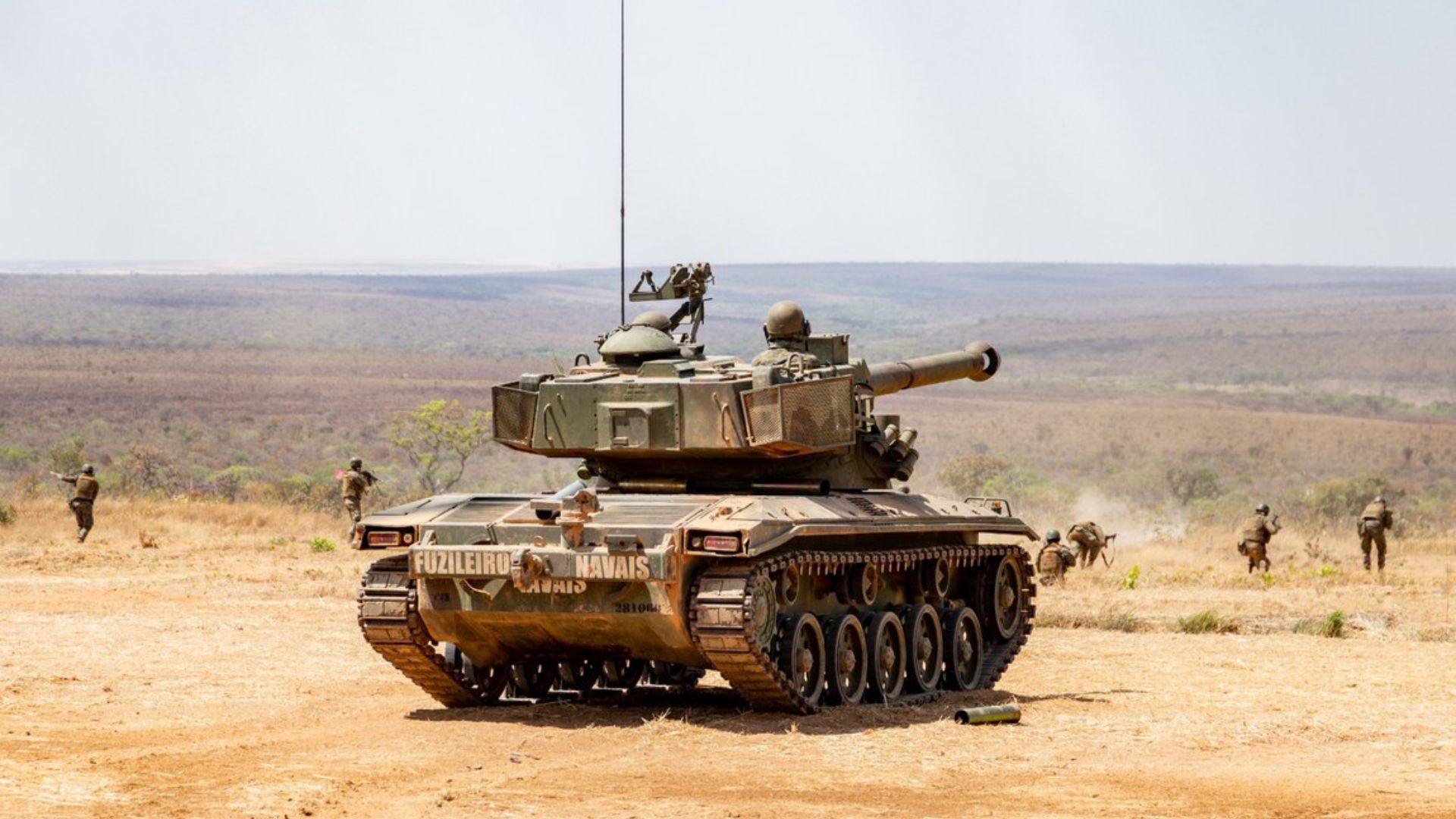

President’s Statement on Ammunition Shortage in Brazilian Armed Forces Contrasts with Historic Increase in Global Military Spending and Rekindles Debate on Defense, Deterrence, and National Sovereignty
At a time marked by the largest wave of global rearmament since the end of the Cold War, President Luiz Inácio Lula da Silva’s statement that the Brazilian Armed Forces are facing ammunition shortages — summarized by the expression “lack of bullets for training” — placed Brazil on a path contrary to the major military powers of the planet. His remarks exposed operational limitations, reignited criticism of the Defense budget model, and raised concerns about the country’s deterrent capability in an increasingly unstable international scenario.
The World Is Armoring Up, Brazil Is Cutting Operational Margin
Recent data from the Stockholm International Peace Research Institute (SIPRI) shows that global military spending reached historic highs, driven by the war in Ukraine, tensions in the Middle East, and disputes in the Indo-Pacific. NATO countries expanded arsenals, increased ammunition stocks, and reinforced defense industrial chains. Brazil, on the other hand, faces internal restrictions that limit basic investments.
Ammunition Became a Strategic Asset After Prolonged Conflicts
The war in Ukraine revealed that modern conflicts consume massive volumes of conventional ammunition at an accelerated pace. Artillery, rockets, and small caliber munitions have started to be treated as strategic assets, prompting governments to replenish stocks and expand factories. In this context, the public admission of shortages draws the attention of international analysts.
-
Chinese Nuclear Submarine Launches Simulated Warhead Missile in Pacific, Heightening Regional Tensions Amid Naval Drills with Russia Near Qingdao; New Zealand and Papua New Guinea Warn of Persistent Chinese Military Presence

-
Ayatollah Ali Khamenei’s Funeral Draws 15 to 20 Million in Tehran, Calls for Revenge Against Trump After Joint Israel-U.S. Attack

-
U.S. Establishes Permanent Embassy in Jerusalem, Reigniting International Debate Over Israel’s Capital
-
The world has nearly 12,000 nuclear warheads, with the majority held by the United States and Russia; see the figures for China, France, and the United Kingdom.


Constraining Budget and Compromised Readiness
Experts point out that more than 80% of Brazil’s Defense budget is absorbed by mandatory expenses, such as active personnel, retirees, and pensions. This drastically reduces the capacity for investment in logistics, training, and stocks. Lula’s comments were interpreted as a public acknowledgment of this structural imbalance.
Deterrence Goes Beyond Diplomatic Discourse
Although Brazil does not face imminent direct threats, defense analysts remind that deterrence is built with real capability, not just diplomacy. Adequate stocks, an active industry, and operational readiness act as silent signals of strength. The absence of these elements may reduce the country’s strategic weight in international negotiations.
External Repercussions and Strategic Image
The statement also raised alarms about the external perception of Brazil. In a geopolitical environment marked by increasing rivalries, public signals of military fragility tend to be closely watched by global powers and regional actors, especially in sensitive areas like the Amazon, South Atlantic, and extensive borders.
Response on Social Media Exposed Troop Discomfort with Political Discourse on Military Capability
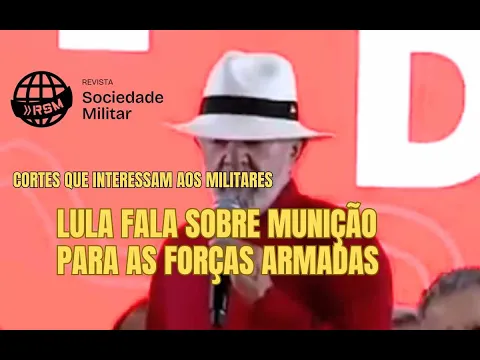

During a speech at an MST event, President Luiz Inácio Lula da Silva stated that the Brazilian Armed Forces “often do not have money even to buy bullets for training,” a declaration that generated immediate reactions among active military personnel, reservists, and their families. On social media and in closed groups, his comments were seen by some in the troops as an unnecessary exposure of the Armed Forces and as a factor of institutional devaluation.
Military personnel claimed that training continues to occur within the existing budget planning, albeit with resource rationalization, and criticized the generalization made by the president. There were also concerns about the impact of the statement on the country’s external image, with comments suggesting that his remarks could convey a perception of military fragility.
Although some military members acknowledged that budget restrictions are a historical reality, most reactions highlighted discomfort with the political tone and context of the statement. The episode underscored the disconnect between the government’s rhetoric and the internal perception within the troops, amplifying the debate on recognition, budget, and the role of the Armed Forces in the current political landscape.
If the world is preparing for prolonged and high-intensity conflicts, can Brazil afford to publicly admit that it does not have enough ammunition to defend itself?
Source: Revista Oeste