






 Portuguese
  Spanish


São Paulo Industry Faces Critical Bottleneck with Shortage of Qualified Professionals. Full Employment Challenges Growth and Reveals a Silent Crisis in the Productive Sector.
The shortage of qualified labor in São Paulo, considered Brazil’s economic “engine,” has become an increasingly severe obstacle to growth in the industrial sector.
A survey released by the Federation of Industries of the State of São Paulo (Fiesp) shows that, in 80% of the state’s industrial segments, there is a shortage of workers, hindering production and expansion.
In this scenario, 77% of companies face difficulties in hiring professionals with the required skills, reflecting a reality close to full employment.
-
At 54, Brazilian Artisan Turns Textile Waste into a Successful Handbag Brand, Earning Over $6,000 Monthly

-
Brazilian Entrepreneur Sells $50,000 Monthly in Sustainable Luggage Made from Recycled Bottles, Eyes International Market
-
Brazil to Phase Out Gasoline Subsidy, Fuel Prices Set to Rise Amid National Debate

-
Brazil Aims to Boost Critical Mineral Production to 12.2% of Global Output, Targeting Battery and Tech Industries

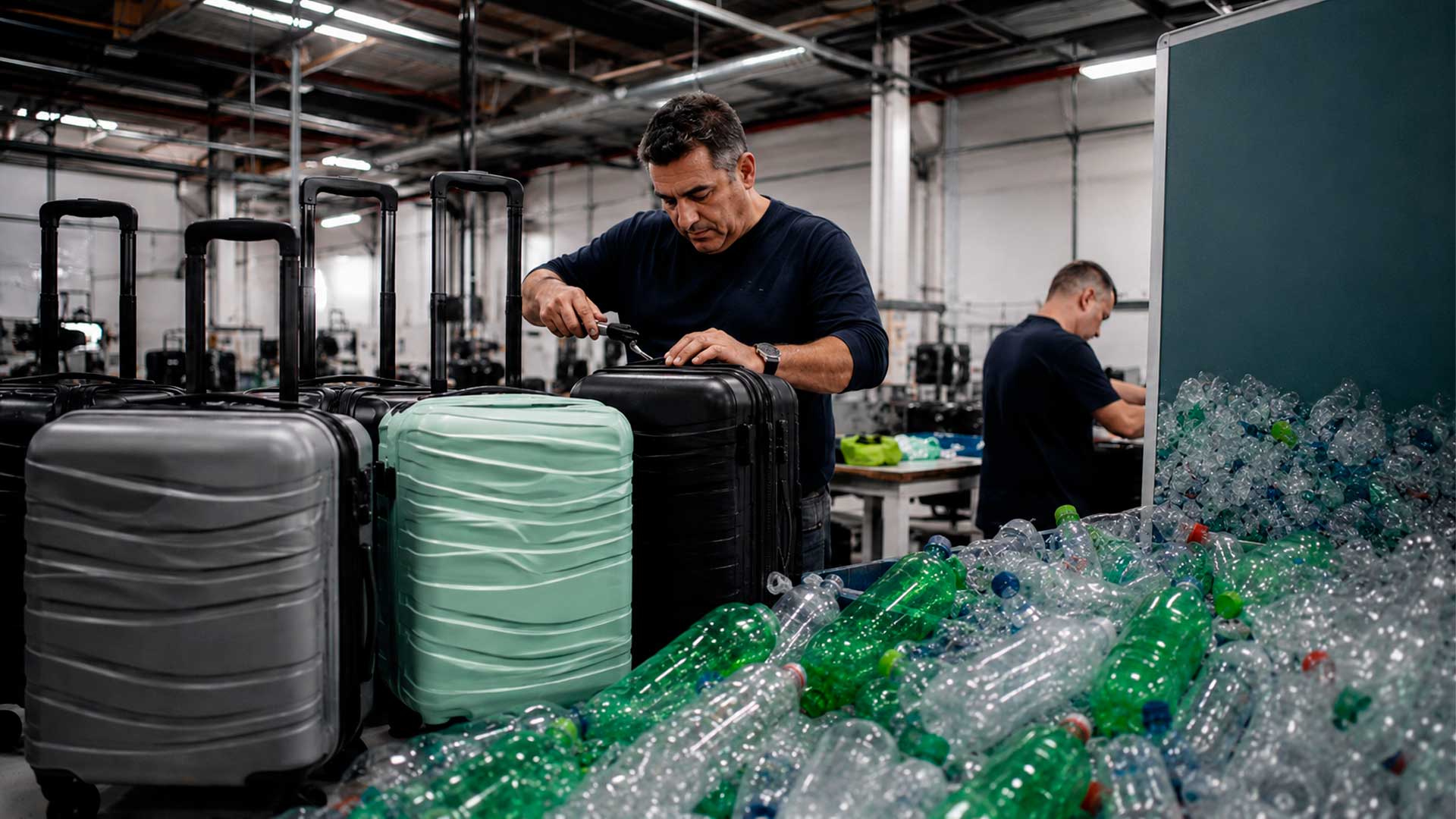


Labor Shortage and the Threat to Growth
Labor shortage is not limited to numbers: it is a tangible barrier to competitiveness.
The survey “Paths of São Paulo Industry: Labor Market,” conducted by Fiesp between March 6 and 18, reveals that the state is experiencing a moment of virtual full employment.
The resulting shortage of workers makes it more difficult to attract and retain talent, especially in the industrial sector, which directly depends on skilled labor.
Interconnected Causes and General Impact
Several factors combine to worsen the labor shortage in São Paulo: a heated market, low unemployment rates, rising informality, and a lag in technical training.
The demands of the labor market are evolving rapidly, leaving many vocational courses outdated, and the preference for work as a legal entity complicates formal hiring.
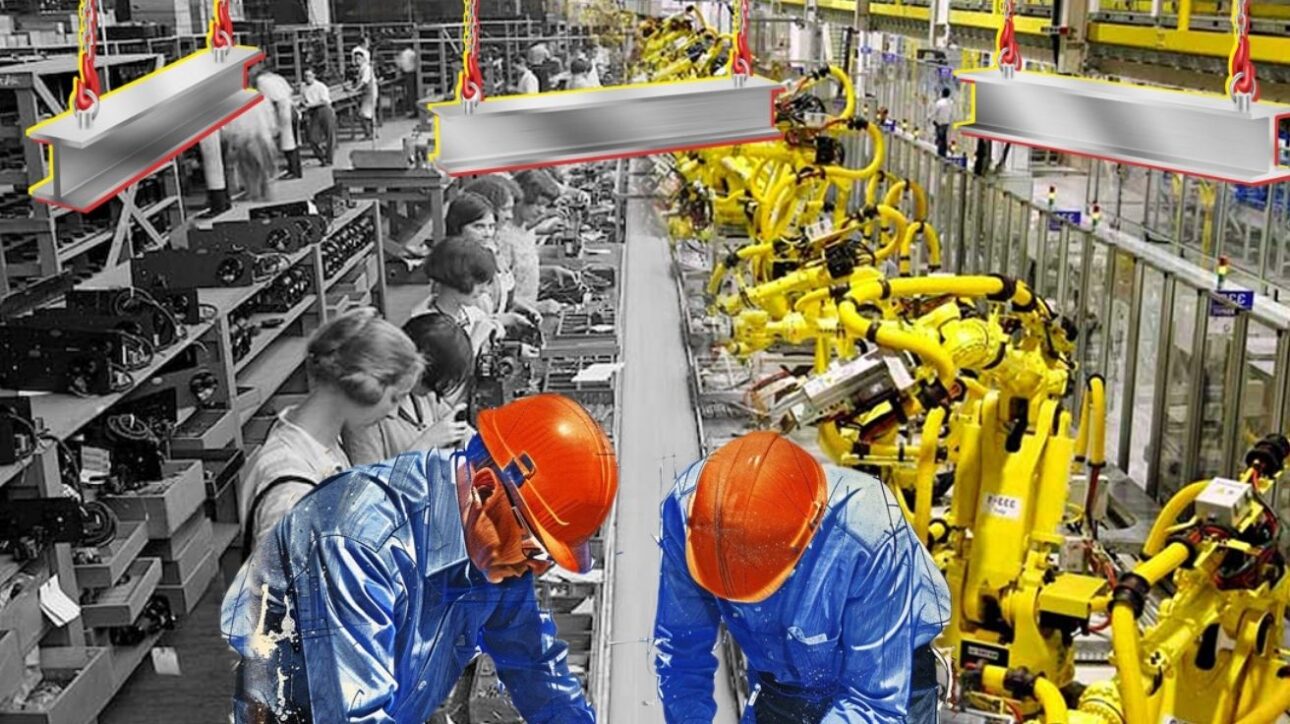
The shortage directly affects the industry.
The Mazurky Group, based in Mauá (ABC Paulista), which produces corrugated cardboard packaging, reports that its team of 128 employees is insufficient to meet the growing demand.
According to partner-director Marcel Mazurkyewistz:
“We face considerable difficulty, especially in hiring qualified labor. Technical training is essential, and today many workers are opting for the legal entity regime, which hinders effective hiring. This directly impacts our production capacity and growth.”
Young People Lead Most Affected Group
The Fiesp survey identifies that the labor shortage is more pronounced among young people aged 21 to 30, accounting for 61% of unmet demand, followed by the group aged 31 to 40, at 23.8%.
This mismatch between market needs and available training creates significant gaps, caused both by generational and cultural factors and by technological advancement.
In this context, the worker shortage reflects an imbalance: young labor seeking proper training and a market that demands more in terms of technical specialization.
Comparisons with Other States and Countries
Although the problem is more acute in São Paulo, according to data from the Institute of Applied Economic Research (IPEA), industrial regions in other states such as Minas Gerais and Rio Grande do Sul also face shortages due to educational lag and lack of investment in professional qualification.
These factors lead to the same consequence observed in the State of São Paulo: the limitation of production due to a lack of qualified professionals.
In comparison to economies such as Germany and South Korea, where technical training is recognized and structured since high school, Brazil is still slow to establish a stable path between education and the market, which exacerbates the shortage of qualified workers.
Legal Entity Regime and Informality Contribute to Shortage
A determining factor is the rise in informality.
Many professionals, including those with technical training, choose to operate as a legal entity for greater freedom or to pay fewer taxes, but this distances the worker from the guarantees, benefits, and career plans offered under the CLT (Consolidation of Labor Laws).
This choice directly impacts the availability of formal labor, worsening the labor shortage and directly affecting the industry’s competitiveness.
Moreover, the lack of attractiveness of industrial work, often marked by long hours and lower salaries compared to sectors such as technology and services, also contributes to the shortage of workers.
Ongoing Solutions and Initiatives
To ease this picture of labor shortage, some industries and entities have been seeking solutions:
Partnerships with technical schools and federal institutes: companies participate in internships, curriculum updates, and practical training aligned with the market.
Internal training and apprenticeship programs: investment in training, certifications, and development within the company.
Tax incentives and state programs: actions from the Government of São Paulo, via the Department of Economic Development, Science, Technology and Innovation, aim to promote qualification vouchers and support industrial sectors.
Experts highlight that these initiatives are still sporadic.
To effectively change the landscape, a collective and structured effort between government, industries, educational institutions, and workers is necessary.
Technical Training as a Promising Path
Expanding agreements with SENAI (National Service for Industrial Training), integrated technical training with high school education, and reinforcement in areas such as mechatronics, automation, and digital technology are seen as promising paths.
Continuing education is viewed as essential to reduce the shortage of workers, especially among young people, and to give the industrial sector the capacity to renew itself.
Labor Shortage and Its Impact on GDP and Risks to the Economy
São Paulo is responsible for about 30% of Brazil’s GDP and accounts for nearly half of national industrial production, according to IBGE data from 2024.
With the labor shortage affecting 80% of industries in the state, the risk is economic cooling and loss of global competitiveness, especially in the face of pressure for innovation, export, and digital transformation.
Does Brazil — and especially São Paulo — have enough structure and political will to transform professional training in time to prevent the labor shortage, this major industrial bottleneck, from becoming a permanent obstacle to industrial and economic development?



Queria saber onde está a escassez, o que está acontecendo é o problema da gestão de RH, não estão preparados para a tecnologia que estão usando para seleção de candidatos a vagas, tanta gente desempregada e dizem que o desemprego reduziu, onde isso? As empresas tem que reduzir as indicações de pessoas despreparadas gente, ninguém vê isso?