






 Portuguese
  Spanish


In the Željeznica river valley, near Fojnica, a quick reaction against a hydroelectric project turned into community resistance and exposed how small plants can change the lives of those who depend on water every day
A motorcyclist saw an excavator arriving at the edge of a Bosnian river, called neighbors within minutes, and initiated a mobilization that spanned more than 10 years. The scene took place in the Željeznica river valley, near Fojnica, when Robert Oroz noticed the machine on site and alerted the community.
What seemed like just the beginning of a hydroelectric project turned into a long resistance, marked by the presence of residents, local pressure, and a struggle for the preservation of the river. The information was released by Bankwatch, an environmental network that monitors international public financing.
The mobilization gained strength because it affected something very direct for those living in the valley: the water used in daily life, leisure, fishing, and rural life. In the end, five hydroelectric concessions ended up expiring and were not renewed.
-
College Dropout Turned Window Cleaner Builds $1 Million Cleaning Business with Subscription Model After 18 Years of Door-to-Door Work
-
Race for Data Centers in Brazil Intensifies Pressure on Critical Energy Resources

-
Melting Glaciers Uncover Ancient Tools, Preserved Mummies, and Strategic Minerals in the Arctic and European Mountains
-
Melting Glaciers Uncover Ancient Tools, Preserved Mummies, and Strategic Minerals in the Arctic and European Mountains

How an excavator at the river’s edge raised the community’s alert
The story began with a simple yet powerful image. Robert Oroz was riding his motorcycle through the region in 2012 when he saw an excavator near the Željeznica river. The presence of the machine indicated that a project could start in that section of the valley.
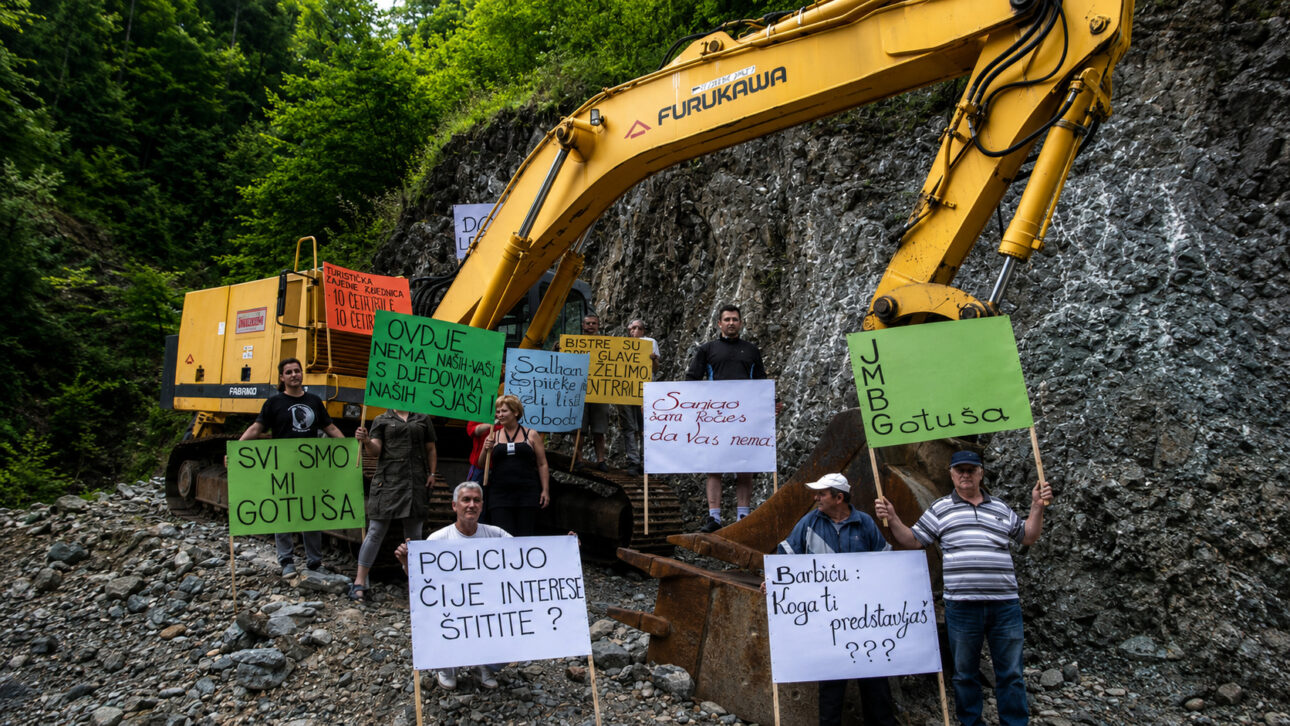
The alert was quick. Friends, neighbors, and residents organized to go to the site. The arrival of the community turned the riverbank into a point of resistance before the project could advance.
For those living near the river, the excavator was not just a machine. It represented the risk of change in a space used daily by the population. Therefore, the reaction was immediate and collective.
From that moment on, the defense of the Željeznica river stopped being an isolated concern and became a community cause against small planned hydroelectric plants in the region.
The mobilization lasted 325 days on site and kept residents attentive to the project
The presence of the residents did not end on the first day. The community maintained a vigil for 325 days to prevent the advance of the machines. The group took turns at the site, facing weariness, cold, and pressure during the period.
The vigil became a symbol of resistance. Ordinary people began to occupy a space that could become a construction site. The goal was simple: to protect the river before it was altered.
During this time, the mobilization kept the construction under public scrutiny. The constant presence of the residents also showed that the community would not accept changes to the river without resistance.
On July 11, 2013, the excavator was removed from the area. The removal of the machine marked an important victory, but the fight against the hydroelectric plants continued for many years.
Why five hydroelectric concessions expired near Fojnica
After the removal of the excavator, the resistance entered a longer phase. The residents monitored concessions, licenses, and decisions related to the planned projects in the valley.
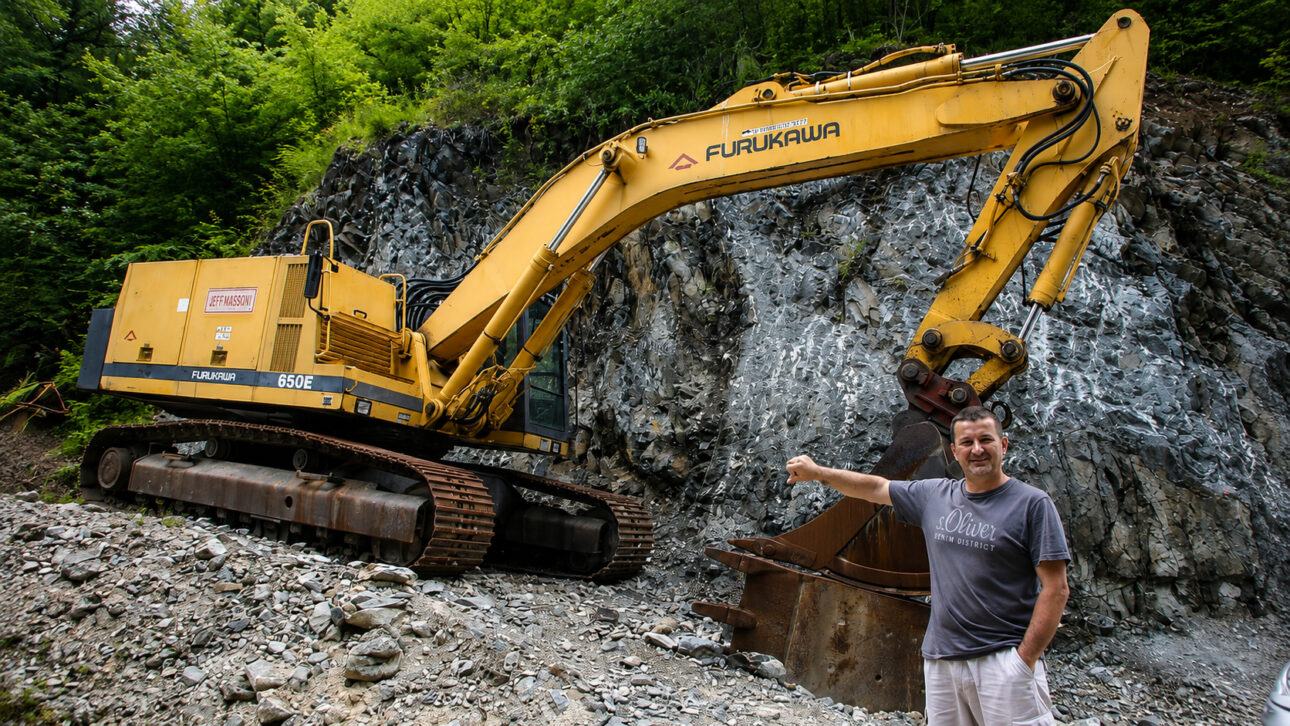
Bankwatch, an environmental network that monitors international public financing, detailed the central points of the campaign. The concessions for the hydroelectric plants Luke, Bakovići, Željeznica 1, Željeznica 3, and Žica expired and were not renewed.
This outcome had a concrete impact on the community. With the five concessions expired, the residents felt more secure that those projects would not advance in the same way over the river.
The story draws attention because it started from a casual encounter. A resident saw the machine, informed others, and the community turned that moment into long-term resistance.
What are small diversion hydroelectric plants and why do they concern those living near rivers
Small diversion hydroelectric plants are projects that use the force of water to generate energy. In general, part of the river’s water is channeled to equipment that produces electricity and then returns to the natural course.
For those looking from afar, the word small may seem to indicate low impact. For those living nearby, the concern is different. Even a smaller project can alter the stretch of the river used by the community.
In the case of the Željeznica valley, water was part of local life. The river was used for fishing, bathing, and irrigation. Therefore, any change in the water flow could affect the routine of many families.
The dispute was not limited to energy. It involved water use, territory protection, and the community’s right to defend their own river.
Why rural communities in the Balkans became a front of resistance against dams
The struggle in the Željeznica valley is part of a larger scenario in the Balkans. In several rural areas, residents began to mobilize against hydroelectric projects on rivers important to local life.
In these communities, the river is not just a natural resource. It is part of the routine, the food, the work, and the memory of families. When a project arrives, the impact is felt closely.
The resistance also shows the difference between a project seen on paper and a project seen by the population. On paper, the project may seem technical. By the river, it arrives as a machine, a change in the environment, and a fear of loss.
For this reason, the case of Bosnia gained strength. It shows how a small community can react when they feel an essential river is at risk.
A scene of a few minutes turned into a battle of more than 10 years
The case began with a motorcyclist, an excavator, and an alert given at the right moment. From there, the community organized, occupied the site, and maintained a resistance that lasted more than 10 years.
The removal of the machine in 2013 and the expiration of the five concessions gave the mobilization a result hard to ignore. The project that seemed ready to advance encountered a community willing to stay.
In the end, the story of the Željeznica river shows that major environmental disputes do not always start with speeches or complex structures. Sometimes, they start when someone sees a machine by the water and decides to alert the neighbors.
If a river used by a community is at risk because of a project, who should have more say in the decision: the residents who depend on it every day or those who see the site only as a project? Leave your opinion and share this story.


Hydroelectric power does not alter the river significantly. Niagara falls is the biggest waterfall on the planet and has power generation facilities about a mile upstream. This is just locals wanting to stop progress that would almost certainly benefit them, and the article never even bothers to explain what the project was meant to accomplish. Did this community action prevent the building of a hospital because there is no power source to run it?
The residents should be asked whether or not they would support such an undertaking. That should be first and foremost. If they are okay with it, then things can progress.