Portuguese
  Spanish


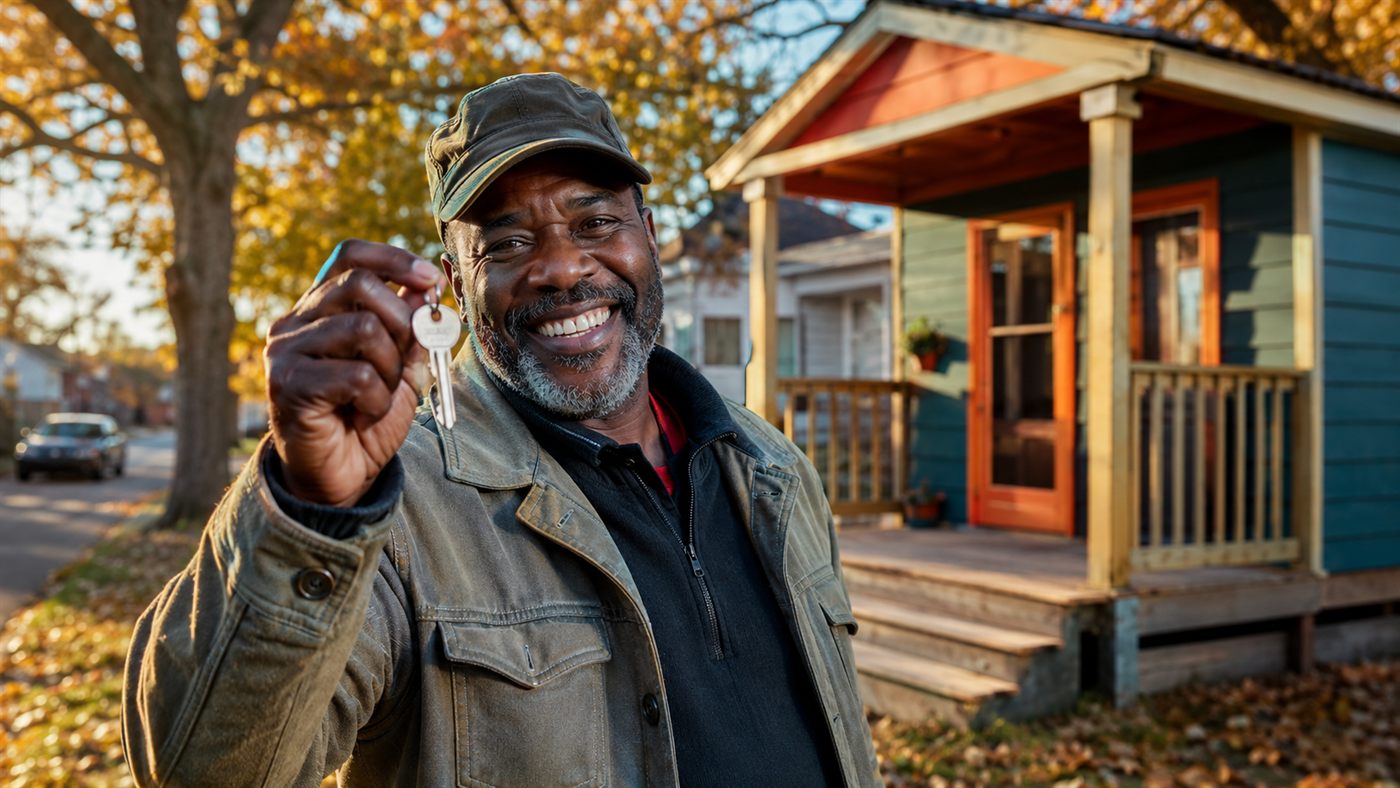
The social rent for homeless people in Alagoas provides housing of up to R$ 800.00, a house with a kit, and weekly support for those trying to restart with dignity outside shelters.
The social rent of up to R$ 800.00 has become Alagoas’ bet to help homeless people leave the sidewalk and enter a house with basic structure to restart.
The information was released by the Government of Alagoas, the official body of the state administration of Alagoas. The December 2025 measure creates the New Home, New Life Program, with rented housing, a kit, and weekly support from a multidisciplinary team.
The proposal draws attention because it is not limited to opening more shelter vacancies. The idea is to offer a equipped house, constant support, and paths to autonomy, especially for those living in extreme poverty and social vulnerability.
-
Orphaned Youth Turns Dismissed Idea into Global Prestige with Innovative Wristwatch

-
English Skills Boost Career Opportunities in the Oil and Gas Industry

-
Brazil Secures Second Place at WorldSkills 2024 in Lyon, with 64 Young Professionals and 8 Medals, Including Gold from a Rio de Janeiro Hairdresser

-
3,000 Military Personnel from 10 Countries, Including US and Chinese Marines, Train Together in Brazil’s Savanna: Operation Formosa Becomes Largest Naval Ground Exercise Before First Cancellation Since 1988



How the social rent of up to R$ 800.00 works for those living on the streets
The New Home, New Life Program creates the Housing Assistance, which allows the State to guarantee housing through social rent. The maximum amount provided for this support is R$ 800.00.
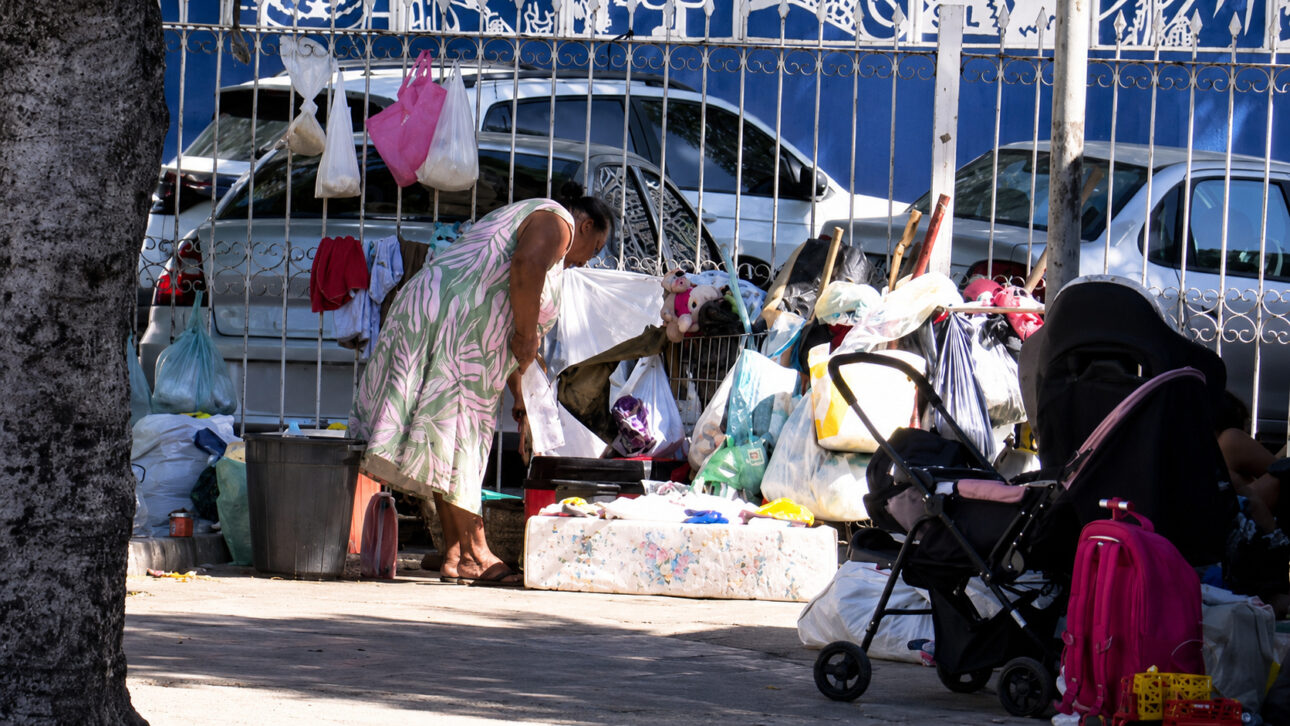
In practice, the benefit should help homeless people live in rented houses or apartments. These properties will be delivered with a kit, so that the person has the minimum conditions to stay in the new space.
This changes the starting point of the restart. Instead of just leaving the street and relying on a collective shelter, the beneficiary will have an address and a routine more similar to that of a common house.
A house equipped with a linen set can be the detail that transforms the move-in
An empty house still requires expenses for basic items. For someone who was on the streets, this cost can prevent them from staying in the home right from the first days.
Therefore, the provision of a house with a linen set carries significant weight within the program. It reduces the gap between receiving a home and actually being able to live in it.
The linen set does not solve all problems, but it helps the person start with a little more security. This initial support can make a difference for those who need to rebuild their routine, rest, hygiene, and personal organization.
Weekly monitoring tries to prevent the program from becoming just rent payment
The most sensitive point of the program is the weekly monitoring. A multidisciplinary team should monitor the beneficiaries to help in the adaptation process to the new home.
This monitoring involves support for completing studies, professional qualification, and job market placement. The goal is for the person not to rely solely on social rent indefinitely.
The statement from the Secretary of State for Violence Prevention, Ricardo Dória, summarizes this intention: “We are offering housing, technical support, and pathways for these people to achieve autonomy and new opportunities.”
This section shows that the proposal does not treat housing as the sole end. The house functions as a beginning, but the restart depends on support, income, study, work, and the presence of public power.
Census with 2,265 people showed the dimension of street life in Alagoas
The program was planned based on the 1st State Census of the Homeless Population, which interviewed 2,265 people in the capital and the interior.
The Government of Alagoas, the official body of the Alagoas state administration, provided the numbers and key points of the measure. The survey was supported by the National Movement of Homeless People.
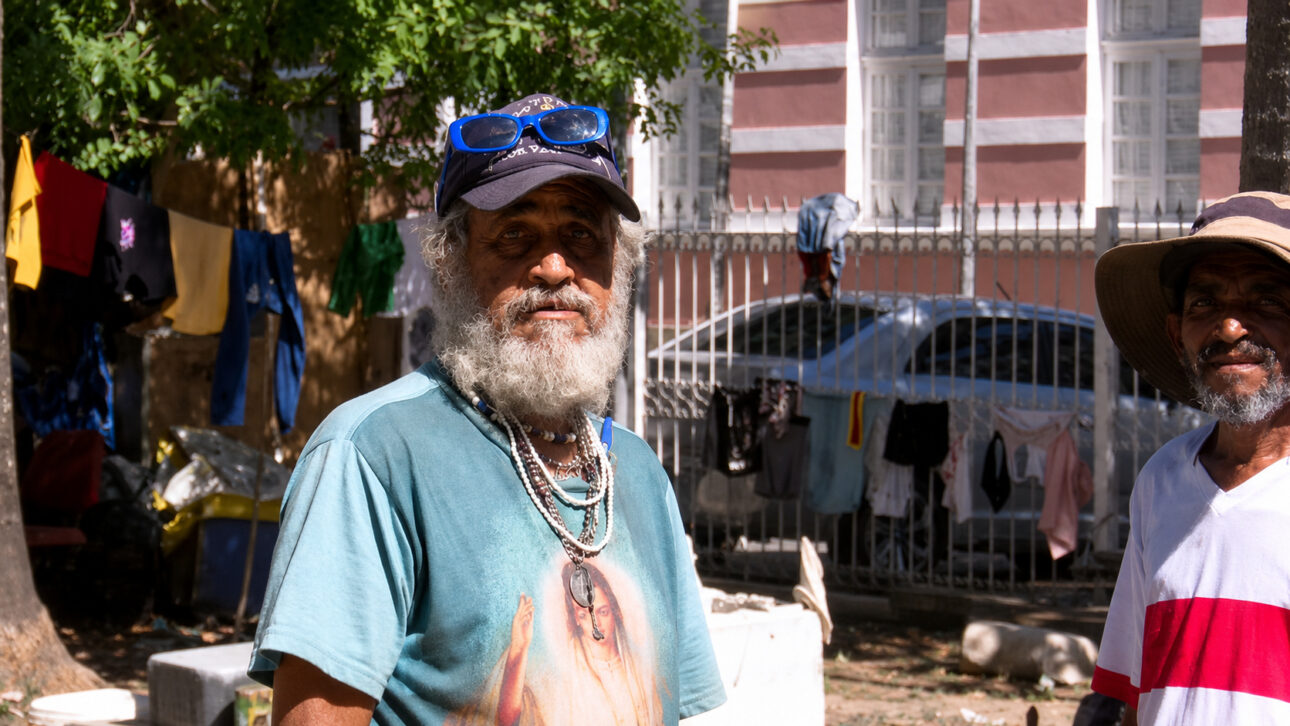
This census helps to show that the situation cannot be treated merely as an isolated case. When the State identifies who is on the streets, it becomes easier to organize housing, care, and follow-up.
New Home Assistance also provides for return to the city of origin
In addition to Housing Assistance, the program creates the New Home Assistance. This part serves homeless people in Alagoas who wish to return to their city of origin.
In these cases, transportation and food are provided. The State should also contact the CRAS of the city of origin, which is the Social Assistance Reference Center.
This care is important because returning home without support can leave the person helpless again. The proposal tries to ensure support upon arrival and social reintegration.
The challenge is to transform a delivered key into a rebuilt life
Social rent addresses an urgency, but it is not enough on its own. The person needs to be able to stay in the housing, reorganize their life, and build conditions to proceed with more autonomy.
Therefore, the strongest points of the New Home, New Life Program are in the combination of housing, household items, and weekly support. The house opens the door, but the support helps to keep that door open.
The measure places Alagoas in a growing discussion in Brazil: how to get people off the streets without relying solely on overcrowded shelters or temporary solutions.
The amount of R$ 800.00 draws attention, but the greater impact is in the attempt to transform social rent into a real restart, with an equipped house and support for those who need to rebuild their own life.
Do you believe that a house with household items and weekly support can change more lives than just opening new shelters? Leave your opinion in the comments and share this discussion.