Portuguese
  Spanish


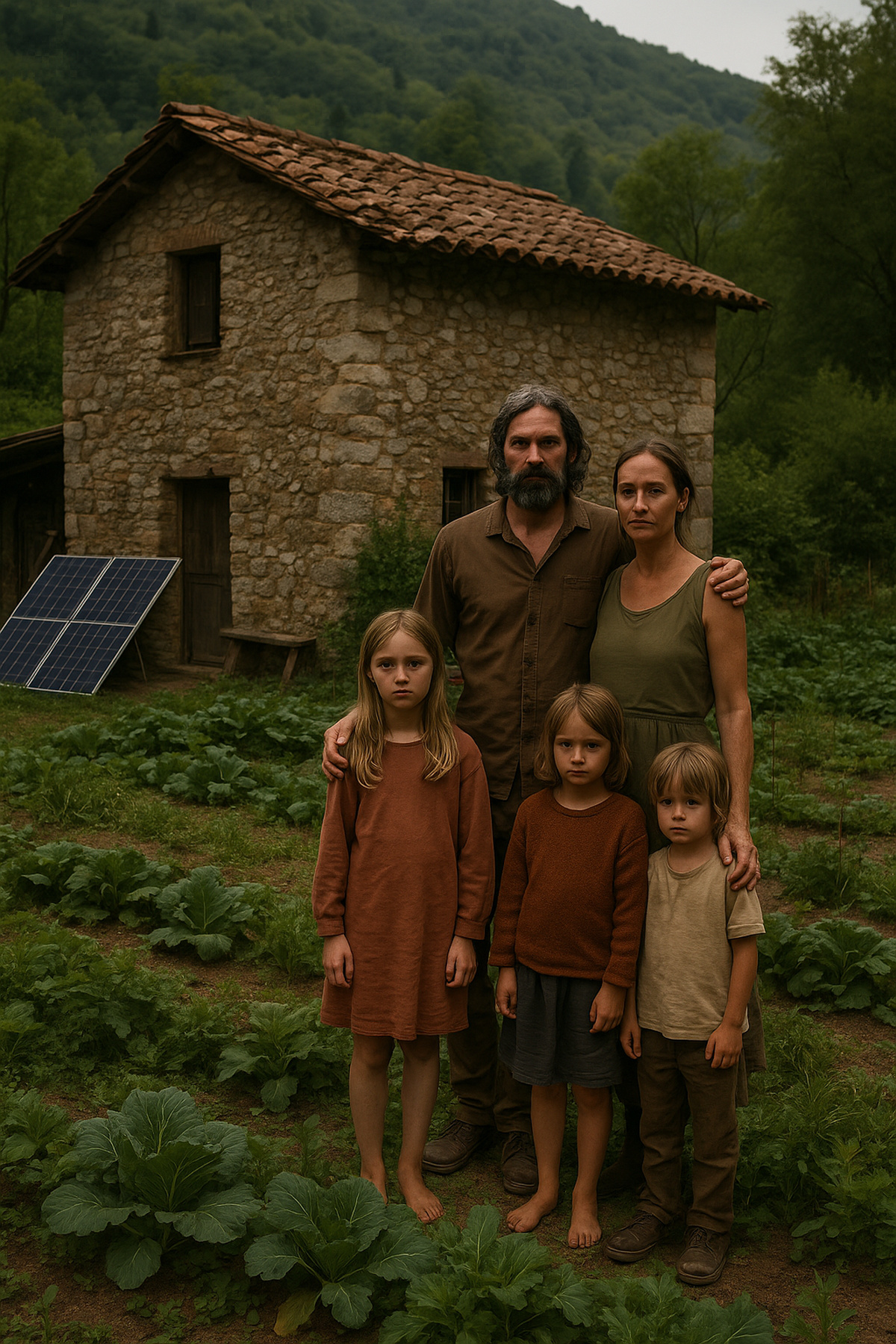


The Removal of Three Children in Palmoli Reignites the Debate Over Family Freedom, Child Safety, and Alternative Rural Lifestyles
A court decision made in November in Italy exposed a growing conflict between families seeking self-sufficiency and authorities advocating strict child protection standards. The measure came after an assessment that a remote house in Abruzzo posed significant risks to the children living there.
Family Loses Custody After Social Services Investigation
Australian and British family had been living since 2021 in a remote area of Palmoli, where they sought energy and food self-sufficiency. They relied on solar energy, well water, and a vegetable garden, symbolizing a complete break from urban life. However, the isolation and conditions considered inadequate prompted a state intervention.
The case gained traction in the fall of 2024, when all five were hospitalized for accidental mushroom poisoning, which therefore caught the attention of social services. According to Corriere della Sera, a technical report classified the house as “in ruins” and “inadequate for minors.” Thus, authorities expanded their investigations.
-
How to Prevent Brown Recluse Spider Bites: Common Hiding Spots and Free Tips to Reduce Risks

-
Natto: The Unusual Japanese Superfood Gaining Popularity on Social Media and Driving Record Exports
-
Brazilian Mayor Goes Undercover as Homeless for 24 Hours to Assess Public Services

-
15-Year-Old Entrepreneur Malu Lira Publishes 20 Children’s Books on Financial Education, Earns $500,000, and Expands Her Project to the Amazon Rainforest


The allegations included lack of education, absence of pediatric care, and almost total isolation, which therefore raised legal concerns. In November, the court removed parental rights and placed the children in a shelter, allowing the mother to remain with them during the process.
Decision Sparks National Mobilization and Exposes Social Polarization
The measure triggered strong political and social reactions in Italy, as more than 150,000 people signed petitions calling for the return of the children to their parents. Additionally, political leaders and judicial associations denounced institutional pressure and criticized the handling of the case. The episode thus transformed into a national debate about the limits of state intervention.
The family argued that they lived self-sufficiently, but the state contended that the conditions were incompatible with child safety, which intensified the polarization.
Self-Sufficiency Gains Momentum and Sparks Global Interest
The self-sufficient lifestyle is growing in Europe and other countries, as many families seek greater autonomy, less urban dependency, and direct contact with nature. Social media amplifies this movement, showcasing rural routines, converted trailers, and home gardens.
This choice, however, is not limited to alternative groups, as it attracts engineers, remote workers, and families facing high urban costs. While some reject state authority, others simply seek simplicity and sustainability. The Italian case thus shows that disconnecting from the grid does not mean disconnecting from the law.
Family Freedom and Child Protection Remain in Conflict
Italy has shown that it will intervene when it identifies risks to minors, which broadens the debate over how far family freedom goes. The Palmoli case highlights tensions that are likely to grow, especially in regions where rural movements gain strength. Thus, the discussion around self-sufficiency and state responsibility is likely to remain at the center of social debate.
How will societies balance in the future the quest for family autonomy with the protection of children in alternative living environments?