Portuguese
  Spanish


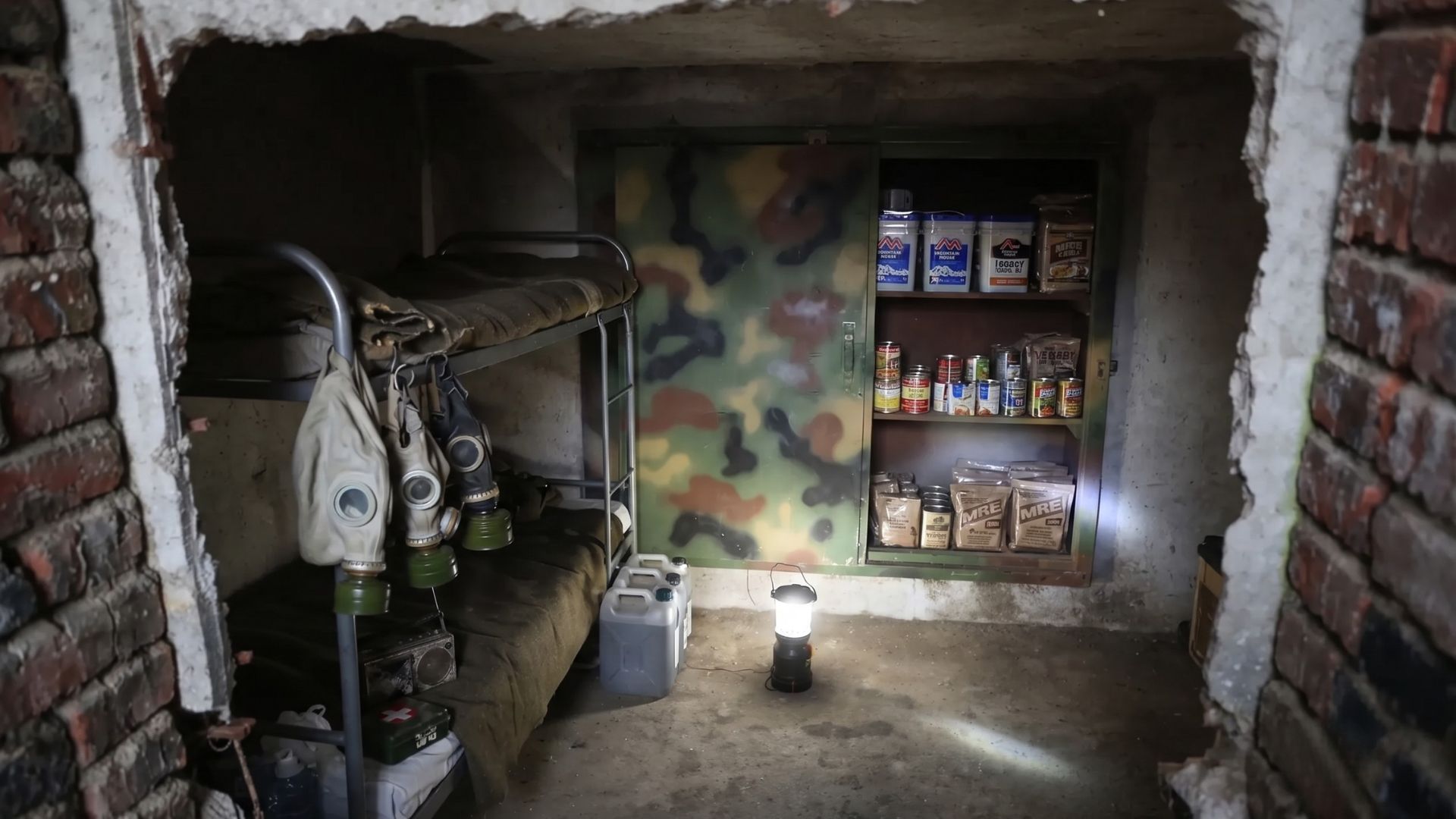

House bought by a family hid a subterranean bunker, secret doors, gas masks, bunk beds, and a supply depot left by a survivalist.
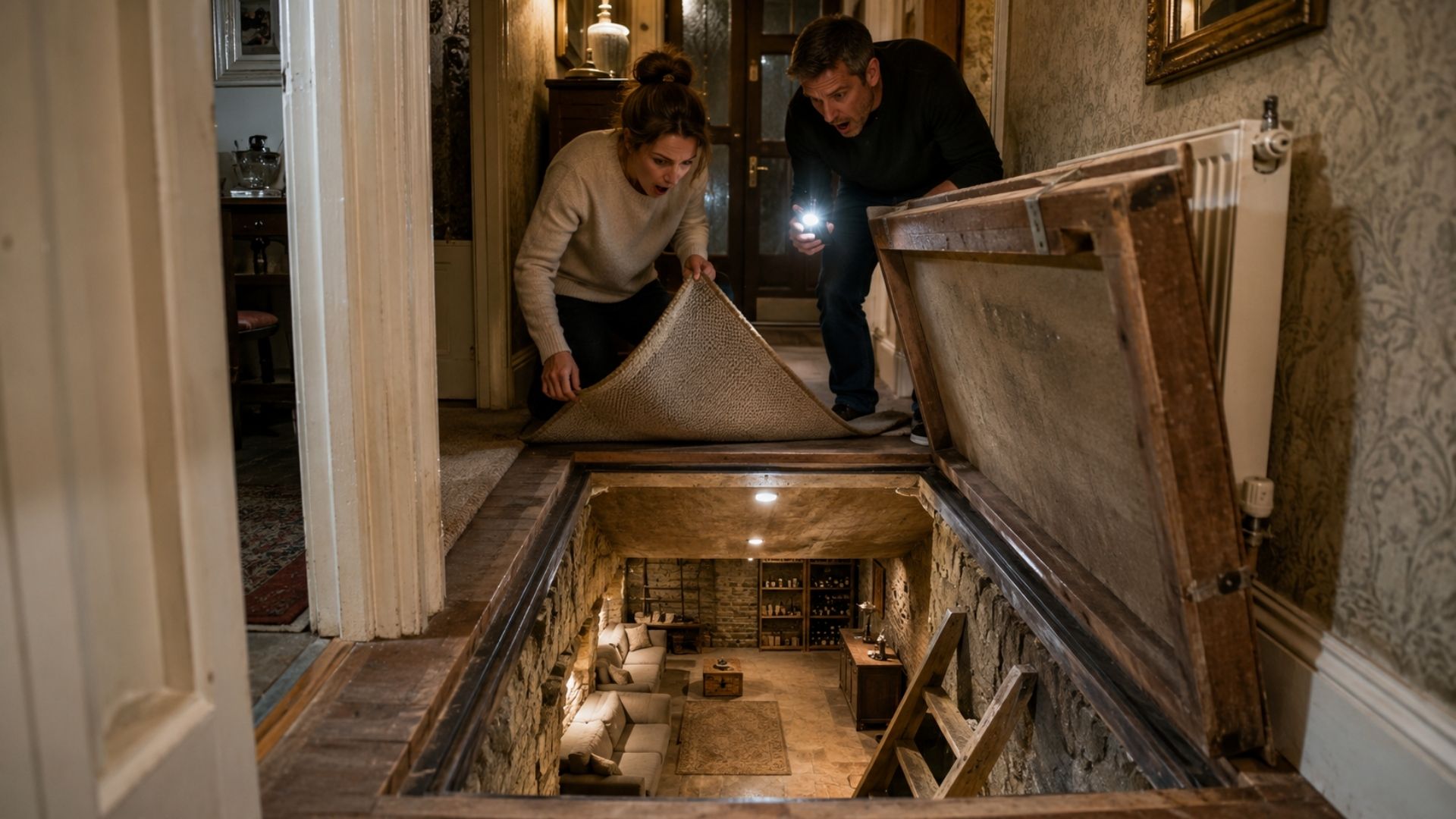
When a family bought the former house of a man described as a survivalist, they expected to receive just a regular property with a large basement. What appeared after the move, however, was a hidden underground structure camouflaged with mechanisms, featuring secret rooms, a stockpile of provisions, and equipment prepared for extreme situations.
The buzz began after the granddaughter of the new owner, identified as Carly in reports, posted a video showing the discovery. According to Newsweek, the content surpassed 4 million views on TikTok and gained international attention for revealing a hidden bunker behind a fake pipe and a scenic electrical panel.
House hid secret doors camouflaged within the basement
The first passage was found behind an element that seemed to be a normal part of the structure. According to Newsweek, a fake pipe installed on the wall functioned as an opening mechanism: when pressed, it released a secret door leading to a room used to store food.
-
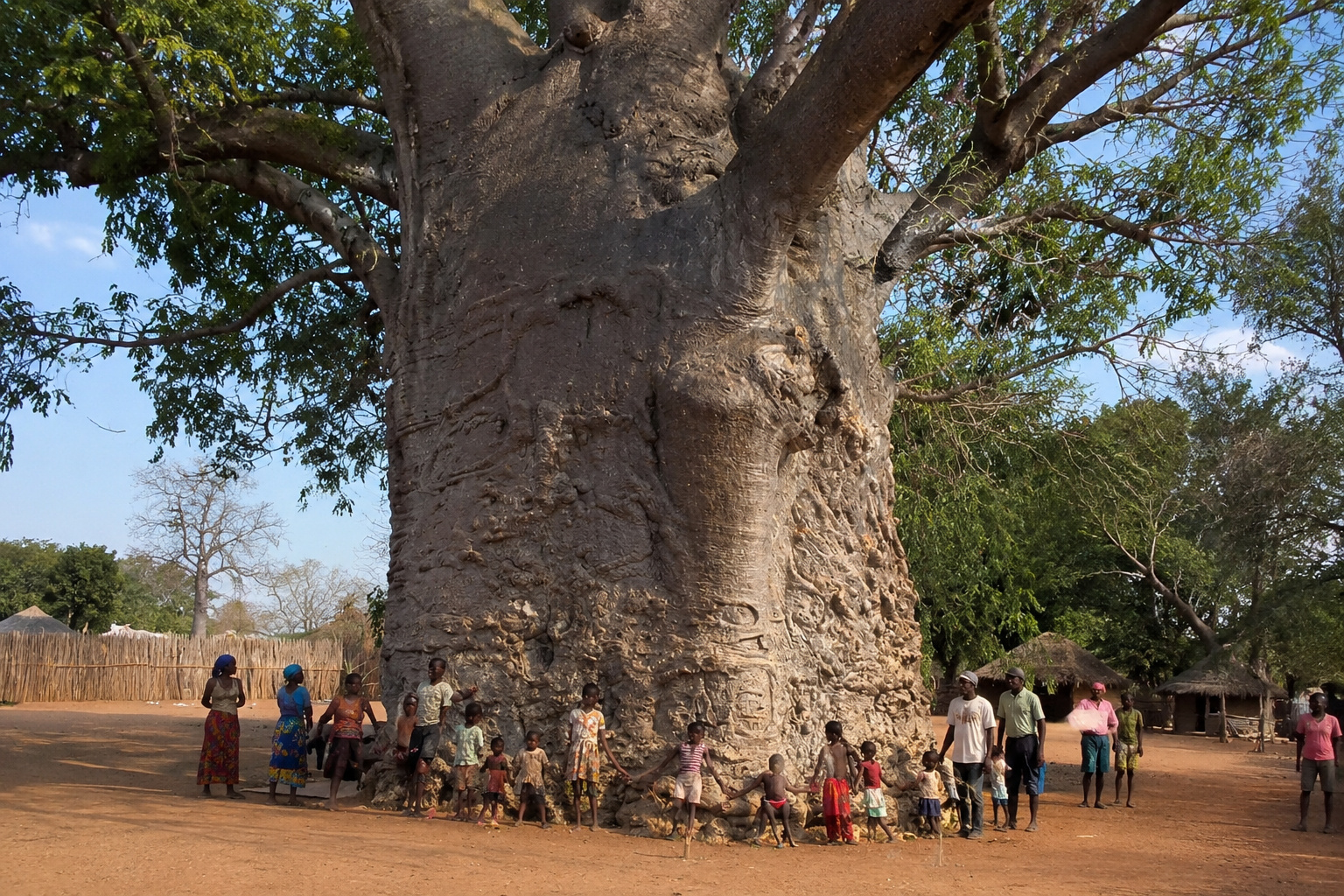
Few people know, but there is a 2,000-year-old tree in South Africa that “roars” when the wind blows through its branches and stores up to 4,500 liters of water in its trunk, becoming a source of life for the community.

-
Neto took refuge on the family farm in the hinterland of RN, found 2,000 surviving coffee plants from a plantation his grandfather had planted in the 1980s, revived the production, added 8,000 seedlings, and harvested 40 sacks of specialty coffee in a region marked by water scarcity.

-
At a depth of 750 meters, scientists find real gold trapped in the so-called “fool’s gold,” with a content of up to 1.9% in microscopic grains, but the record concentration still does not confirm a deposit ready for commercial exploitation.
-
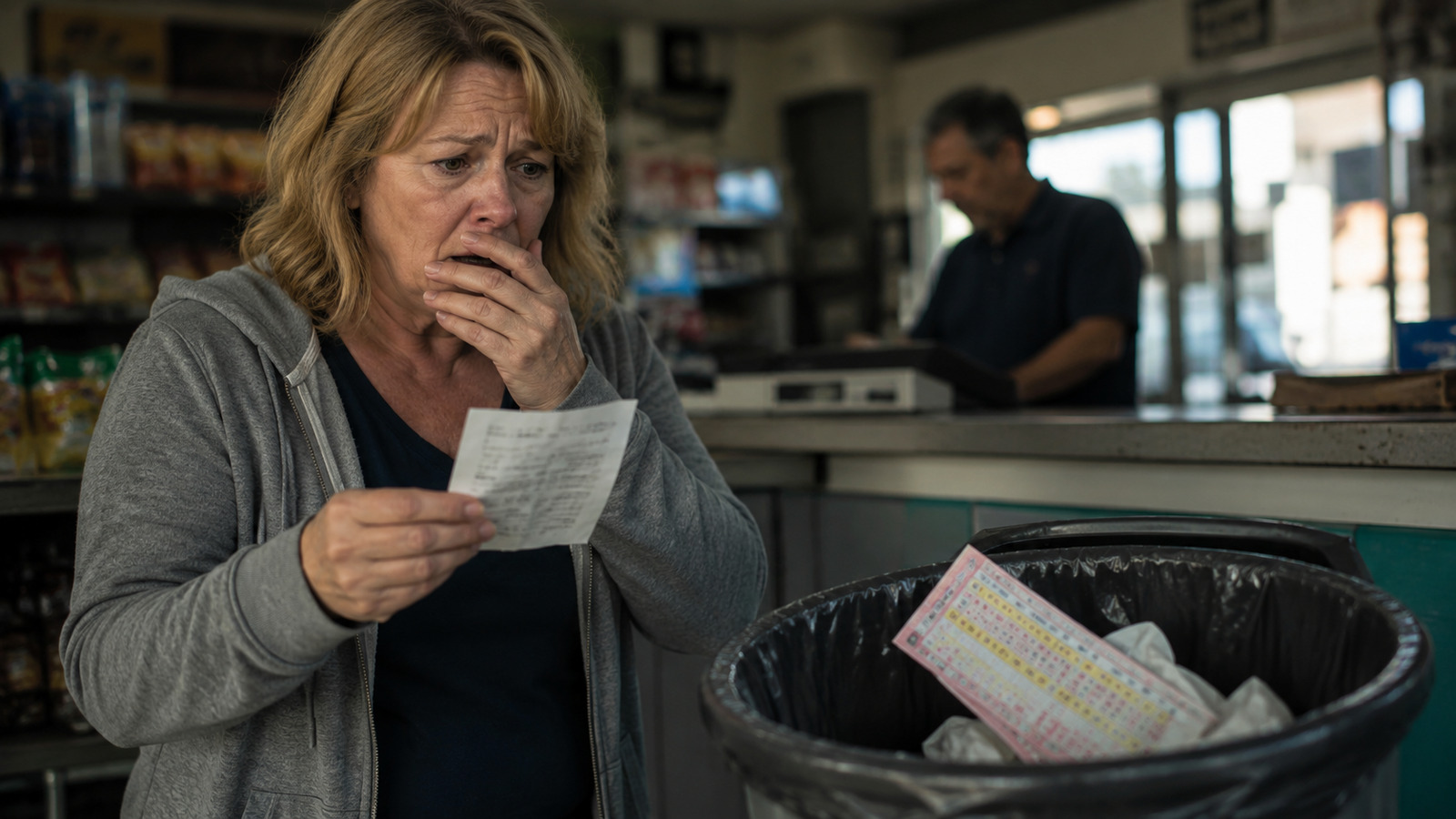
Mother discovers she may have won £12 million in the lottery but faces an agonizing wait after the shopkeeper threw the ticket in the trash.



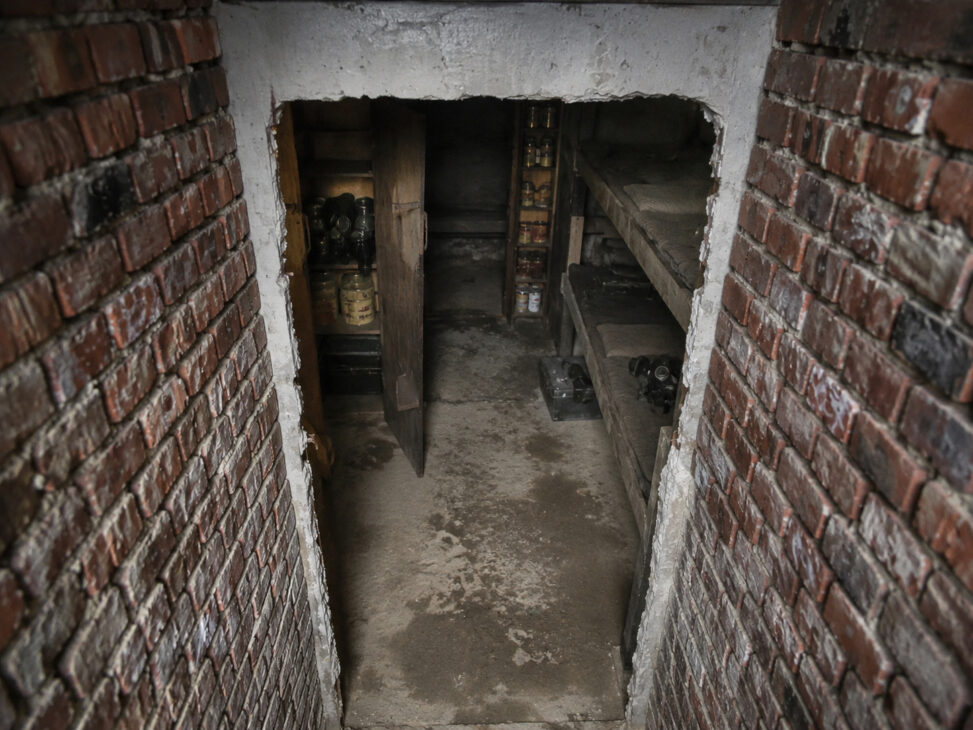
In this first compartment, there were still shelves and clear signs that the space had been set up to store supplies for long periods. The report also states that the room housed a safe, reinforcing the idea that the former resident prepared the environment for prolonged emergencies.
The surprise increased when the family found a second hidden passage. This time, the access appeared behind a false electrical panel, which simulated being part of the house’s installation but concealed the entrance to the main bunker.
Underground bunker housed bunk beds, gas masks, and manual water system
After crossing the hidden passage, the family found a space prepared for isolation. According to Newsweek, the bunker had six bunk beds, in addition to an internal lock that allowed the occupant to lock themselves inside the structure.
The report also describes the presence of gas masks stored on shelves and a manual water pumping system. Even with some items already removed before filming, the environment still preserved the configuration of a shelter designed for prolonged use.
The Independent confirmed the essence of the discovery by reporting that the TikTok user showed a basement transformed into a bunker, with a hidden door and even a gas mask still stored on site. The publication also noted that the structure remained in the property because the creator’s grandmother did not usually go down the stairs.
Former owner was described as a survivalist prepared for disasters
The reports identify the former owner as a doomsday prepper, an expression used in English for people who prepare for extreme events, such as severe crises, natural disasters, economic collapses, or other major emergencies.
According to Newsweek, the case drew attention precisely because the preparation was not superficial. The property hid an infrastructure set up with a logic of permanence, including canned food, sleeping shelter, water, and protective equipment.
The very way the accesses were designed shows this care. The entrances were not apparent, and the bunker could go unnoticed even by those who normally walked around the house, which reinforced the feeling of unexpected discovery when the family began to explore the basement.
Supply stock reinforced the impression that the house was prepared for long periods of isolation
One of the secret rooms had been used as a food storage. According to Newsweek, when the house was purchased, there was still a stock of canned goods on site, although some had already been removed when the video was recorded.
This detail was central to the case’s repercussion because it gave the bunker a more concrete dimension. It was not just an architectural curiosity or a hidden room, but a structure equipped with a clear survival purpose.
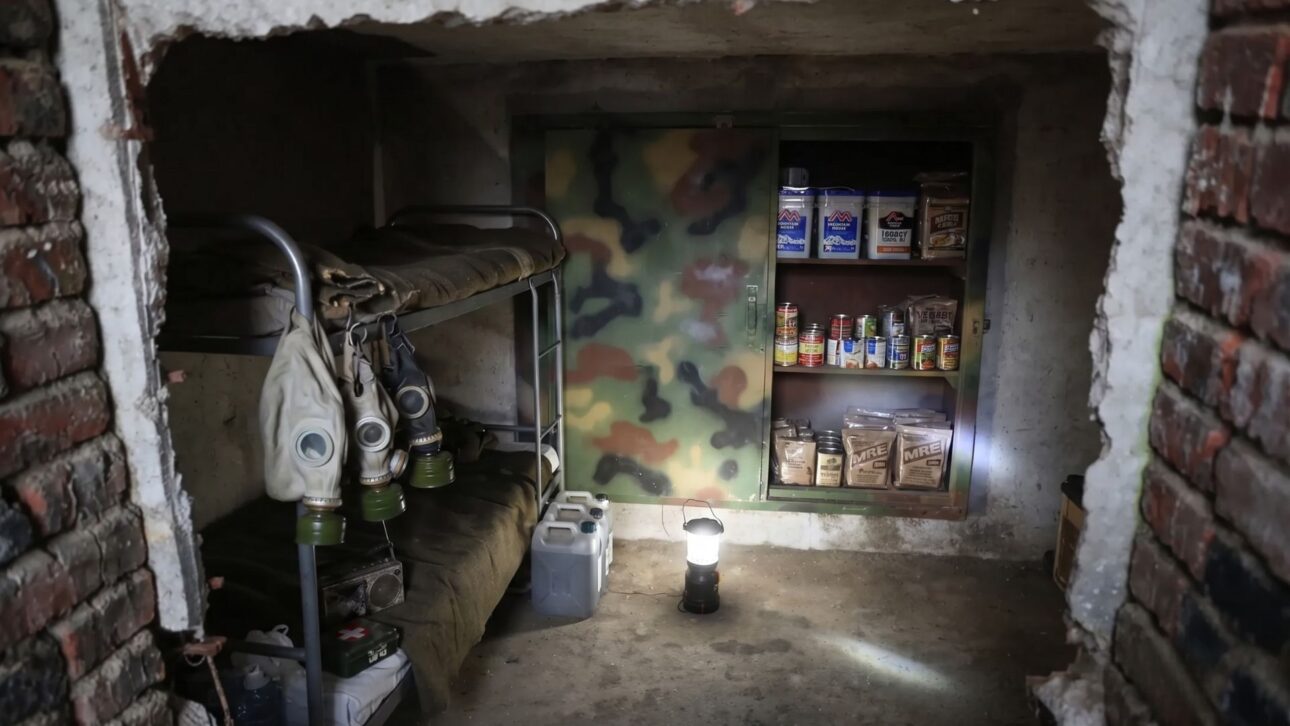
The combination of food storage, manual water, bunk beds, safe, and gas masks consolidated the image of a shelter prepared for a severe isolation scenario. It was this combination that turned the discovery into a phenomenon on social media.
Viral video turned the discovery into one of the most talked-about residential stories of the period
The images shared by Carly generated a strong public reaction. Newsweek reported that thousands of comments alternated between fascination, humor, and discomfort in front of the hidden structure, with some users saying they would keep the bunker and others expressing a sense of claustrophobia upon seeing the underground spaces.
Independent also highlighted the surprise caused by the case by summarizing the residence as a grandmother’s house hiding a survivalist bunker in the basement. The storyline helped boost the story because it mixed domestic discovery, secret passages, and objects associated with disaster scenarios.
This combination made the episode surpass the usual circuit of renovation or property exploration videos. The discovery began to circulate as a story about the house’s invisible past and the level of preparation left by its former owner.
Interest in disaster preparedness has also gained strength in recent years
The impact of the story coincided with a moment of greater global attention to the world of emergency preparedness. In another report, Newsweek cited a projection by Zion Market Research that the global market for survival tools could reach US$ 2.46 billion by 2030, with annual growth exceeding 7% between 2023 and 2030.


This backdrop helps explain why the case quickly moved from TikTok to gain international press. The house hid a privately assembled bunker, but the story reached an audience already sensitized by debates on pandemics, international crises, disasters, and domestic preparedness.
Even so, what made this episode unique was not a market trend, but the level of camouflage left in the property. The discovery showed that an apparently ordinary house could hide, behind false construction elements, an underground structure almost invisible to those observing only the surface.