Portuguese
  Spanish


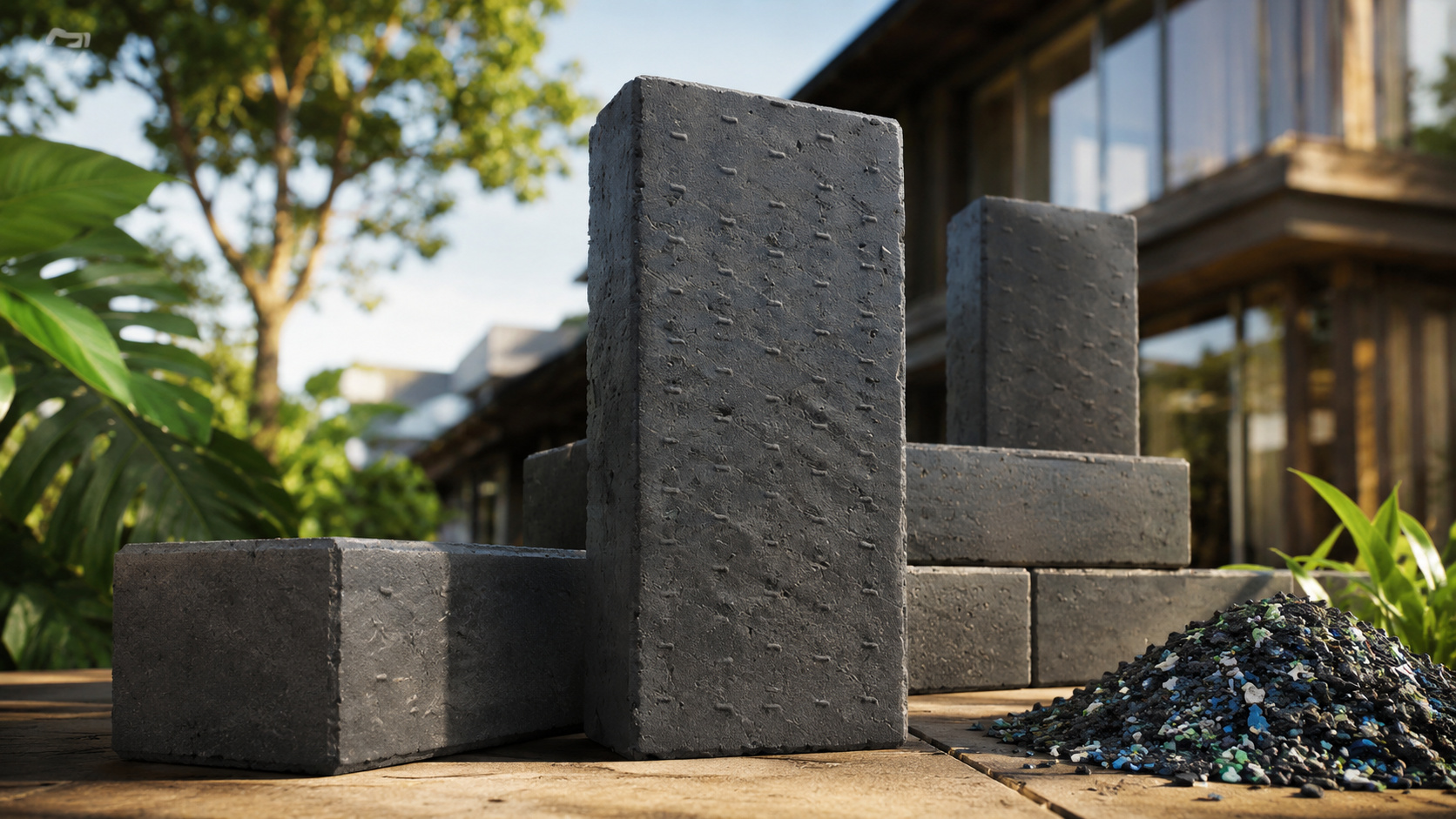

Zelij Invent, plastic waste, eco-friendly blocks, and civil construction drive Moroccan project that has already reused more than 200 tons.
In Morocco, entrepreneur Saif Eddine Laalej decided to transform one of the most visible wastes on the streets and communities into raw material for civil construction. The initiative gave rise to Zelij Invent, a social enterprise focused on collecting discarded plastic and manufacturing blocks, floors, and pavements with intensive use of recycled material.
According to the UNDP, the company had already reused more than 200 tons of plastic waste by 2023, achieving production of over 15 thousand blocks per month and reaching an uncommon point for a young business: demand began to exceed manufacturing capacity. The proposal placed Zelij Invent among the most well-known cases of circular economy applied to the construction sector in the country.
Plastic waste found in communities gave rise to Zelij Invent
The origin of the project is linked to field visits made by Saif Eddine Laalej during university activities. According to the UNDP, he found large quantities of accumulated plastic in communities that did not have adequate waste collection and management infrastructure.
-
City Hall spends almost R$ 2 million on a wooden bridge only 2.5 meters wide to prevent the isolation of 5,000 people, but information about lifespan, load, and maintenance does not appear in public disclosures.

-
More than 2,100 trucks transported 16,200 cubic meters of concrete without interruption to create the foundation of the tallest skyscraper in the western United States and break a world record.

-
The man who started in construction with his own house founded a company in 1957, went through a banking crisis in 1987, and ended up connected to 16,500 houses in Houston.

-
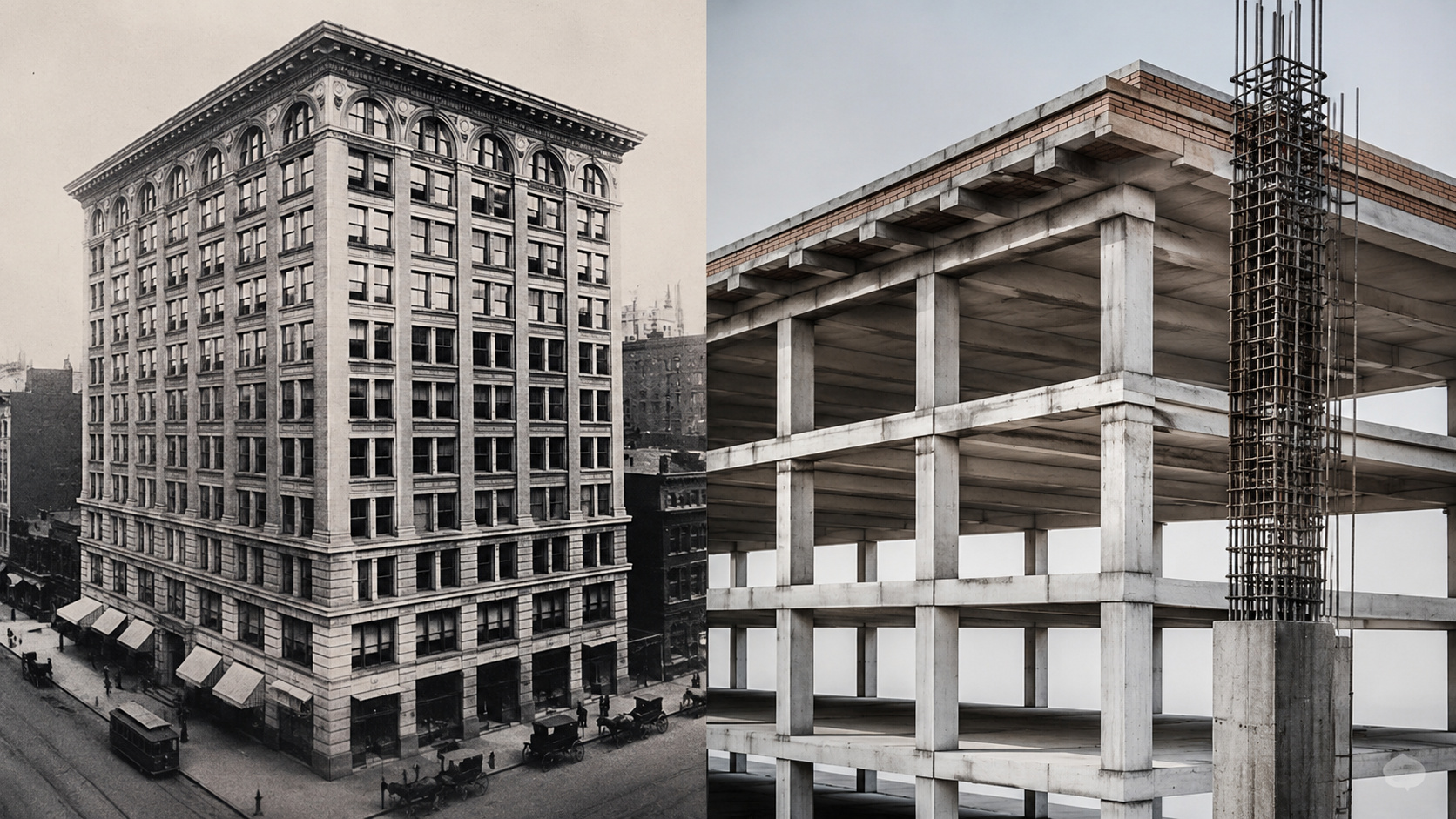
Builders challenged experts, erected a 16-story building using only reinforced concrete when the known limit was six floors, and proved that skyscrapers would never be the same again.


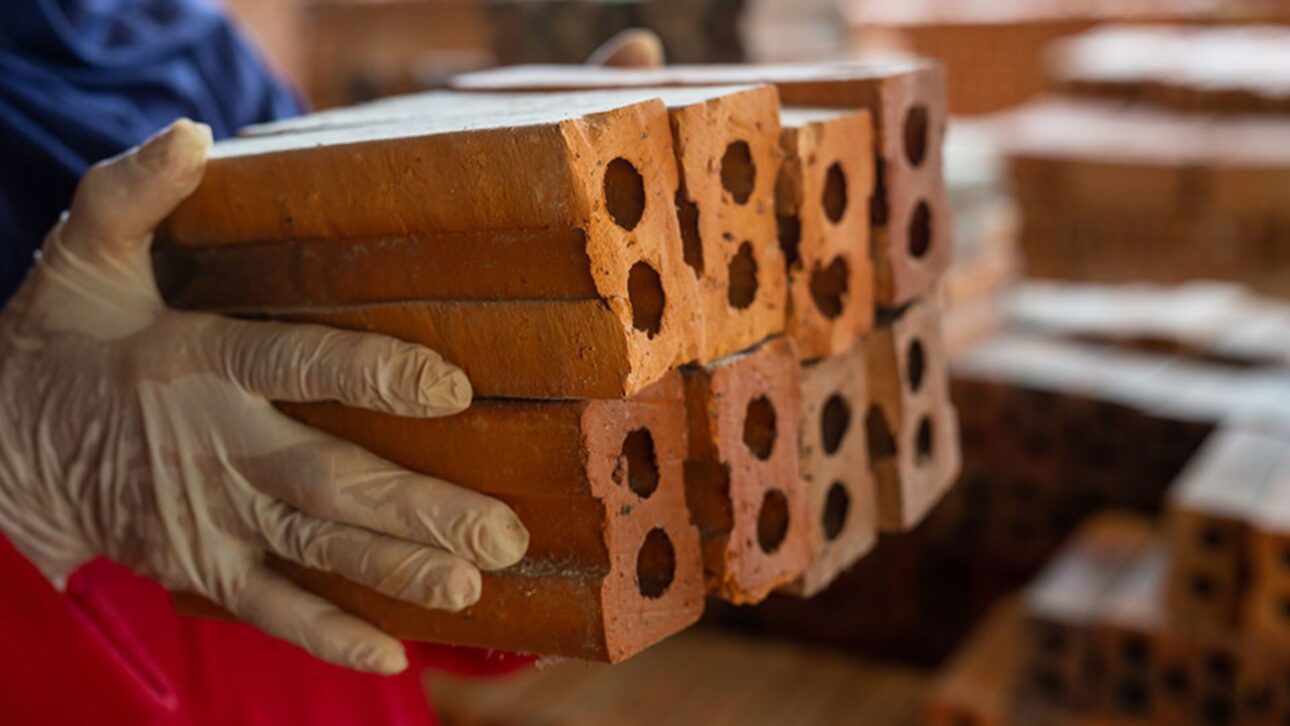
From this realization, the entrepreneur began to investigate how packaging, containers, bottles, and bags could be given a destination with greater economic value than conventional recycling.
Instead of just sorting the material by weight, the idea was to convert it into a final product for one of the most relevant sectors of the economy, civil construction.
The proposal was consolidated in Zelij Invent, which started collecting discarded plastic and transforming it into materials used in construction works, sidewalks, outdoor areas, and paving projects. The business was born with an environmental focus, but also with industrial and commercial ambition.
Discarded plastic began to turn into blocks, floors, and pavements with commercial value
The company’s production process begins with the collection and sorting of waste. Part of this raw material comes through local workers who are already engaged in the informal recovery of plastic, creating a chain that connects disposal, separation, and industrial transformation.

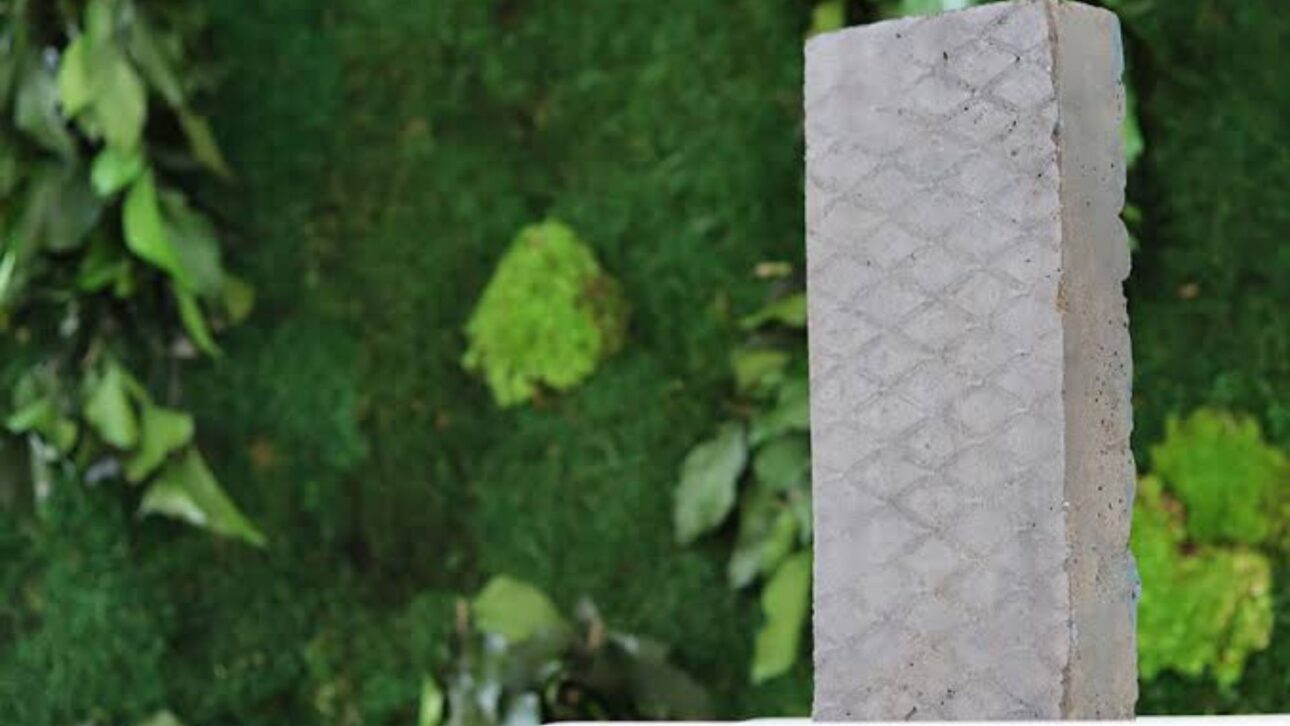
After sorting, the material goes through preparation, mixing with other components, and molding. The result is blocks, floors, and pavements aimed at construction applications, in a model that attempts to remove plastic from the environment and reinsert it into a chain of higher added value.
According to Middle East Exchange, one of the formulations presented by the company was developed with about 80% plastic waste and 20% of other more environmentally suitable materials. This composition helped to differentiate the project and reinforce its identity as an ecological construction solution.
Company developed its own process and invested in cold manufacturing
Zelij Invent did not limit itself to adapting a common industrial line. The company developed its own formula and structured a production process specifically designed to incorporate a large volume of plastic into construction materials.
One Young World describes the technology as a proprietary cold manufacturing process, created to transform plastic waste into construction materials with less reliance on conventional resource-intensive methods.
The business logic is to give a useful destination to waste that, in many cases, could end up in inappropriate disposal areas, vacant lots, or fragile collection systems. Thus, plastic ceases to be just an environmental problem and becomes part of a new production chain.
More than 200 tons of plastic were reused and production exceeded 15 thousand blocks per month
The numbers released by the UNDP helped to gauge the scale achieved by the project. By 2023, Zelij Invent had already repurposed more than 200 tons of plastic waste, equivalent to more than 200,000 kilograms of material diverted from disposal and redirected for the manufacture of products used in construction.
In the same survey, the UNDP reported that the company’s production had exceeded 15,000 blocks per month. The pieces began to supply construction companies, consumers, and initiatives related to sustainable construction in Morocco, showing that the solution had already moved beyond the prototype phase.
The most revealing data might have been another: the demand for the products was already greater than the factory’s delivery capacity. This indicated that the company’s main challenge was no longer proving that the technology worked but rather expanding scale, structure, and investment.
Young founders faced skepticism before consolidating the business
The company’s journey was also marked by the resistance faced by the founders at the beginning. According to the Middle East Exchange, many people did not take the proposal seriously when Saif Eddine Laalej and Houda Mirouche began presenting the idea of transforming discarded plastic into materials for paving and construction.
Still very young, they needed to develop prototypes, test formulations, and participate in incubation programs to show that the product had technical viability and market potential. The barrier was not just industrial, but also one of credibility.
This point helps to understand why the consolidation of Zelij Invent did not depend solely on technology. The advancement of the business also required presentation skills, the search for partners, acceleration, and connection with networks supporting green entrepreneurship.
Company name refers to traditional Moroccan architecture
The choice of the name Zelij also helped to build the project’s identity. According to the Middle East Exchange, the word is linked to the idea of a small polished stone and refers to the Moroccan tradition of geometric cladding and mosaics closely associated with the country’s architecture.
This reference was not just aesthetic. It helped to connect environmental innovation to a recognizable cultural element, bringing the recycled product closer to an architectural language with symbolic value in the local market.
As a result, the repurposed plastic ceased to appear merely as transformed waste. It began to form pieces with practical, visual, and commercial functions, reinforcing the company’s positioning beyond the environmental discourse.
Ecological blocks attempt to reduce pressure on cement and conventional raw materials
Civil construction depends on large volumes of cement, aggregates, water, and energy, so initiatives that replace part of these inputs with waste are gaining attention in different countries. Zelij Invent has joined this effort by proposing materials that incorporate a large amount of reused plastic.
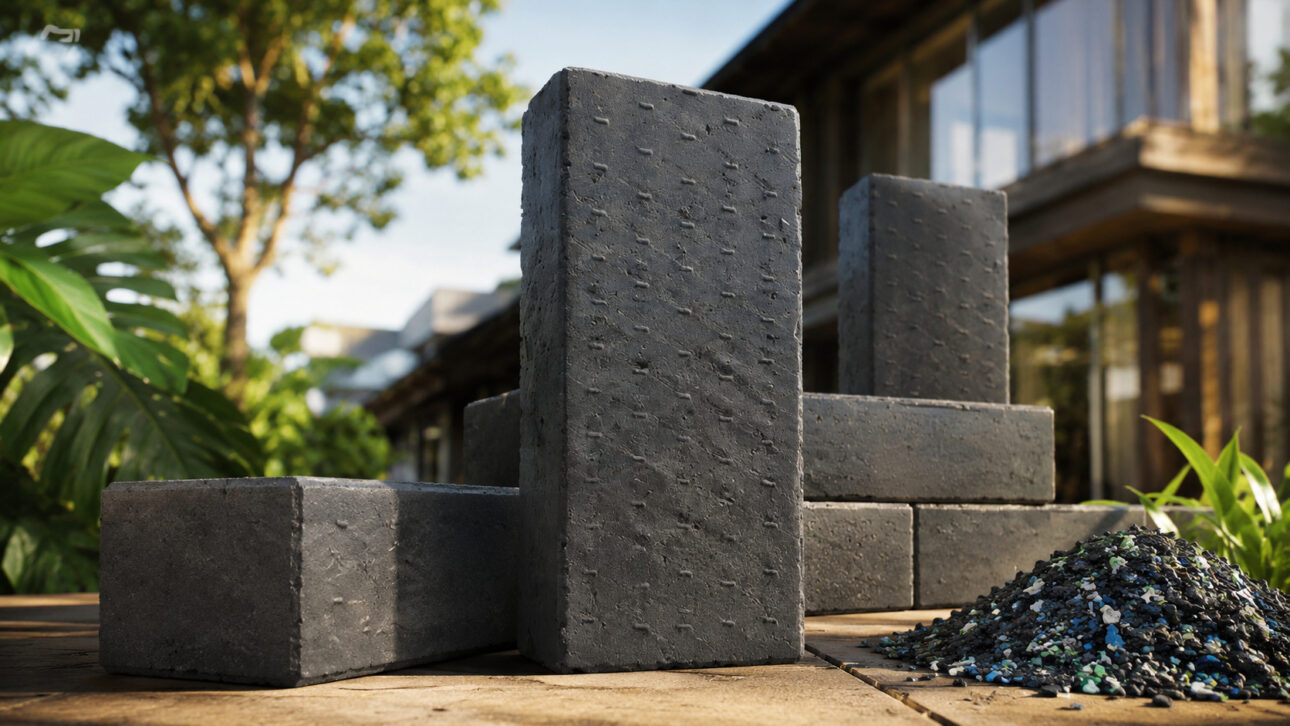
This does not mean that all environmental impact of a construction project disappears. What the company tries to do is reduce part of the dependence on conventional raw materials and extend the useful life of waste that, without this type of solution, could remain in the environment for decades.
At the same time, the final performance of the pieces needs to be evaluated according to the application, project requirements, and relevant technical standards. The commercial advancement of the product depends precisely on being able to combine environmental appeal, functionality, and market trust.
Expansion to other countries entered the company’s radar
After consolidating operations in Morocco, Zelij Invent began targeting new markets. The UNDP reported in 2023 that the company was studying expanding production to countries like Iraq, Kenya, and Malaysia, bringing the waste recovery and material manufacturing model to other realities.
One Young World also noted that the organization started engaging in activities related to green entrepreneurship and research on solutions for plastic waste in other contexts, including in Iraq. This movement expanded the project’s scope beyond local industrial production.
The ambition for expansion makes sense because the problem faced by the company is not exclusive to Morocco. The accumulation of plastic, the deficiency in collection, and the need for affordable construction materials appear in several emerging markets simultaneously.
Plastic found on the streets became raw material for a new industrial chain
The story of Zelij Invent began with a visible problem in Moroccan communities and evolved into an operation that connects waste collection, construction material manufacturing, and economic value generation.
The case gained momentum because it tackled two pressures at the same time: the excess of discarded plastic and the constant demand for solutions in the construction industry.
By 2023, the data released by UNDP indicated more than 200 tons of plastic reused, production above 15 thousand blocks per month, and demand exceeding delivery capacity. These numbers helped consolidate the company as one of the best-known examples of transforming waste into construction-use products in the country.
The project shows how a low-value material in disposal can enter a completely different industrial chain when technology, design, entrepreneurship, and market start to act on the same problem.