






 Portuguese
  Spanish


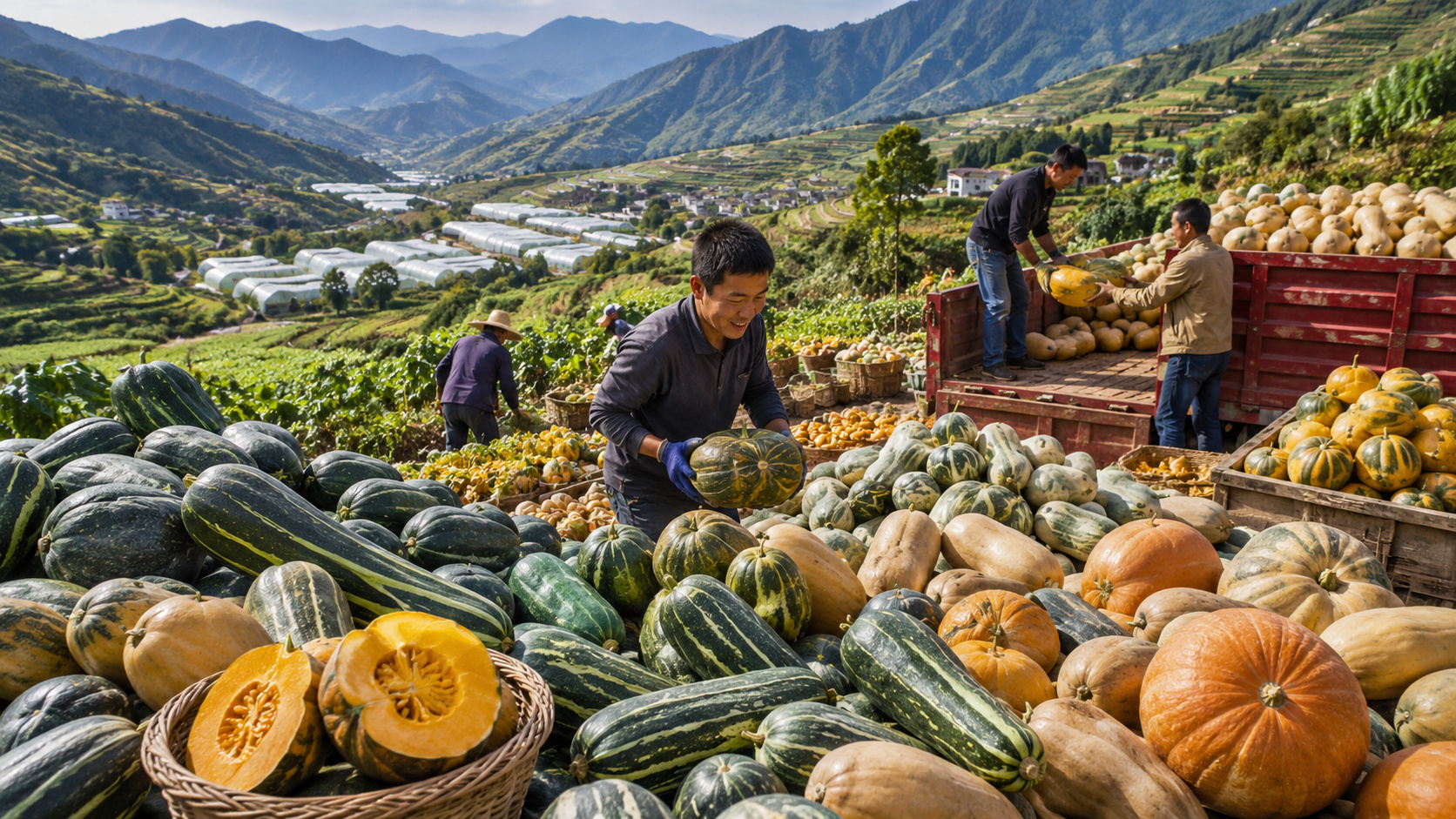

China leads the world production of pumpkins with 7.37 million tons, accounting for almost one-third of the global supply and expanding export hubs.
In 2023, China established itself as the world’s largest producer of pumpkins, zucchinis, and gourds, with a harvest of 7,374,060.7 tons, equivalent to 31.2% of the entire global production in this category. In practice, this means that almost one in every three tons harvested on the planet came from Chinese agricultural areas.
This leadership does not belong to a single farm or a continuous plantation internationally recognized as the largest in the world. It results from the sum of thousands of producers, cooperatives, companies, and regional hubs spread across different provinces, with emphasis on cultivation and processing areas in Guizhou.
China produced more than 7.37 million tons of pumpkins in a single year
Converted into gross weight, the Chinese volume in 2023 is equivalent to about 7.37 billion kilograms. In mathematical average, this represents something close to 20.2 thousand tons per day, a calculation obtained by dividing 7,374,060.7 tons by the 365 days of the year.
-
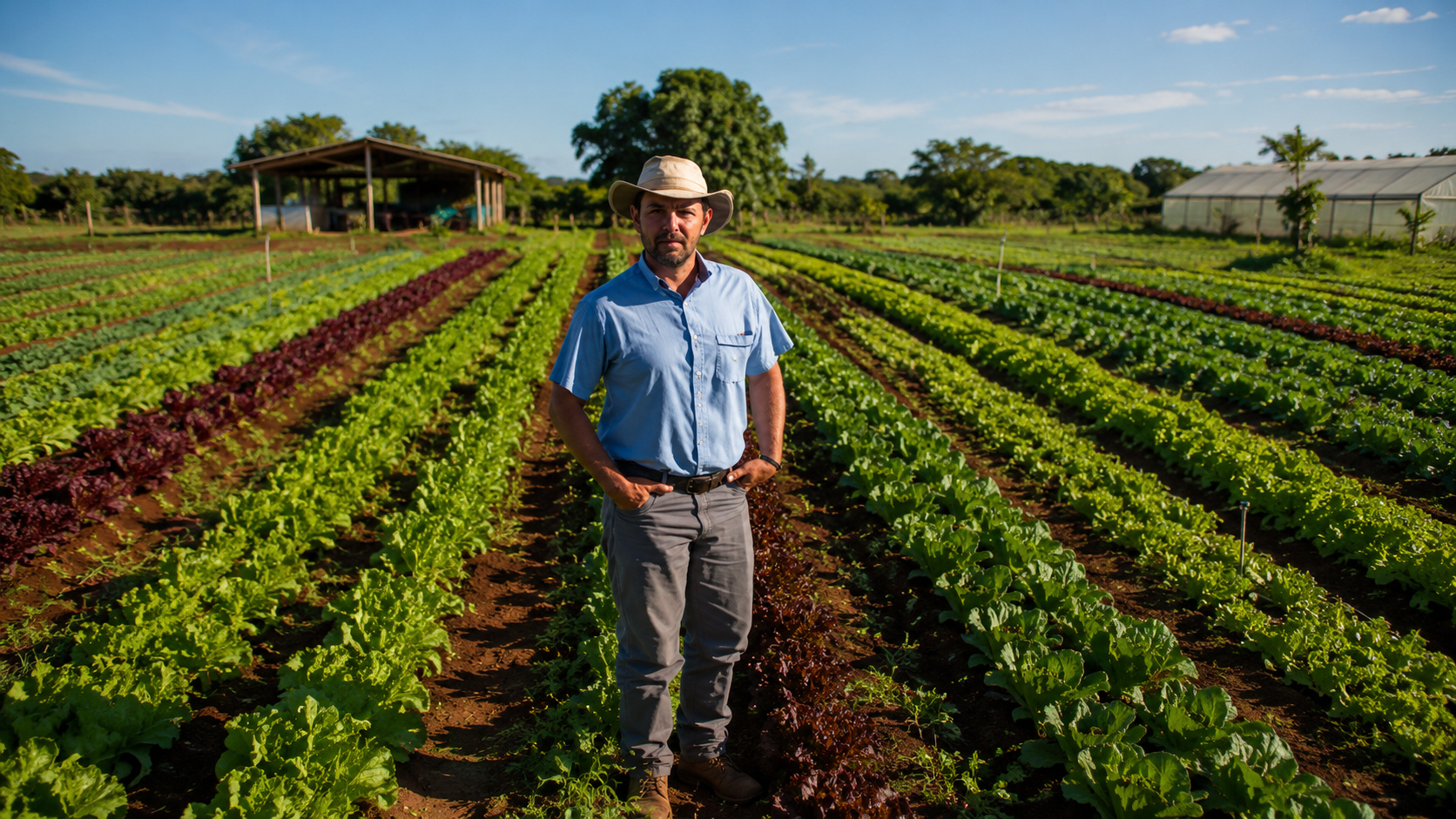
An executive left his career in the city to restore the family’s small property, started with an organic garden of just one thousand square meters, and transformed the land into a farm that supplies supermarkets, employs hundreds of people, and became a national reference in organic food.

-
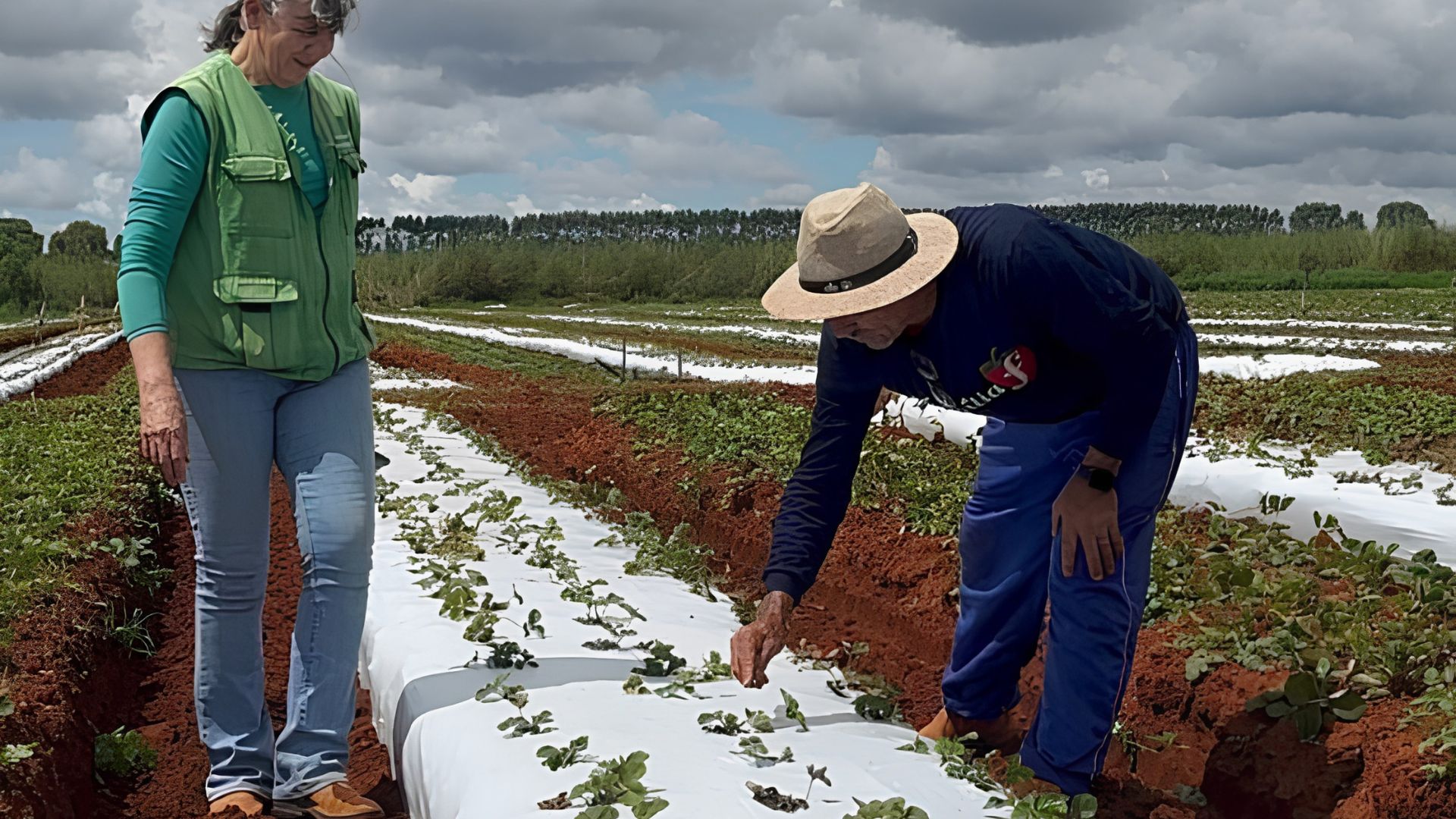
A couple escapes the city’s violence, starts from scratch on leased land, buys their own farm, invests in strawberry cultivation, and transforms the small production into a family business that keeps children and grandchildren working in the field.

-
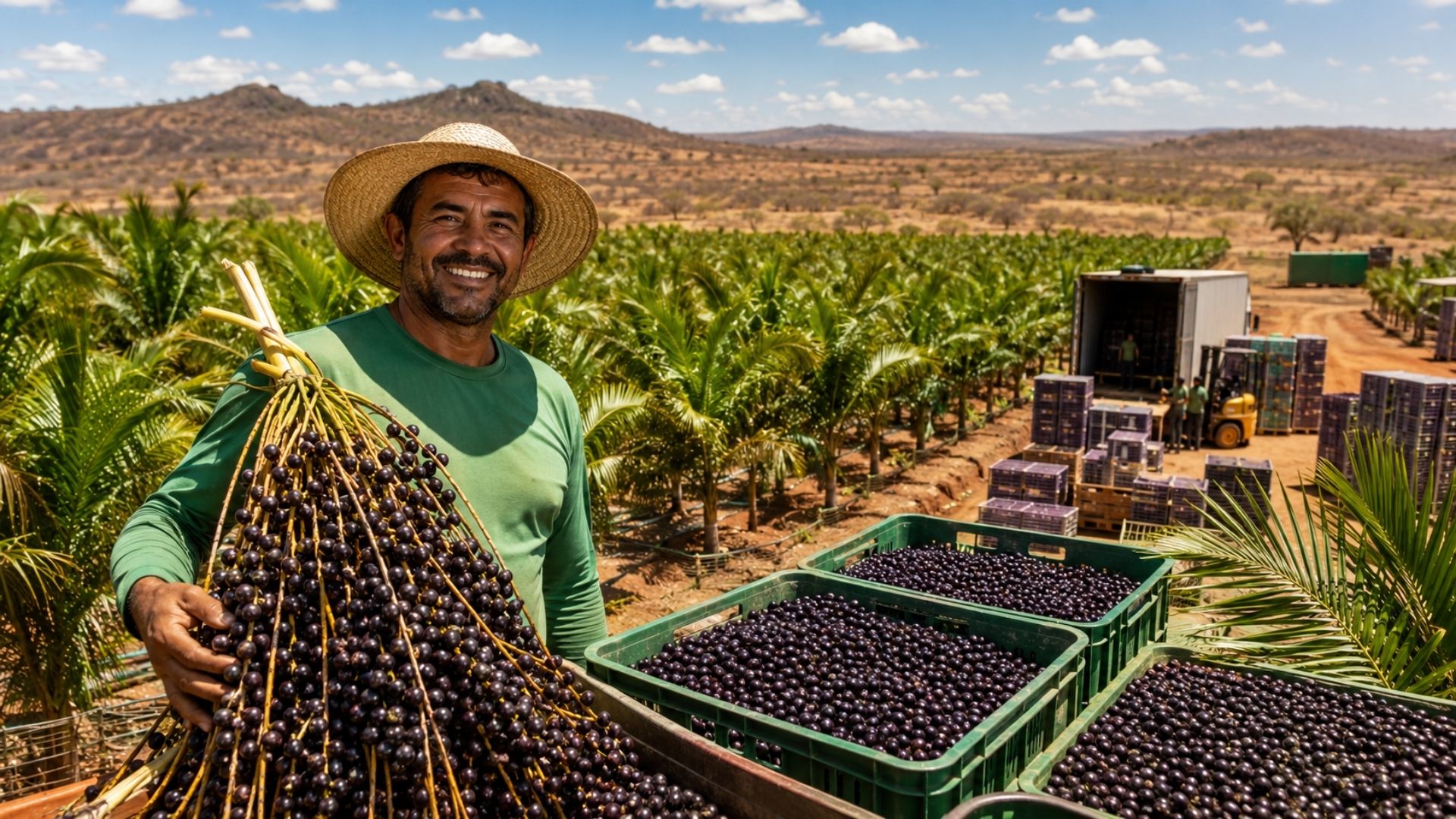
Without anyone betting that Amazonian açaí would catch on in Rio Grande do Norte, he brought the seedling from Pará, planted 80 hectares, and transformed the “unlikely land” into a business that harvests 280 tons of fruit and exports pulp to Italy, the Netherlands, and Kuwait, proving that the superfood from the North thrived in the semi-arid region.
-
A company from SC that moves R$ 125 billion in agribusiness is integrated into an international group, maintains its headquarters and jobs in Chapecó, and is preparing to expand software for cooperatives, grain companies, and industries while targeting new markets without leaving the western region of Santa Catarina.



The data from Tridge also shows stability over a longer interval. In 2019, Chinese production was 7,432,081.83 tons, indicating maintenance of a very high level over five years, without relying on a single exceptional harvest.
The same base used by the Tridge platform, from FAO data, shows that the Chinese share remained close to one-third of the global supply. This reinforces that the country’s leadership in this crop is not episodic but structural.
Species like Cucurbita moschata, Cucurbita maxima, and Cucurbita pepo help sustain the Chinese scale
A review published in 2025 in the Australian Journal of Crop Science highlights that China accounts for more than 30% of global pumpkin production and that the most cultivated species worldwide include Cucurbita moschata, Cucurbita maxima, and Cucurbita pepo. These varieties concentrate a large part of the supply intended for fresh consumption, processing, and seed utilization.
The same review describes the crop as present in different ecologies and agricultural systems, from temperate to tropical climates, which helps explain China’s strength in various producing regions. The country combines agricultural scale, a robust domestic market, and processing capacity, three factors that enhance the weight of the chain.
In addition to the pulp consumed fresh, the pumpkin chain also supplies seeds, dehydrated ingredients, and other food uses. This increases the economic value of production and reduces the exclusive dependence on the fresh fruit market.
Guizhou Province accelerated production and became a showcase of Chinese expansion
One of the clearest examples of this expansion appears in Guizhou, in southwest China. According to Xinhua, the province planned in 2025 to expand contracted pumpkin cultivation to more than 13 thousand hectares, with an estimated production of 500 thousand tons.
Within Guizhou, Zhijin County gained prominence as the “hometown of pumpkins.” The state agency reported that the region produces more than 100 thousand tons per year and involves more than 30 thousand farmers, showing that the scale does not depend solely on large farms but on an extensive network of producers.

Xinhua also reported that a local company has an annual capacity to process 7,500 tons of pumpkin strips and granules, as well as 3,000 tons of other dehydrated vegetables. In 2024, its exports reached 23.16 million yuan, with an annual increase of 345%, and in the first two months of 2025, they had already totaled 8.75 million yuan.
Leadership in production did not automatically make China the largest exporter of fresh product
Producing more does not mean exporting more in the fresh fruit segment. In 2023, China ranked only 12th in the world exports of fresh or chilled pumpkins, zucchinis, and gourds, with sales of US$ 14,779,474 and a share of approximately 0.94% of the global export value.
The main destinations listed for this flow were Hong Kong, Vietnam, Russia, and Macau. The contrast between 31.2% of the world’s production and less than 1% of the exported value of fresh produce indicates that a significant portion of the harvest remains in the domestic market or goes to other forms of processing.
It is precisely at this point that cases like Guizhou gain importance. Instead of relying solely on the export of fresh fruit, some regions have been increasing value addition with dehydrated products, which take up less space, have greater durability, and facilitate long-distance trade.
China leads by national volume, not by a single continuous plantation recognized worldwide
International data consulted confirm China as the world’s largest power in the production of pumpkins, zucchinis, and gourds.

A gigantic agricultural chain, formed by multiple regional hubs, thousands of producers, and strong processing capacity. This model explains why the country maintains its leadership even without relying on a single concentrated agricultural complex.
While other markets draw attention for festivals or for giant specimens grown individually, the Chinese advantage appears in the national aggregate. In 2023, more than 7.37 million tons were harvested, a volume sufficient to keep the country far ahead in the global competition of this crop.


