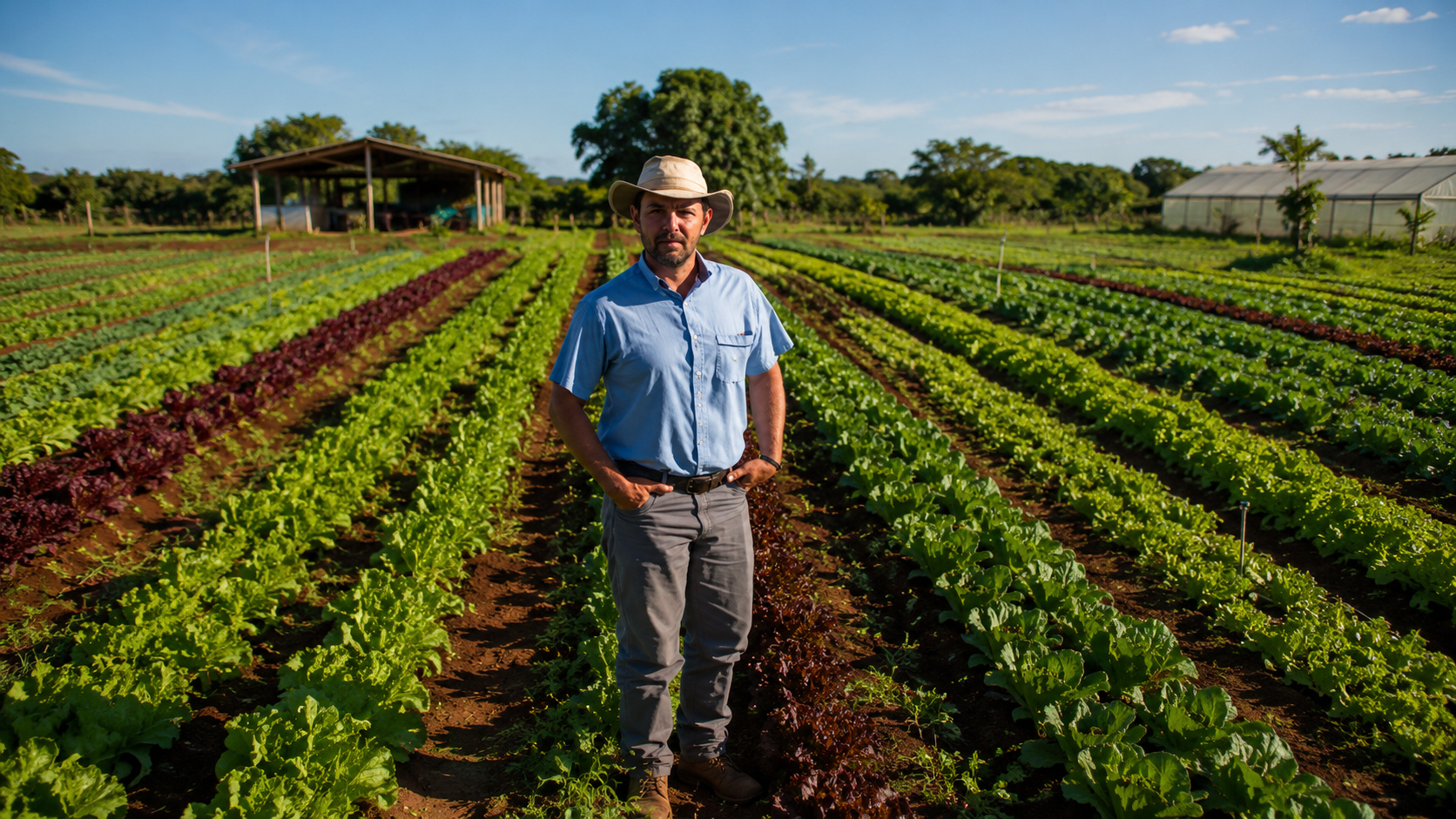
What began as a refuge during the isolation of 2020 led Diogo Castro to recover an abandoned coffee plantation in Jaçanã, invest in new varieties, and transform an old family production into coffee with greater added value
When he arrived at the family’s rural property during the Covid-19 pandemic, Diogo Castro found about 2,000 coffee trees still alive. The plants were what remained of a batch of approximately 10,000 seedlings brought to the mountainous region of Jaçanã, in the interior of Rio Grande do Norte, by his grandfather in the 1980s.
The coffee plantation had lost ground after the interruption of activities maintained by the family, which once produced the former Café Rio Grande. The survival of the plants for several decades, however, showed that cultivation could be resumed, provided it received management, water, and technical support.
In 2021, Diogo planted more than 8,000 new coffee plants on the property, with seedlings brought from Bahia. The 2024 harvest reached 40 bags of 60 kilos, equivalent to 2.4 tons, while the producer advanced in the implementation of irrigation, own roasting, and sales of products with higher added value.
-
At a depth of 750 meters, scientists find real gold trapped in the so-called “fool’s gold,” with a content of up to 1.9% in microscopic grains, but the record concentration still does not confirm a deposit ready for commercial exploitation.

-
Mother discovers she may have won £12 million in the lottery but faces an agonizing wait after the shopkeeper threw the ticket in the trash.

-
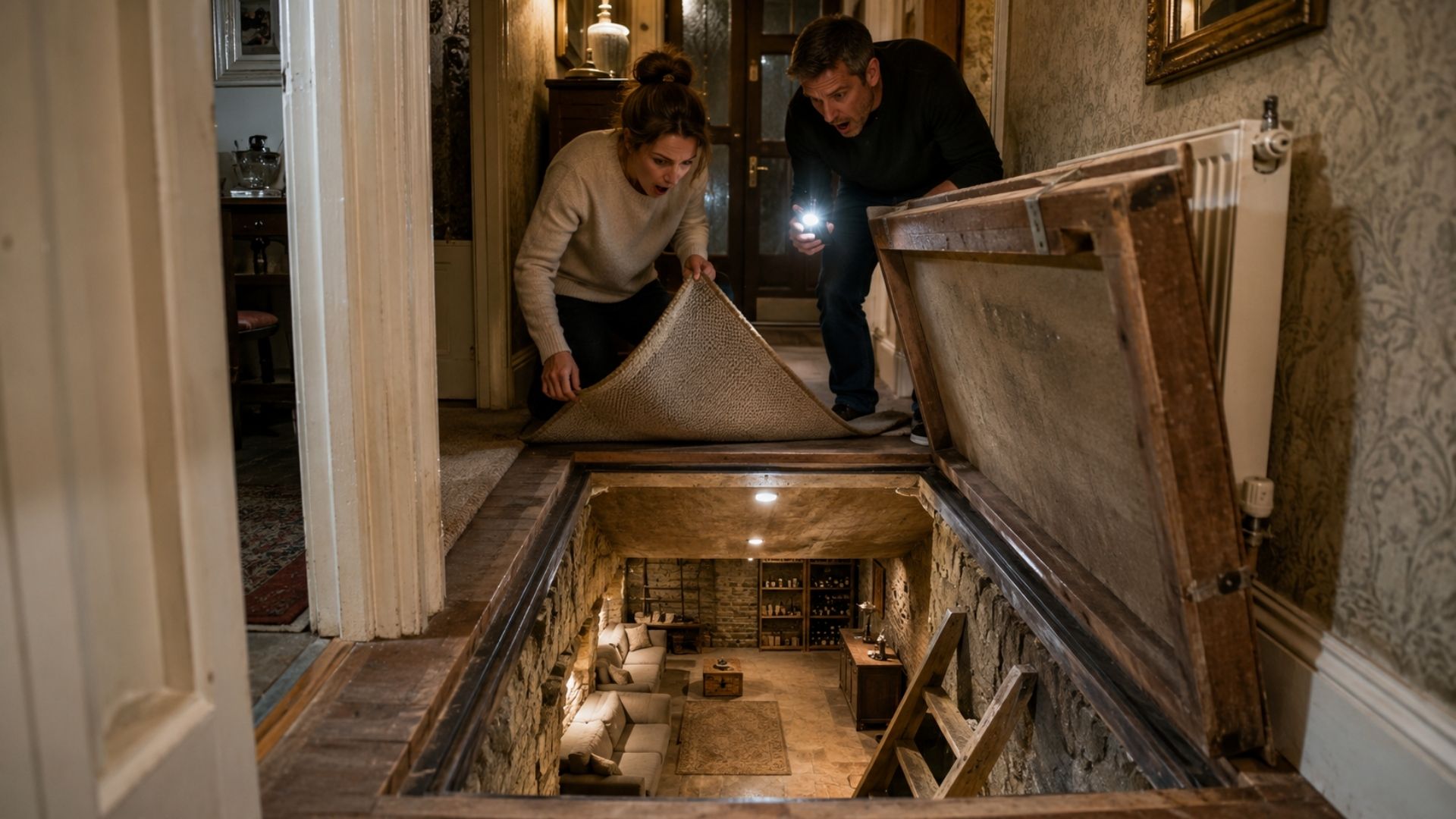
A couple bought a house in Sheffield and, when removing the carpet from the hallway, found a trapdoor leading to a secret 23 m² basement with a 2-meter ceiling height, a discovery that eliminated the need for an expensive extension and, according to them, added £70,000 to the property’s value.
-
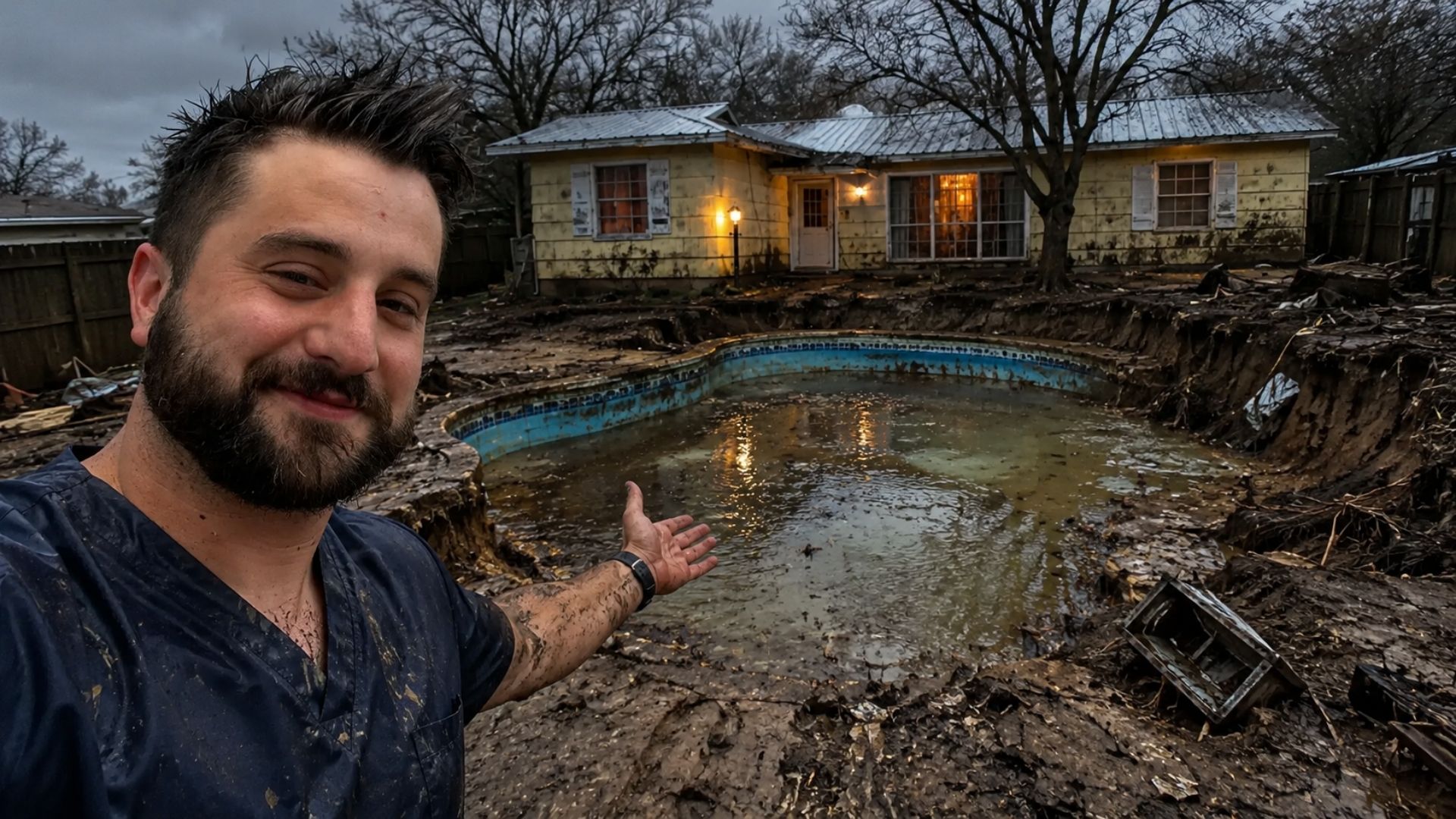
A nurse bought for 20,000 a 1955 house abandoned by a hoarder in Texas, and months later, rain revealed a buried pool in the backyard valued at $160,000, which he restored himself for about $10,000, a fraction of the cost of building a new one.

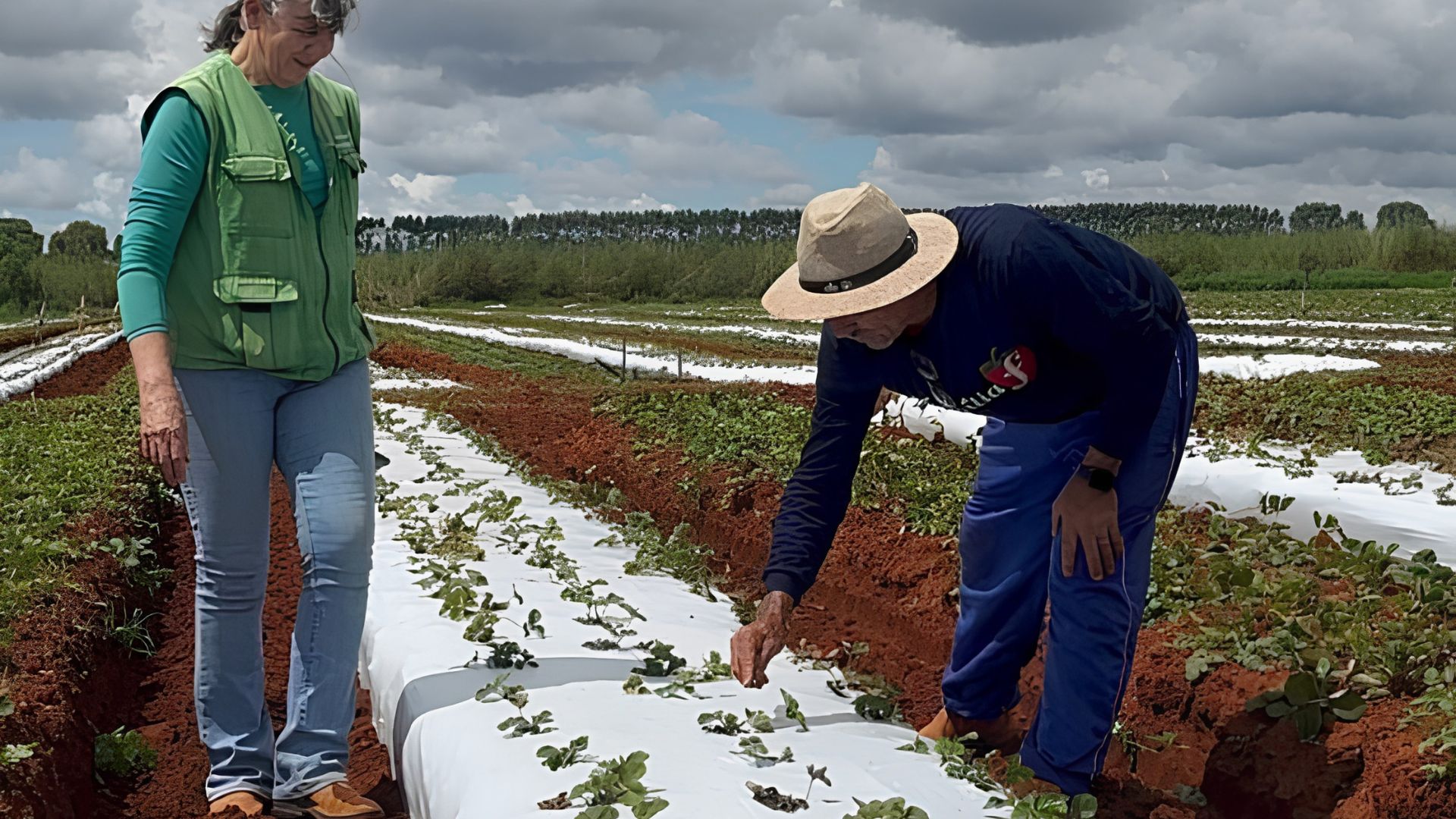
According to a report published by Agência Sebrae de Notícias, cultivation also began to be done in association with cashew trees, used to provide shade over some of the plants. The strategy helps reduce direct sun exposure, but does not eliminate the main obstacle of farming in the semi-arid, which is the irregular availability of water.
The surviving coffee trees brought back a business started by the grandfather
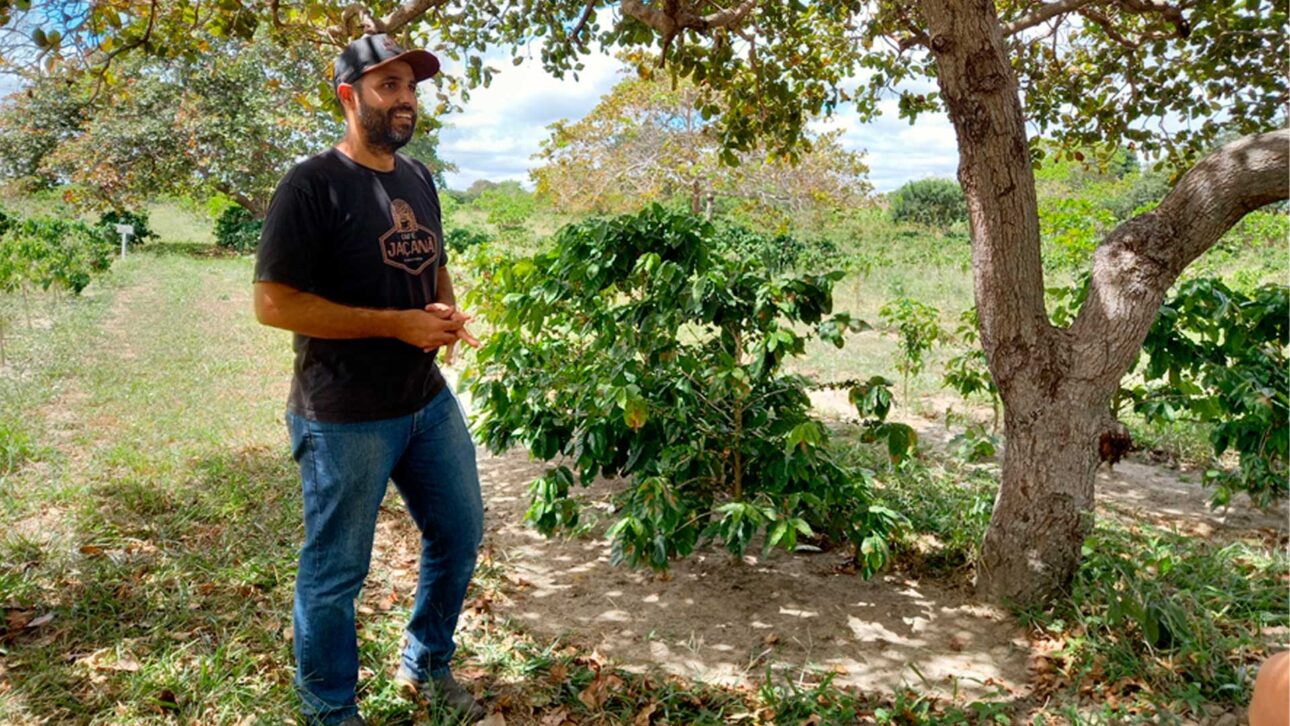
The family’s relationship with coffee began before the planting that Diogo found. His grandfather, Firmino Gomes de Castro, was already working with grains and roasting in the mid-20th century and acquired the Jaçanã property in 1978. In the following years, the site received thousands of seedlings, some of which were kept in the field even after the business weakened.
The return occurred in 2020. Diogo, who worked in the tourism sector, spent the social isolation period at Sítio Rio Grande and decided to take advantage of the old plants as a starting point for a new production. The project stopped focusing only on industrial coffee and began to seek quality, identified origin, and control over processing.
An investigation published by the portal Saiba Mais in March 2025 detailed that the property has about 15 hectares, of which approximately 5.5 hectares were occupied by cultivation. The survey recorded 9,000 seedlings planted in 2021, another 4,000 replanted later, and about 19,000 plants in the field, considering the different plantings and the losses that occurred during expansion.
Altitude helps coffee, but lack of water limits expansion
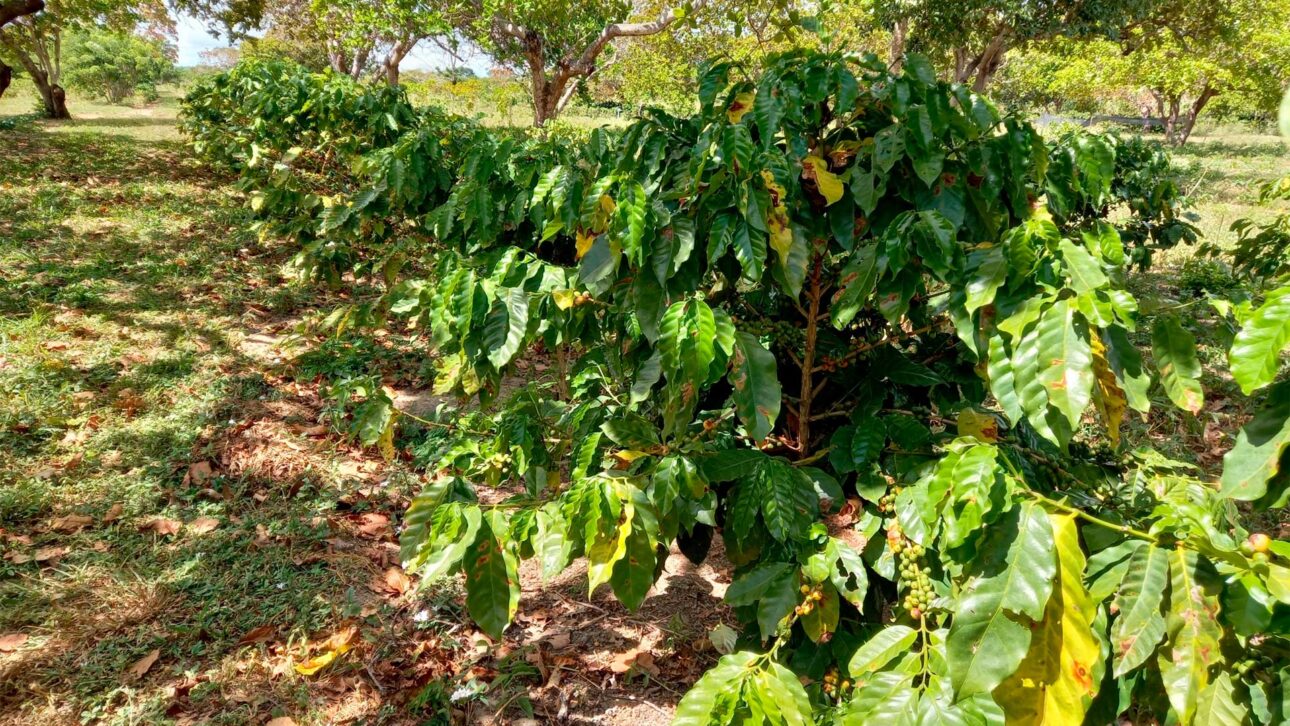
Sítio Rio Grande is located in a mountainous region situated at approximately 700 meters of altitude. This condition separates the property from the hotter and lower areas of the Potiguar backlands, where the cultivation of Arabica coffee would face even greater difficulties.
Embrapa reports that Arabica coffee usually shows better adaptation in areas with average annual temperatures between 18 °C and 22 °C, generally located above 500 meters. Temperature, terrain, water availability, and soil characteristics interfere with plant development, productivity, and the final quality of the beverage.
Altitude, however, does not provide water. The coffee plant needs moisture mainly during growth, flowering, and fruit formation periods. A prolonged drought can cause flower drop, reduce grain size, and compromise the next harvest.
Therefore, Diogo started investing in an irrigation system and practices capable of reducing thermal stress. Planting alongside cashew trees creates shaded areas, decreases the direct incidence of the sun on the coffee plants, and allows the use of a crop already known to the region’s farmers.
Manual harvesting separates ripe beans from green fruits
The shift to the specialty coffee market required changes beyond the variety planted. Instead of removing all the fruits at once, the producer performs selective harvesting and seeks to collect the so-called cherries, the stage at which the fruit is ripe.
This care reduces the mixing of green, dry, or deteriorated beans in the same batch. After removal, drying needs to be conducted in a controlled manner to avoid unwanted fermentations, excessive heat, and defects that appear later in the cup.
In the quality certification of the Brazilian Specialty Coffee Association, each batch undergoes sensory evaluation and needs to achieve at least 80 points. The process also considers traceability, technical compliance, and socio-environmental practices, factors that help the producer differentiate the product and access buyers willing to pay for the origin and proven quality.
The family now tries to control the path from the bean to the cup
The production of raw coffee offers less control over the price received by the farmer. By investing in roasting, packaging, and direct sales, the family starts to operate in stages where larger portions of the value paid by the consumer are concentrated.
This model also allows adjusting the roast to the characteristics of the batches harvested on the site. A coffee with greater sweetness or acidity, for example, may lose these characteristics when it receives an excessively dark roast, a common practice in products intended for the traditional market.
The creation of the brand Café Jaçanã links the product to the municipality and facilitates communication about provenance. On the property, varieties of Arabica coffee such as Catuaí, Arara, and Graúna are cultivated, in addition to old materials that survived from the period led by the grandfather.
The next step is to expand the portfolio to serve coffee shops, bars, restaurants, and other buyers in the food sector. This expansion depends on production regularity, processing capacity, consistency among batches, and infrastructure to store and deliver the coffee without loss of quality.
The result shows a possibility for the mountains, not a formula for the entire semi-arid region
The experience of Jaçanã does not mean that any area of the backlands can receive a coffee plantation. Altitude, temperature, water, variety, soil, and management need to be evaluated within each property, and irrigation adds costs with equipment, energy, and maintenance.
The production of 40 sacks in 2024 still represents a small operation compared to the large coffee-growing regions of the country. The differential lies in the possibility of selling roasted, traceable, and superior quality coffee, instead of competing only for the quantity of beans produced.
The project also shows how old plants can serve as a basis for new rural businesses. The coffee plantation that remained almost forgotten for decades now supports new plantings, revives the activity started by the grandfather, and tests the limits of agricultural production in a region accustomed to dealing with irregular rainfall.
Do you believe that specialty coffee can gain ground in other mountainous areas of the Northeast, even with the costs of irrigation and manual harvesting? Leave your comment and tell us if you know of any production considered unusual for the climate of your region.