






 Portuguese
  Spanish


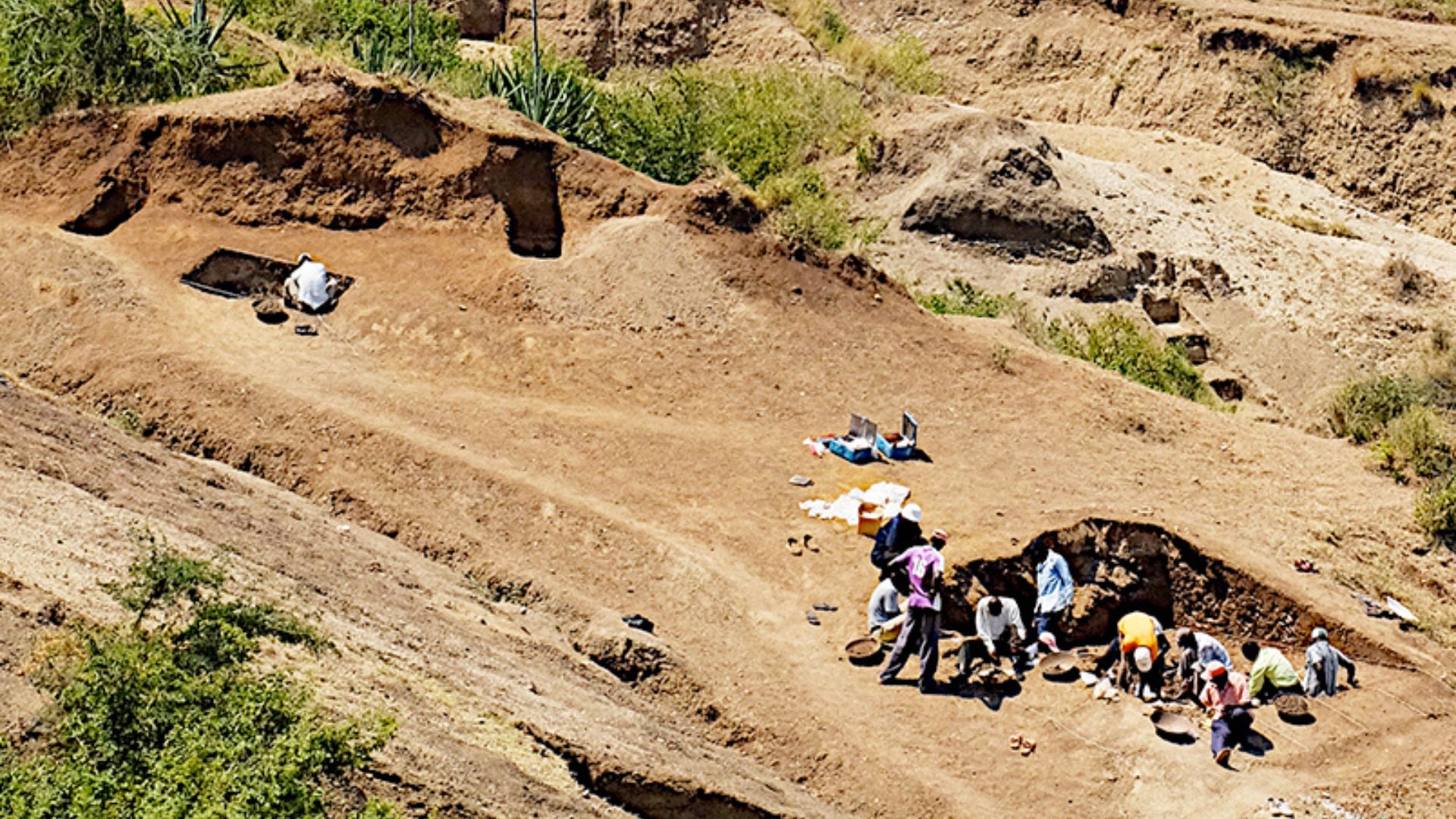


Very Old Stone Tools, Remains of Large Animals, and Hominin Fossils Appear at the Same Archeological Site in Western Kenya, Indicating That the Use of Technology to Process Carcasses Began Much Earlier Than Previously Thought and Involved Different Human Species.
Stone tools dating back about 2.9 million years, found at the archeological site of Nyayanga in western Kenya, are changing the most accepted picture of when and how lithic technology began to integrate into the lives of early hominins.
In the same archeological context, researchers identified bones of large mammals with marks compatible with the use of cutting instruments and two teeth attributed to the genus Paranthropus.
This association reopens the discussion about who manufactured and used some of the oldest tools linked to the systematic processing of carcasses.
-
Mother and Daughter Convert Small Garage into Full Apartment to Save Money and Stay United

-
Woman Leaves Restaurant Job to Become a Builder in Brazil, Launches Her Own Construction Brand “Construcida”

-
Mother and Daughter Turn Abandoned Warehouse Find into Million-Dollar Business in the U.S., Uncovering 25,000 Caps, 10,000 Sneakers, and Rare Apparel from Nike, Adidas, and Puma
-
After Nearly 30 Years at Beto Carrero, Elephant Baby Begins New Life at Sanctuary in Brazil’s Mato Grosso


Discovery on the Shores of Lake Victoria Expands the History of Stone Tools
Nyayanga is located on the Homa Peninsula, near Lake Victoria, and was excavated by an international team in collaboration with Kenyan institutions.
The research identified a large set of stone artifacts and faunal remains preserved in layers dated between approximately 3.03 and 2.58 million years.
The main focus is on evidence close to 2.9 million years that associates lithic tools with the processing of large animals.
The material is classified as part of the Oldowan industry, a tradition marked by simple stone flaking to produce sharp edges and percussion instruments.
According to the researchers, the finding expands both the known geographical distribution of this technology and the understanding of the survival strategies of early hominins.
Flakes, Nuclei, and Hammers Reveal Varied Use of Instruments
The excavations revealed different types of lithic pieces, including nuclei from which flakes were removed, sharp-edged flakes, and stone hammers.

Use-wear analyses indicate that some of the tools were employed in cutting, scraping, and percussion tasks.
The microscopic marks observed on the surfaces are compatible with the processing of animal tissues and with breaking resistant materials.
This set suggests a routine involving raw material acquisition, instrument production, and direct application in different tasks.
The record points to a more organized technological behavior than previously imagined for this very ancient period.
Hippopotamus Bones with Cut Marks Reinforce the Use of Tools
Among the faunal remains found at the site, hippopotamus and antelope bones stand out, with marks attributed to the use of stone instruments.
Some fragments exhibit linear cuts associated with the sliding of sharp edges.
Others show signs compatible with hammer impacts used to break bones and access internal contents, such as the marrow.

In at least one case, a deep cut was identified on a fragment of hippopotamus rib.
The set indicates that carcasses were systematically processed, although the record does not allow us to affirm whether the animals were hunted or utilized after death.
Teeth of Paranthropus Raise New Hypotheses About Manufacturers
Near the tools, researchers found two teeth attributed to the genus Paranthropus, a robust hominin known for jaws and teeth adapted for intense chewing.
The presence of these fossils at the same site does not determine, on its own, who produced the tools.
Still, it strengthens the hypothesis that Paranthropus may have participated in the use of lithic technology.
For decades, the Oldowan industry was almost exclusively associated with the genus Homo.
Nyayanga, however, presents a more complex scenario in which different hominins may have coexisted and explored the same environments and resources.
Technology and Diet Changed Sooner Than Expected
The association between stone tools and bones of large mammals reinforces the idea that high-energy resources, such as meat and fat, were already part of the diet of hominins very early on.
The evidence also suggests the use of instruments in the processing of plant materials.
This expanded repertoire of functions may have increased survival chances in varied environments.
The study, however, carefully distinguishes what is direct evidence from what are possible interpretations.

The advance lies in connecting instruments with clear signs of use and modified faunal remains in the same archeological context.
Nyayanga and the Debate About the Origins of Human Technology
Estimated to be about 2.9 million years old, Nyayanga is among the oldest records associated with the Oldowan technology.
Experts note that there are even older tools in other parts of Kenya, such as those from Lomekwi, dated to about 3.3 million years.
The difference in Nyayanga is associating this technological tradition with the processing of large animals.
The site reinforces the view that human evolution involved multiple branches experimenting with similar solutions.
If tools and processing marks appear so early in a context with different hominins, what might new excavations in underexplored areas of Africa reveal about the early steps of human technology?


