Portuguese
  Spanish


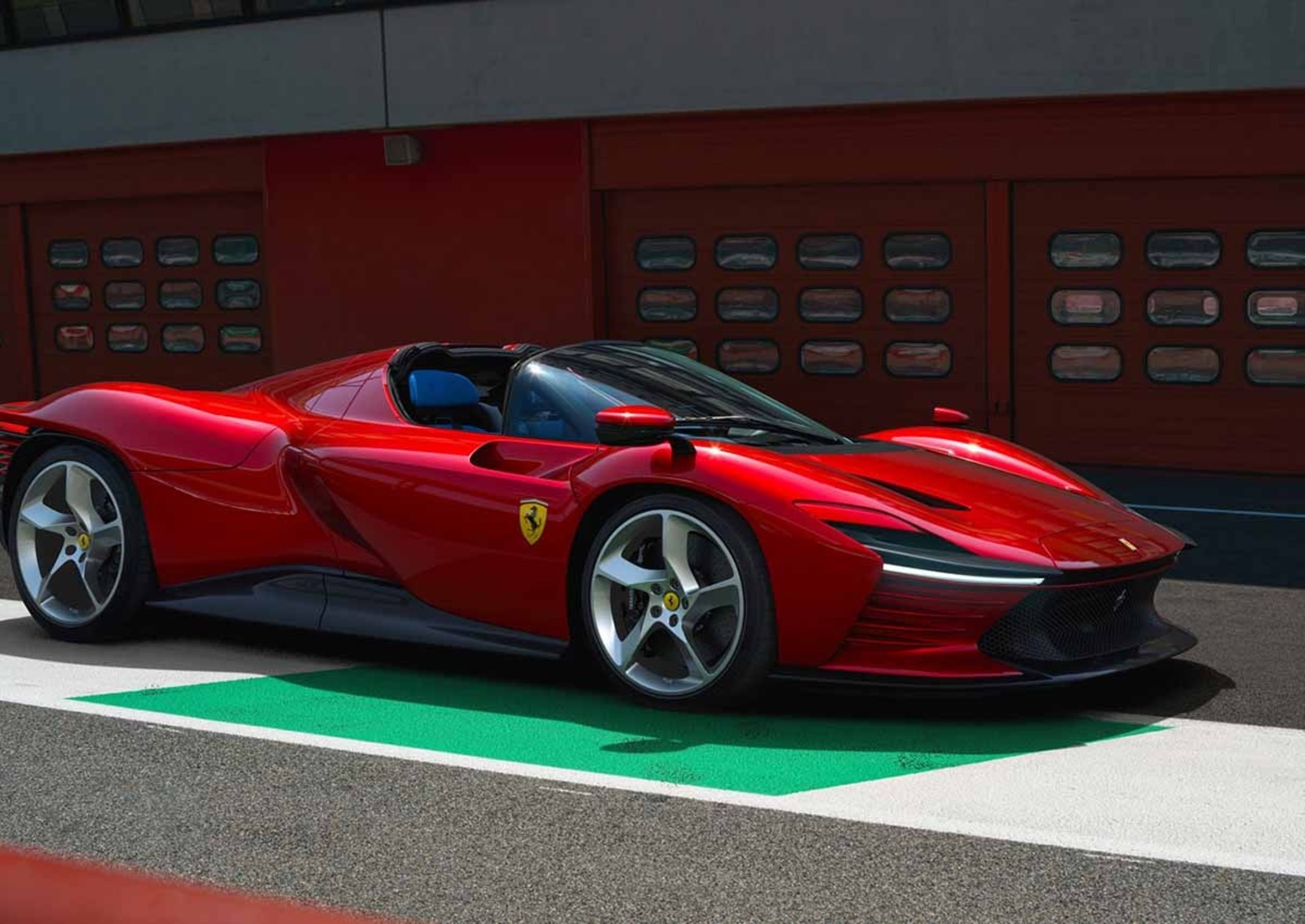


Ferrari Delays Until 2028 Its Production Electric Supercar Because Millionaire Clients Still Prefer Powerful And Loud Internal Combustion Engines
Ferrari is preparing for a historic milestone this fall: the debut of its first fully electric car. The model, however, will be produced in limited quantities, functioning more as a technological laboratory than as a large-scale bet.
The real turning point was scheduled for the coming years, with the arrival of a second electric car, designed to permanently join the brand’s main line.
This Cavallino was supposed to follow the path of models like the SF90 Stradale, the 296 GTB, or the Roma.
-
Chevrolet’s Parent Company to Invest Billions in Brazil to Modernize Factories, Update Cars, and Accelerate Hybrid Launch by 2028

-
Practical Driving Tests in Brazil Surge by 23.5%, Exceeding 2.2 Million by 2026, as New Rules Make the Process Cheaper and Simpler
-
Brazil’s Lula Government Allocates $463 Million Quota for Electric Car Parts, Waives Import Tax Until December, Sparking Competition Among BYD, Automakers, and Unions as Consumers Question Impact on Prices and Local Industry

-
Thinking of Installing LED Headlights? Why Replacing Halogen Bulbs is Still Banned, the Glare Risks Authorities Worry About, and How a New Proposal Could Allow Certified, Safe Installations


However, the manufacturer from Maranello decided to postpone its plans. The second electric model is not expected to launch before 2028.
What Motivated Ferrari’s Decision
The main reason lies in the low demand for high-performance electric supercars. Ferrari itself admits that the final say belongs to the customer, and buyers of luxury brands have yet to show interest in abandoning gasoline engines.
Ferrari’s CEO, Benedetto Vigna, stated in 2023 that the company sells “emotions, not technology.”
This statement reinforces that the emotional appeal of a loud and commanding engine outweighs electric efficiency.
Moreover, the opinion of Maté Rimac, who is responsible for the electric sports car Nevera, confirms this trend.
He stated that “the wealthy want gasoline cars,” and sales of the model proved the difficulty: the estimated production of 150 units fell short of being achieved.
Numbers And Profits Of Ferrari
The decision to delay does not mean a lack of financial strength. Quite the opposite.
In 2024, Ferrari reported record profits, exceeding 1.5 billion euros. The forecast for 2025 indicates an even higher result, reaching 2.68 billion in operational profit.
Therefore, the company has room to postpone launches and wait for the ideal moment, without immediate pressure.
First Electric Ferrari Will Be A Showcase
The first zero-emission model, expected this fall, is projected to cost around 500,000 euros. It will be part of the Special Series, with a very limited production run, serving as a starting step.
The initial idea was to reveal the second electric model soon after, consolidating the path of electrification. But sources linked to the company confirmed to Reuters that this will not happen.
The Appeal Of Internal Combustion Engines
Millionaire clients value more than just performance. They want the sound and presence of combustion engines.
The success of the Purosangue, an SUV equipped with a V12 engine, shows this exactly. Unlike an electric bet, the model shone in sales precisely for offering what the audience in this niche desires.
The Battery Challenge
Another obstacle lies in technology. Luxury brands need to deliver power without compromising drivability.
But batteries are still too heavy. To achieve performance similar to traditional engines, it would be necessary to employ multiple power units, which would make the car less competitive.
Porsche is facing a similar difficulty. The 718 line is expected to become fully electric, but the project has already been revised several times due to challenges related to batteries. The timeline remains undefined.
Thus, Ferrari’s delay follows the same logic: waiting until the technology can deliver performance up to the brand’s tradition.
Other Brands Also Delay
Ferrari is not alone. Lamborghini has already warned that its first 100% electric model won’t arrive before 2029.
Maserati, in turn, canceled the project for an electric version of the MC20, called Folgore, due to low sales expectations.
These examples show that for luxury manufacturers, total electrification is still not a priority. They prefer to wait rather than risk millions in a market that may not respond.
Exception To The European Rule
The European Union has defined that starting in 2030, only electric cars can be sold. However, brands like Ferrari are seeking to fit into exceptions.
With limited production and demanding clients, supercars may end up gaining different rules, preserving internal combustion engines for longer.
The first electric Ferrari will be a symbolic step, but not an immediate revolution. The truly important Cavallino, capable of running on a larger scale, is not expected to hit the streets until 2028.
Until then, Ferrari maintains its identity, betting on engines that roar loudly because that is what its clients still want to hear.
With information from Xataka.