





 Portuguese
  English
  Spanish
  6 min of reading
  1 comment


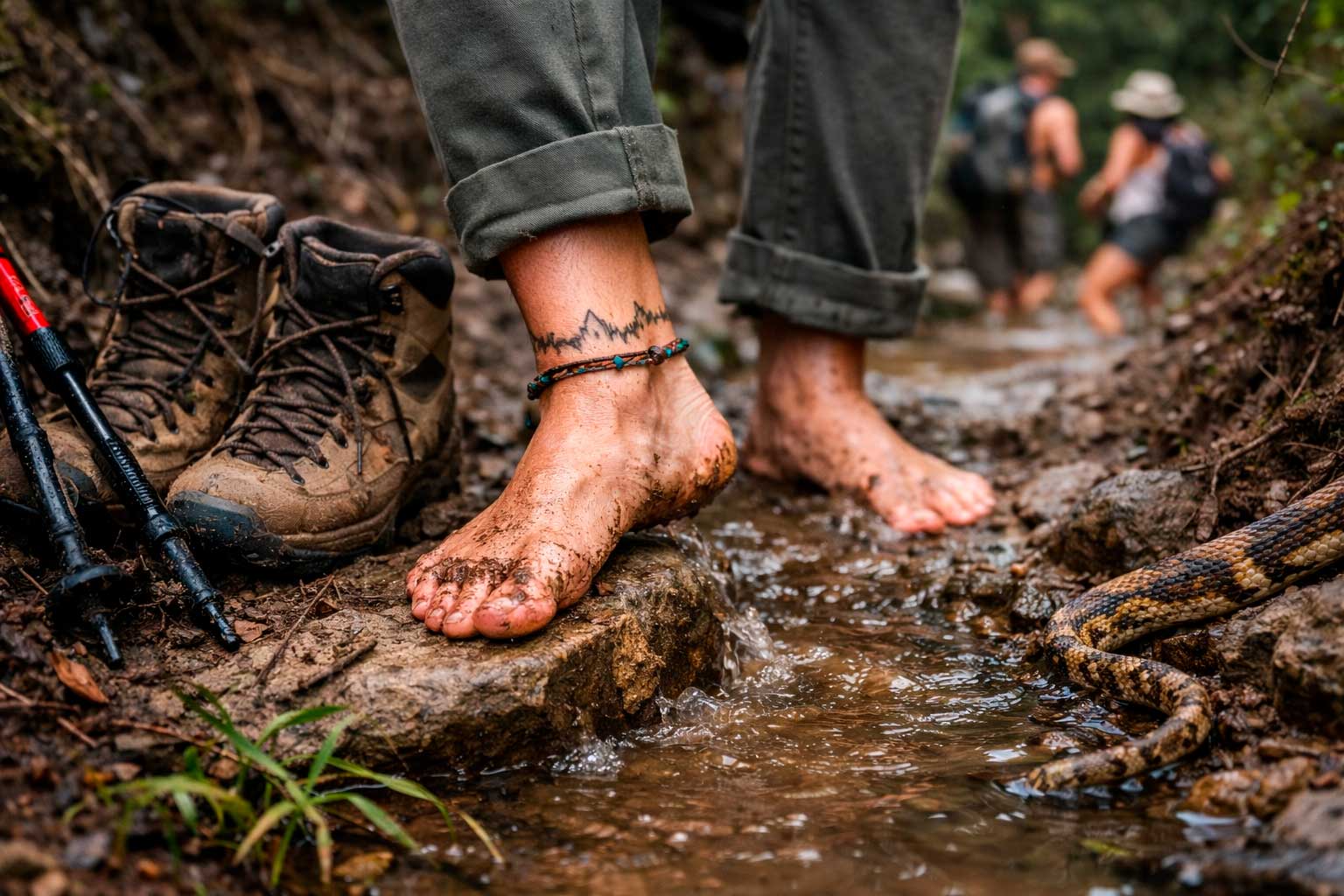


At the moment when trail running shoes reach their technical peak and become a symbol of urban style, a trend that bets on the opposite grows in the mountains and parks. Barefoot hiking, once marginal, is advancing among practitioners, inspiring public policies, and reigniting a real debate about biomechanics, foot health, and wellness exaggerations.
The hiking footwear industry spent years promising more cushioning, more traction, more stability, and more protection. At the same time, the technical look of gorpcore has left the trails and entered cafes, urban centers, and the wardrobes of those who may never have faced a real ascent.
However, far from the asphalt and the showcase, the movement that is now attracting the most attention points in the opposite direction. Instead of seeking the most robust shoe on the market, some hikers have begun to advocate for barefoot hiking as a way to better feel the terrain, activate the muscles of the feet, and regain a more direct relationship with nature.
In a report published by The Guardian, Australian researcher Gen Blades reported that she took off her boots during a crossing on the Namsan Dulle-gil trail in Seoul after finding a stretch of wet clay prepared for this type of experience. This case helps explain why the practice has ceased to seem eccentric and has begun to be treated as a global trend.
-
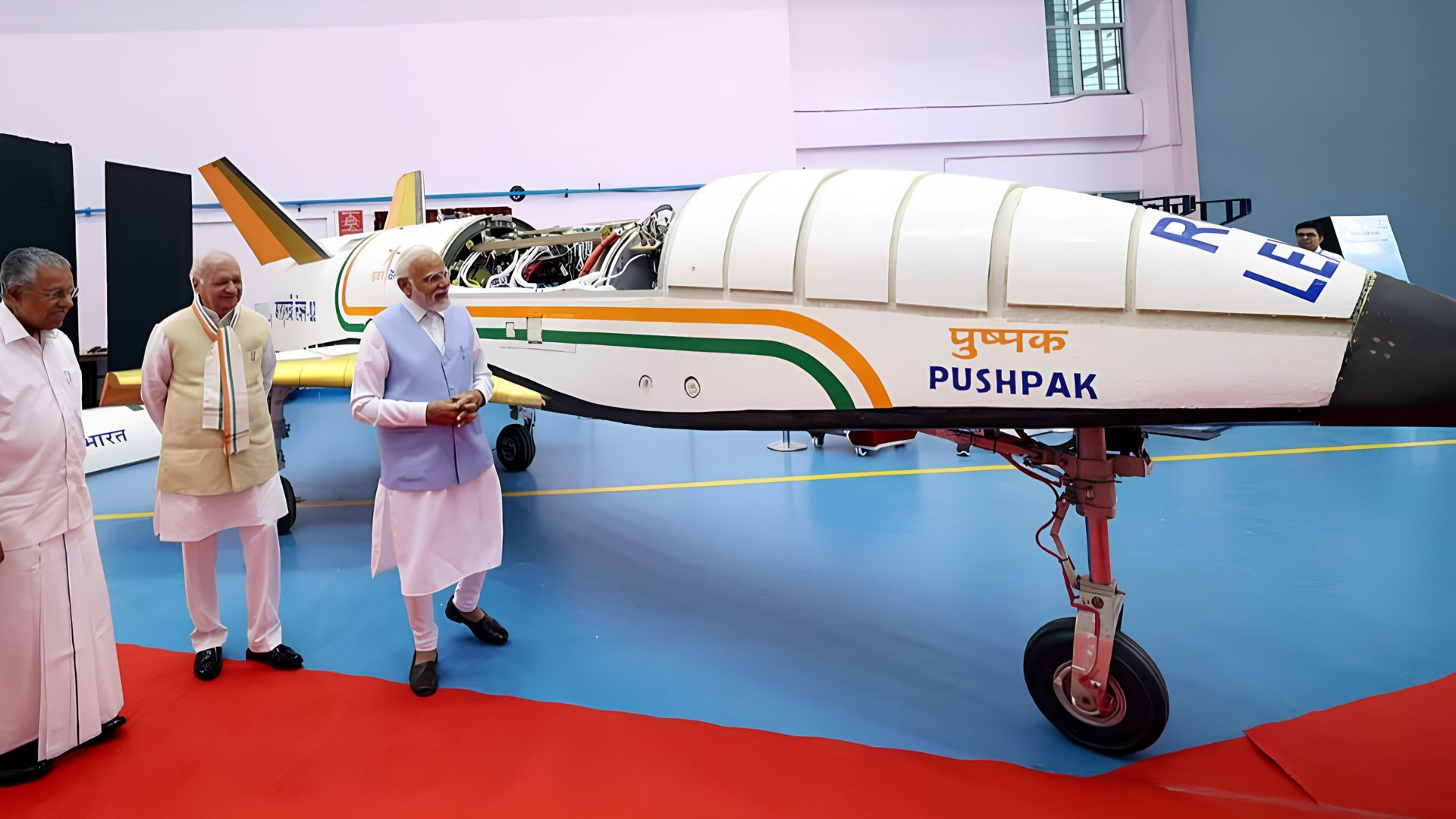
While the United States and China compete over giant rockets and lunar bases, India made a “spaceplane” land on its own at over 320 km/h after being released by a helicopter at an altitude of 4.5 km; Pushpak shows that New Delhi also wants to enter the era of reusable space vehicles.

-
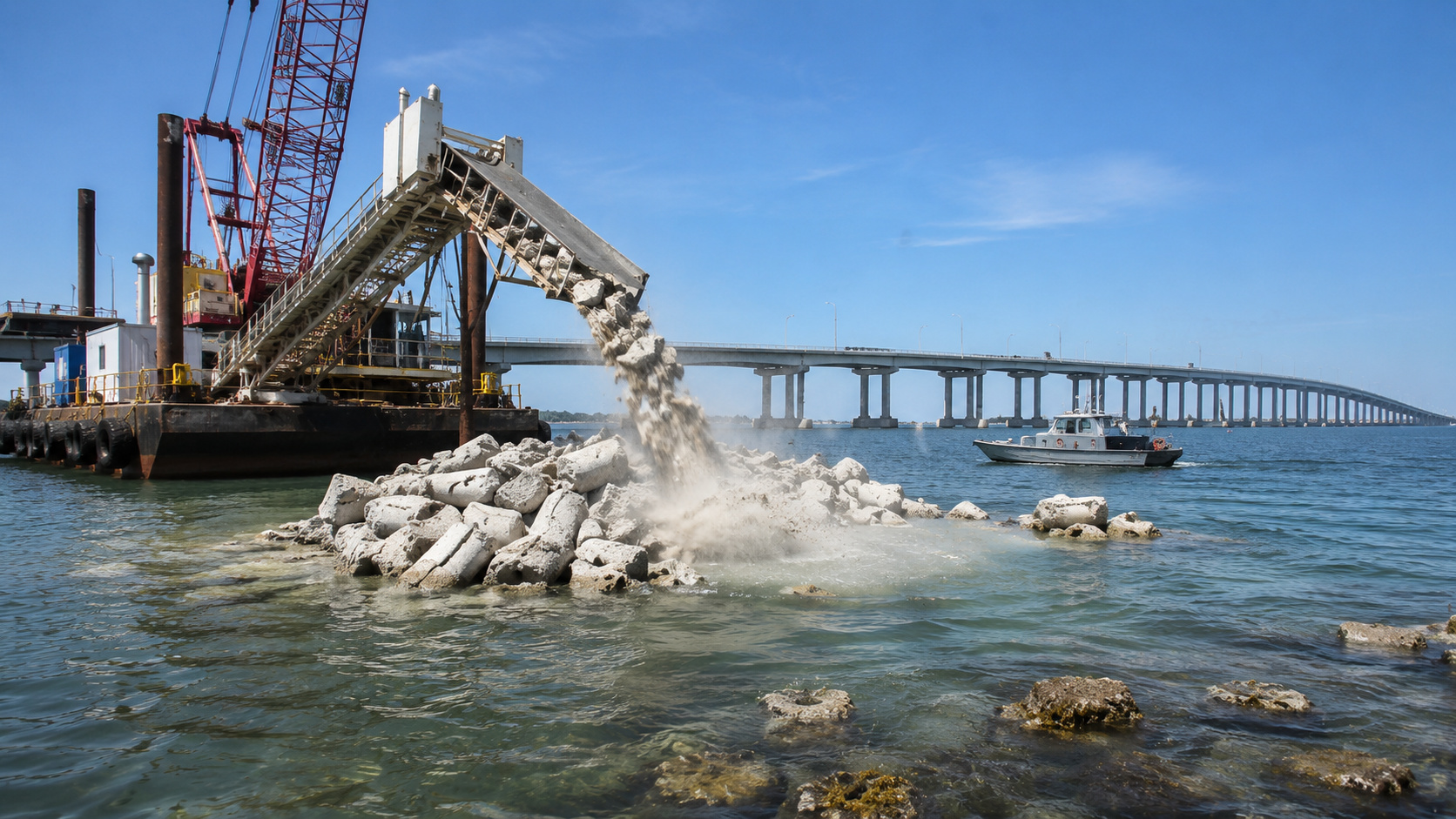
Virginia engineers transform 100,000 tons of demolished concrete from the Hampton Roads bridge into artificial reefs in the Chesapeake Bay, turning the debris from a mega-construction project into marine shelter while the old structure was still being dismantled.

-
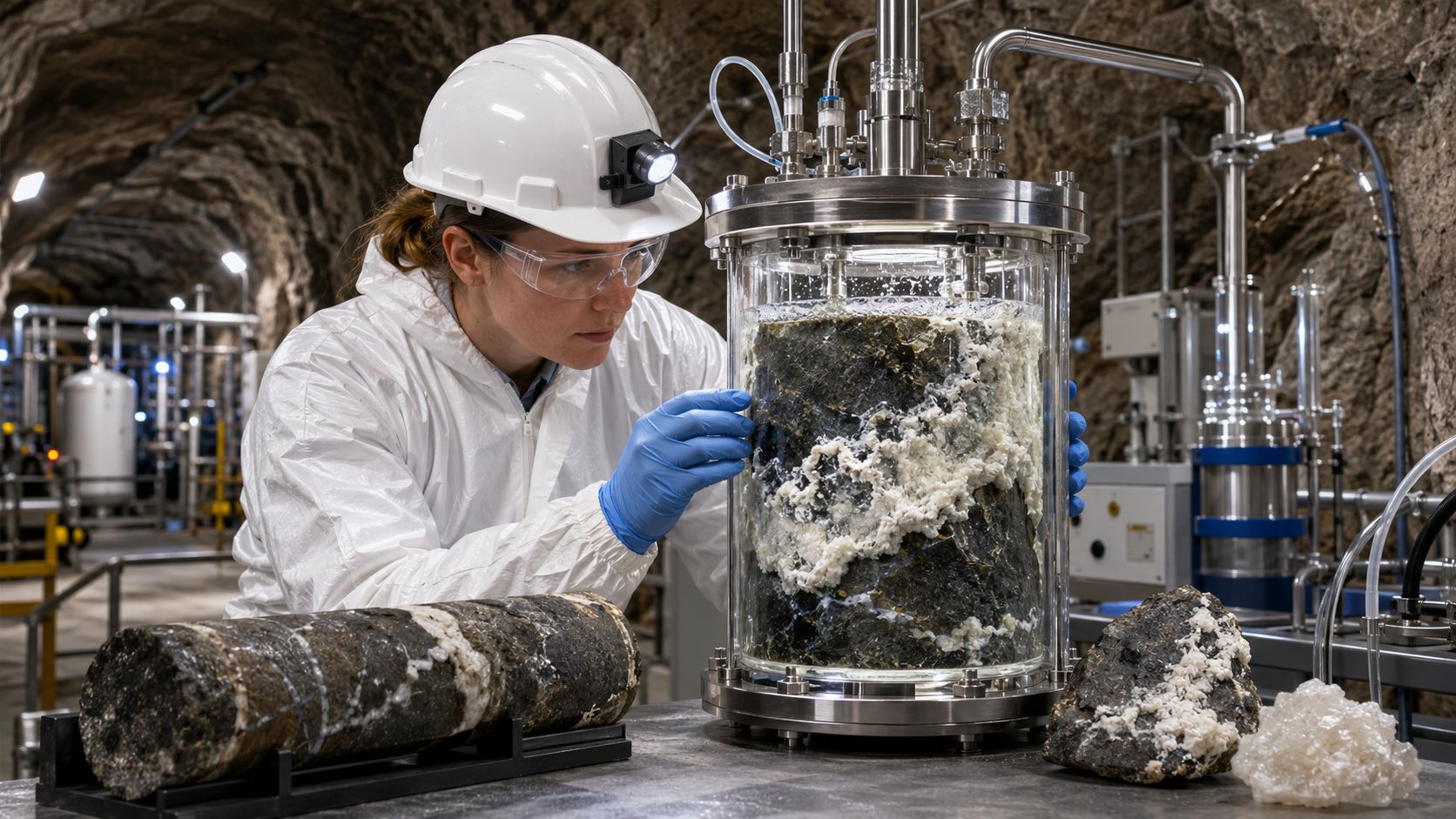
Researchers in South Dakota are studying microbes found in an extreme underground environment, more than 1,200 meters deep, capable of accelerating the conversion of CO₂ into solid minerals in weeks, with potential applications in power plants, factories, and construction materials.
-
Goodbye electric heater? Invention with recycled cans and solar energy heats the house without using electricity, costs less than R$ 80 to assemble, and uses dozens of black-painted cans to generate heat in winter.

The most curious point is the paradox. While the city dresses as if ready for an alpine expedition, the real trails are starting to discuss whether the future of hiking lies in less technology on the feet, not more.
Barefoot hiking leaves the niche and enters the center of the debate
The reports circulating today no longer come only from isolated practitioners. In the same report, Australian Dale Noppers shared that he has been hiking barefoot for about seven years and now tackles routes of up to seven hours in areas with mud, rocky inclines, and gravel, while Uralla Luscombe-Pedro describes the feet as sensory organs capable of enhancing the perception of the environment.
Europe has been testing this logic for decades on another scale. Germany has consolidated the so-called barefoot parks, recreational spaces created to make visitors walk on sand, gravel, mud, wood, water, and other types of soil, almost always with a therapeutic or educational proposal.
In Bad Sobernheim, one of the most well-known examples in the country, the official route spans 3.5 kilometers over various natural surfaces. In Egestorf, the park features 60 stations for families, seniors, and school groups, indicating that the practice has moved away from its radical image and entered the realm of experiential tourism.
South Korea Transforms Barefoot Fashion into Public Policy

While in Europe the proposal still sounds recreational, in South Korea, barefoot walking has become almost urban infrastructure. The Ministry of Culture, Sports and Tourism of the country states that the red clay trail of Gyejoksan in Daejeon is considered the origin of this modern craze and highlights that the route reaches 14.5 kilometers, the longest of its kind in the country.
The advancement has not been limited to tourist curiosity. An academic study published in 2024 in the journal Sustainability recorded that many local South Korean governments approved regulations to include barefoot trails in parks, reinforcing the institutional expansion of the movement.
This support is already mobilizing public funds on a large scale. According to the Korea JoongAng Daily, the government of Seongnam spent 3.45 billion won in 2023 to build six red clay trails and allocated an additional 3.5 billion won for 2024, with new extensions and new sections.
The popularization has also brought signs of excess. South Korean reports and studies on the trend note that the enthusiasm surrounding the topic has spread along with broad claims of healing and well-being, which helps explain why the practice has come to be treated as both a cultural phenomenon and a public health and environmental management issue.
What Biomechanics Really Suggests for Foot Health
The central idea of advocates for barefoot walking is that, without the mediation of rigid or heavily cushioned footwear, the body receives more information from the ground. Podiatrist George Murley told The Guardian that the feet are among the most sensitive parts of the body and that the absence of a soft barrier can improve balance and coordination, provided there is adaptation.
From an anatomical perspective, it is not difficult to understand why the discussion has gained traction. The human foot is a complex structure, with more than 26 bones, 30 joints, and numerous tendons, ligaments, and muscles, designed precisely to support the body and adapt to uneven terrain.
The industry itself has responded to this reasoning with minimalist footwear. Experts explain that models called zero drop keep the heel and forefoot at the same level, while barefoot shoes further reduce interference with a thin sole, greater flexibility, and ample space for the toes, attempting to mimic the foot’s natural mechanics.
There are signs that this approach may strengthen muscles in some cases. A 2021 study in Scientific Reports found an average increase of 57.4% in foot strength after six months of daily activity with minimalist footwear, a result that supports the argument that not all extra protection means better performance.
Where the benefit ends and the exaggeration of earthing begins
The problem begins when reasonable biomechanics mix with overly broad promises. In South Korea, oncologist Ahn Hee-kyung from Gachon University Gil Medical Center stated that there is no solid medical evidence for the health effects attributed to earthing, the more popular name for the practice when marketed as treatment.
The criticism does not come only from clinical medicine. On the Science-Based Medicine portal, neurologist Steven Novella classified earthing as yet another dubious medical claim exploiting weaknesses in the scientific debate, which helps to curb the narrative that walking barefoot would neutralize diseases or offer almost miraculous benefits.
This does not mean that the practice needs to be completely discarded. It simply means that walking barefoot is not a universal remedy and can pose risks of cuts, infections, and overload for those transitioning without preparation, especially on hard surfaces or for people with deformities, neuropathies, and a history of injury.
The market responded by creating a middle ground between protection and freedom
The footwear sector quickly understood that there was space between the heavily cushioned boot and the completely bare foot. Therefore, the growth of minimalist and zero-drop models became a sort of peace agreement between those seeking more ground sensitivity and those who do not want to give up some protection.
Still, the most consistent recommendation is for gradual transition. Murley himself talks about treating the process almost like a gym for the feet, and specialists from Novant Health warn that sudden changes can increase the risk of stress fractures and tendinitis.
In the end, what this trend reveals is less a complete rejection of technology and more a course correction. After pushing cushioning to the limit, the market and practitioners seem to be rediscovering that walking well may depend less on extra layers between the body and the ground, and more on understanding when to protect the foot and when to let it work.
If this wave represents biomechanical freedom or just another exaggeration of well-being packaged as a definitive solution, the debate is far from over. And it is precisely here that the controversy may divide hikers, doctors, and consumers in the coming years.
Would you tackle a trail barefoot or do you think that has crossed the line of common sense? Leave your comment and let us know if this new craze represents a real advancement for foot health or just another extreme trend sold as a revolution.


Everyone wears trail runners now, nobody gives a f*** about Danners or barefoot