Portuguese
  Spanish



The right tire pressure affects safety, fuel consumption, and the lifespan of the car. See how to find the ideal value and avoid common calibration mistakes.
The right tire pressure is one of the most important factors to ensure safety, economy, and performance while driving, yet it is still ignored by many drivers who use standard values. The correct number varies according to the car, the type of tire, and the load being carried, being defined by the manufacturer and indicated on the vehicle itself.
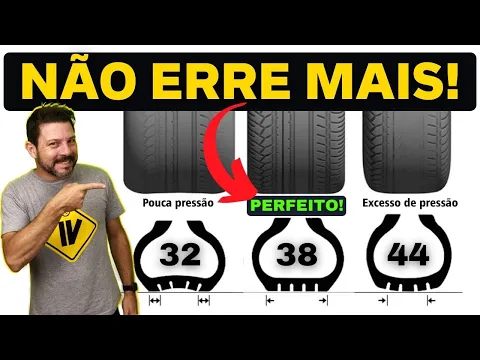
Even so, old habits like always calibrating to 32 PSI remain common. This mistake can compromise stability, increase fuel consumption, and accelerate tire wear. Therefore, understanding where to find and how to apply the correct calibration is essential to avoid risks and unnecessary expenses.
The right tire pressure directly affects safety and braking
Maintaining the right tire pressure is essential for the car’s behavior in critical situations. Small variations can already cause significant impacts. A significant difference can increase braking distance and reduce control in curves. In emergencies, this can make all the difference.
-
Chevrolet’s Parent Company to Invest Billions in Brazil to Modernize Factories, Update Cars, and Accelerate Hybrid Launch by 2028

-
Practical Driving Tests in Brazil Surge by 23.5%, Exceeding 2.2 Million by 2026, as New Rules Make the Process Cheaper and Simpler
-
Brazil’s Lula Government Allocates $463 Million Quota for Electric Car Parts, Waives Import Tax Until December, Sparking Competition Among BYD, Automakers, and Unions as Consumers Question Impact on Prices and Local Industry

-
Thinking of Installing LED Headlights? Why Replacing Halogen Bulbs is Still Banned, the Glare Risks Authorities Worry About, and How a New Proposal Could Allow Certified, Safe Installations


When the right tire pressure is not respected, the car requires more effort from the engine. This happens mainly with deflated tires. The result is increased fuel consumption over time. Therefore, calibrating correctly is also a way to save.
Irregular wear
The absence of the right tire pressure directly affects the durability of the rubber. Wear begins to occur unevenly. With low pressure, the sides wear out more. With high pressure, the center of the tire is the most affected.
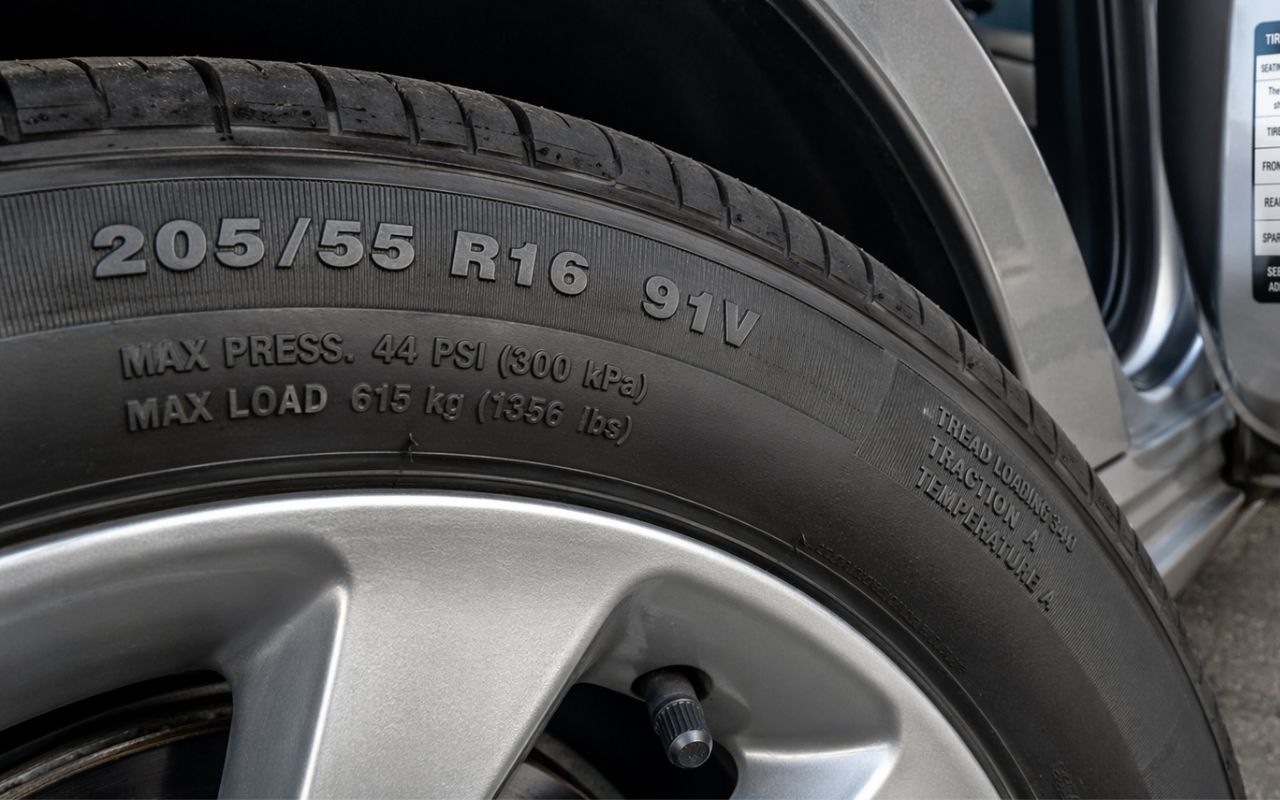
One of the biggest mistakes is using the number printed on the tire as a reference. This value does not indicate the right tire pressure for daily use. In fact, it represents only the maximum limit supported. Using it can harm grip and safety.
Where to find the right tire pressure on the vehicle?
The correct way to find out the right tire pressure is to consult the car itself. The information is provided by the manufacturer. Generally, it is on the driver’s door label or in the owner’s manual. This data considers all the characteristics of the vehicle.

The correct tire pressure varies according to load and use
The ideal calibration changes depending on the situation. The correct tire pressure for urban use is not the same as for a trip. With the car loaded, the manufacturer recommends increasing the pressure within safe limits. This improves stability and reduces wear.
Even though the manufacturer’s recommendation is always the most accurate, some average values can serve as a starting point to understand the correct tire pressure.
In general, vehicles with smaller wheels, such as 13 and 14 inches, usually operate in the range of 30 to 32 PSI. Models with 15-inch wheels typically require between 32 and 35 PSI.
For cars with 16-inch wheels, the calibration tends to be close to 35 PSI. Meanwhile, SUVs and utility vehicles, being heavier, generally operate between 34 and 36 PSI.
Calibration should be done with cold tires. This ensures that the correct tire pressure is measured accurately. During use, heat naturally increases the internal pressure. Therefore, calibrating after driving can lead to errors.
Common mistakes when ignoring the correct tire pressure
In addition to using fixed values, some habits hinder maintenance. One of them is forgetting to check the spare tire. Another mistake is not resetting the pressure monitoring system after calibration. These details affect the vehicle’s safety.
Driving without the correct tire pressure does not only affect the tires. Suspension components are also impacted. Shock absorbers and bushings operate outside ideal conditions. This can lead to premature wear and extra costs.

The habit of using fixed numbers arose when cars were simpler. Today, with heavier vehicles and modern tires, the reality has changed. Therefore, the correct tire pressure has started to vary according to the design of each model. Ignoring this means driving outside the ideal standard.
Maintaining the correct tire pressure is a quick and accessible task. Still, it makes a big difference in daily life. Following the manufacturer’s recommendation ensures more safety, savings, and a longer lifespan for the tires.
With information from Revista Oeste
“`