Portuguese
  Spanish


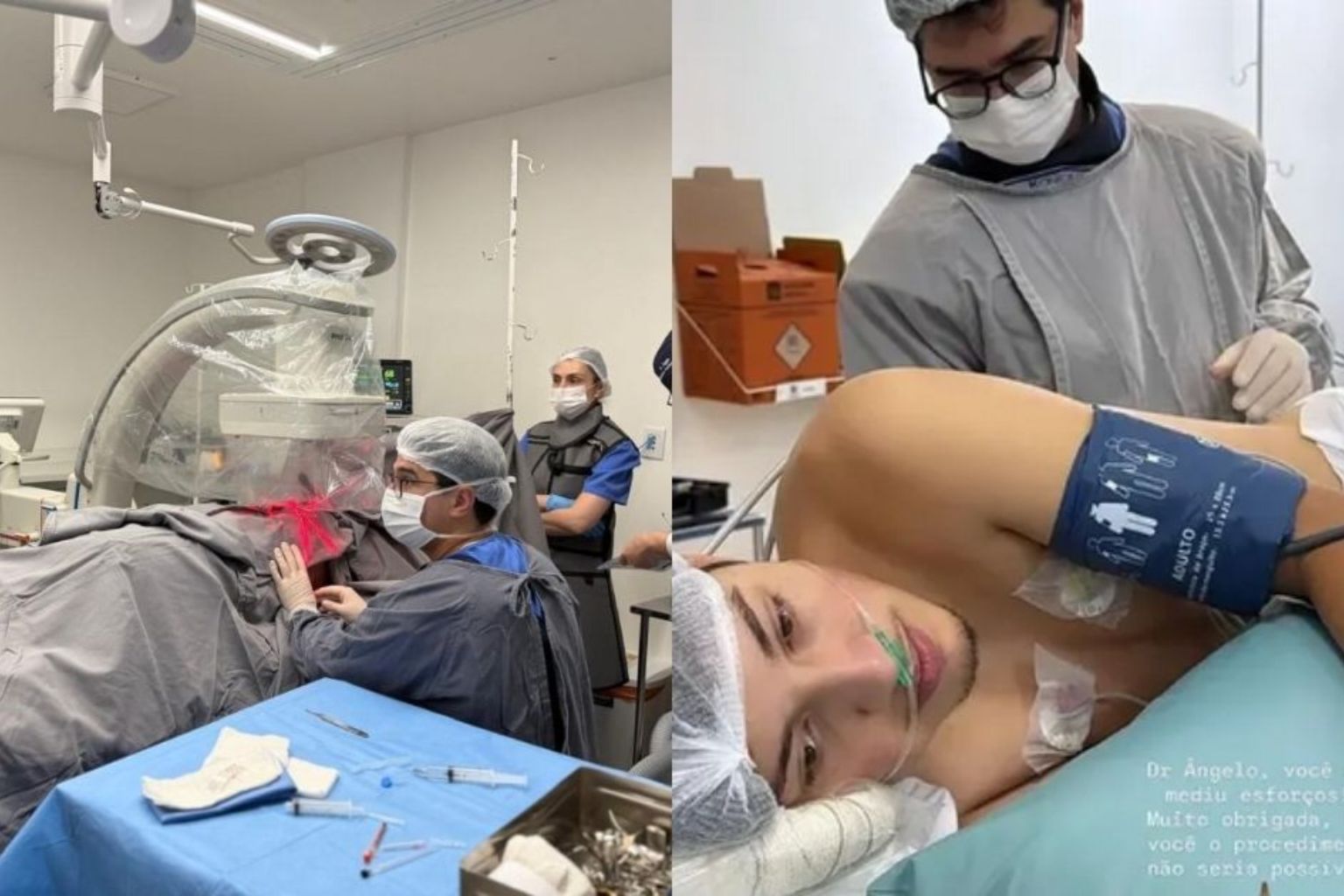


The young Cauan de Lima, 20 years old, from Três Barras (SC), became paraplegic after a motorcycle accident on Christmas Eve and received an application of polylaminin at Hospital Dom Joaquim in Sombrio. Days later, he is already moving his feet, a result that the physiotherapist described as “chilling.” The treatment with polylaminin is still experimental and depends on authorization from Anvisa.
The young Cauan de Lima, 20 years old, a resident of Três Barras, in northern Santa Catarina, became paralyzed from the waist down after a serious motorcycle accident on Christmas Eve last year. Diagnosed with complete spinal cord injury, he had no sensation and could not move his legs. About a week ago, Cauan received an application of polylaminin at Hospital Dom Joaquim in Sombrio, and the first signs of recovery have already begun to appear: the young man was able to move his feet, a result that the physiotherapist Veridiane Nayzer, who is following the case, described as “chilling.” Polylaminin is an experimental substance that has been gaining attention for promising results in the regeneration of nerve connections compromised by spinal cord injuries.
Cauan’s case is not isolated. Since March, Hospital Dom Joaquim has already performed four applications of polylaminin under the responsibility of doctor Angelo Formentin, and another patient, Kauan Lori Toledo de Aguiar, 24 years old, a resident of Imbituba, also underwent the procedure on the same day. Young Eduarda Atkinson, another case of spinal cord injury treated with polylaminin in Santa Catarina, posted a video on social media showing her moving one of her legs nine days after the application, moving her followers. The results are encouraging, but it is important to emphasize that polylaminin is still in the research phase and depends on authorization from the National Health Surveillance Agency for widespread use in patients.
The accident that left Cauan paralyzed and the search for polylaminin

According to information from the portal ndmais, the accident occurred on Christmas Eve, in the Vila Nova neighborhood, in Três Barras. Cauan was found by firefighters lying by the roadside, conscious but disoriented, with abrasions on his legs, suspected fracture in the right knee, and signs of spinal injury that were later confirmed. Still at the scene, the teams performed stabilization of the cervical spine and immobilization for transport. At the hospital, the diagnosis was complete spinal cord injury, which left him without sensation and without movement from the waist down.
-
Mother discovers she may have won £12 million in the lottery but faces an agonizing wait after the shopkeeper threw the ticket in the trash.

-
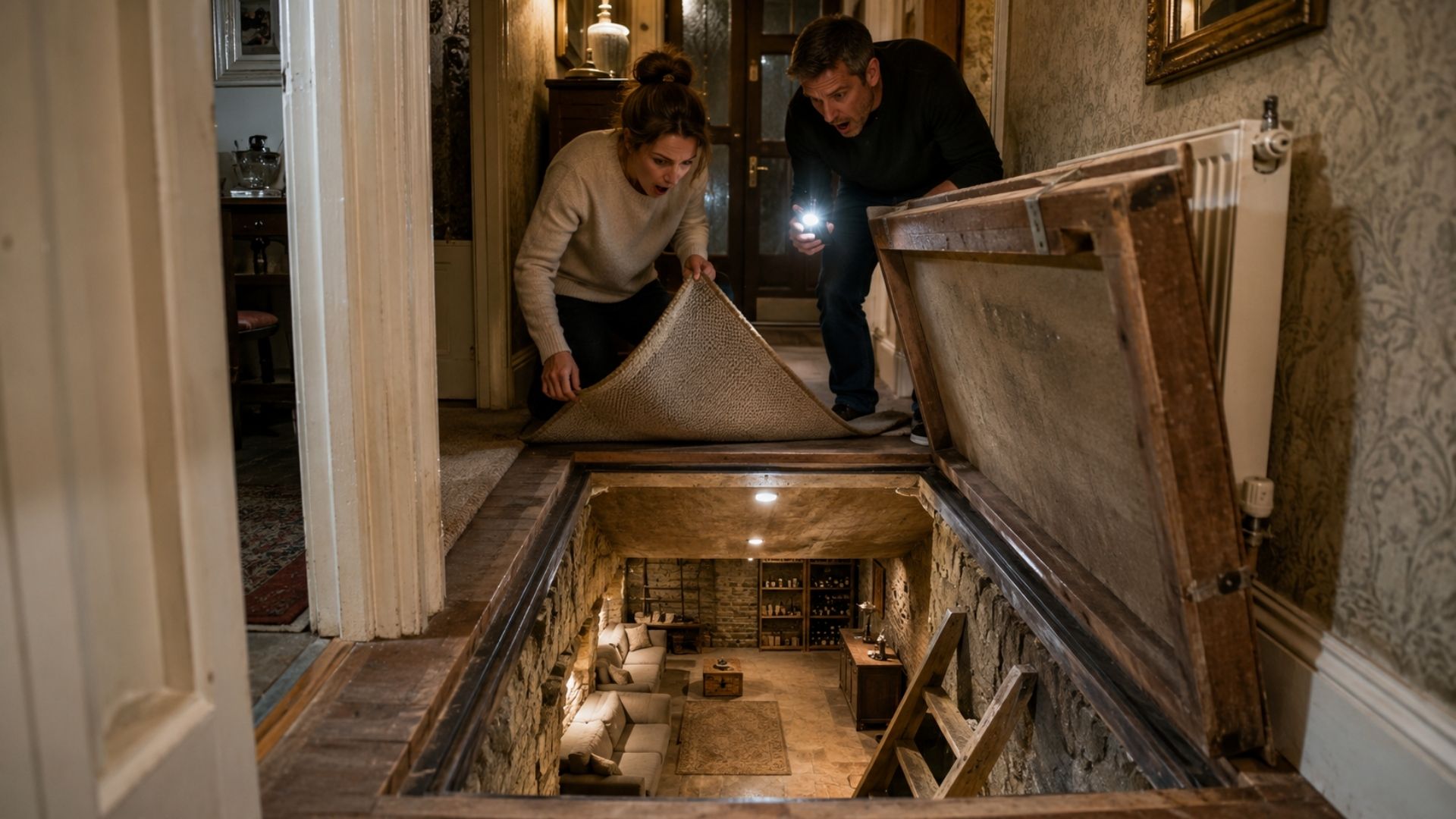
A couple bought a house in Sheffield and, when removing the carpet from the hallway, found a trapdoor leading to a secret 23 m² basement with a 2-meter ceiling height, a discovery that eliminated the need for an expensive extension and, according to them, added £70,000 to the property’s value.

-
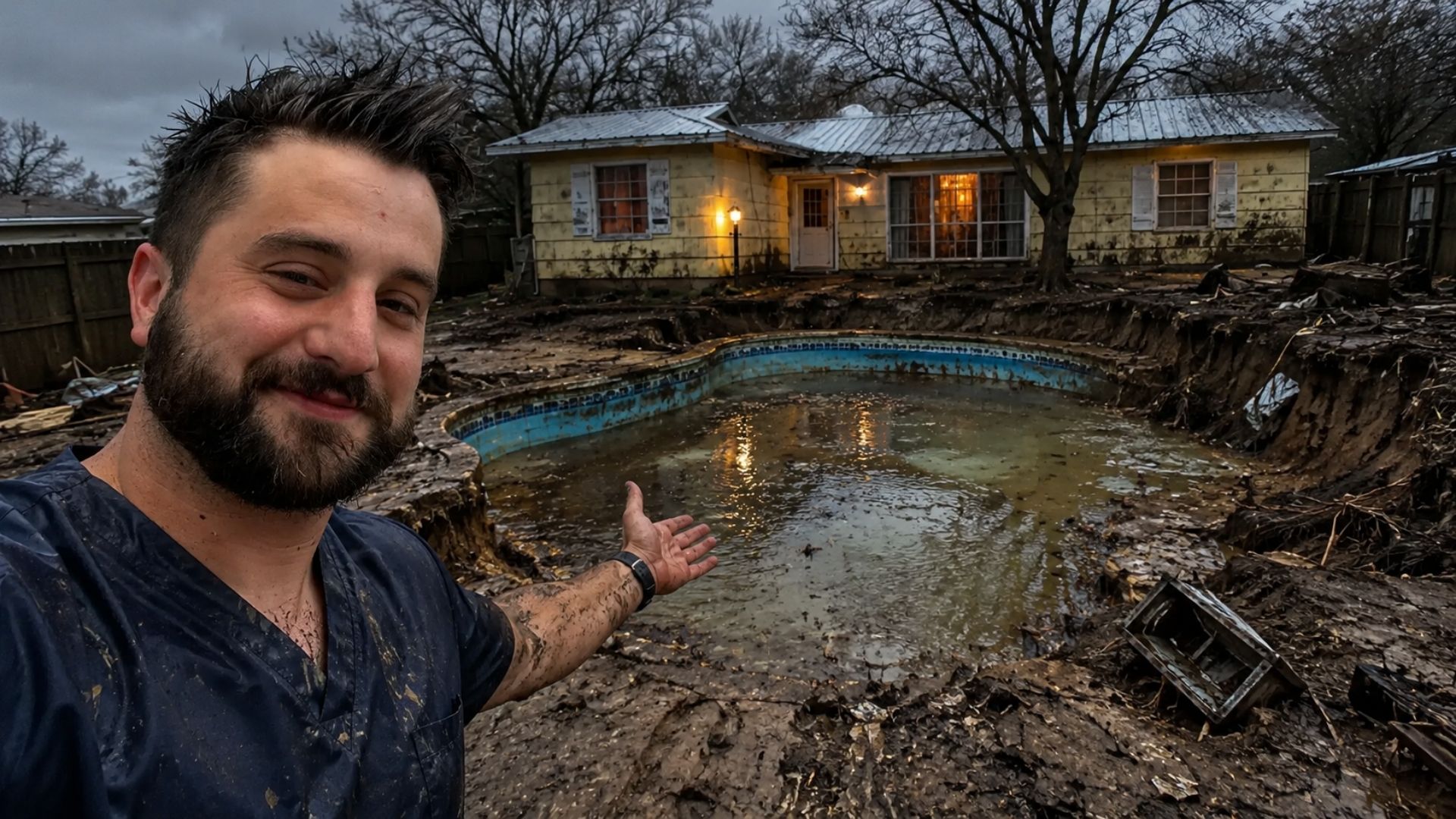
A nurse bought for 20,000 a 1955 house abandoned by a hoarder in Texas, and months later, rain revealed a buried pool in the backyard valued at $160,000, which he restored himself for about $10,000, a fraction of the cost of building a new one.
-
The United Kingdom is transforming dog feces left on trails into gas to light a streetlamp through an unlikely and surprising project that shows how even one of the most rejected wastes in cities can generate energy.


After stabilization surgery at Hospital São Vicente in Mafra, the family began to seek alternatives. Physiotherapist Veridiane Nayzer contacted medical teams and discovered the treatment with polylaminin, which was initially indicated only for patients with up to 72 hours of injury. Cauan had already been a month with the injury, outside the initial criteria. Even so, Veridiane did not give up: she contacted a team from Rio de Janeiro, discovered that she would need a medical recommendation, and found the first record of polylaminin application in Sombrio, which paved the way for the treatment.
How polylaminin works and why it generates so much hope
Polylaminin is produced in a laboratory from the protein laminin and applied directly to the spinal cord. The goal is to stimulate the regeneration of nerve connections that were compromised by the injury, creating a favorable environment for nerve cells to rebuild the communication pathways between the brain and the parts of the body below the injury point. In simple terms, polylaminin tries to fix the “wiring” that was broken when the spinal cord was damaged.
The mechanism is promising because the spinal cord, unlike other tissues in the body, has very limited capacity for natural regeneration. Complete spinal cord injuries like Cauan’s typically result in permanent paralysis, and until recently, there was no treatment capable of significantly reversing this condition. Polylaminin represents one of the few lines of research that shows results in human patients, although it is still far from being considered a consolidated treatment by the medical community.
The first results of polylaminin in Cauan and other patients
The signs of recovery observed in Cauan a few days after the application of polylaminin are considered remarkable by the team that follows him. Being able to move his feet after a diagnosis of complete spinal cord injury is a surprising result, especially considering that the young man had been paralyzed for months. Physiotherapist Veridiane reported the moment with emotion, saying that “it’s spine-chilling” to see the first movements returning.
The case of Eduarda Atkinson reinforces the trend. Nine days after receiving polylaminin, Eduarda posted a video on social media in which she moves one of her legs, a record that moved followers and increased the visibility of the experimental treatment. The two cases, along with those of other patients who underwent the procedure in Sombrio, form a set of anecdotal evidence that encourages families of people with spinal cord injuries, although science requires larger controlled studies before confirming the efficacy of polylaminin.
The path that Cauan’s family took to reach polylaminin
The journey of Cauan’s family to treatment reveals both the determination of those involved and the barriers surrounding an experimental procedure like polylaminin. Physical therapist Veridiane shares that the family sought her out in January, and together they began to search for information about the study, initially finding the limitation that the treatment was aimed at patients with up to 72 hours of injury, a deadline that Cauan had already surpassed by weeks.
The solution came from persistence. Veridiane found doctor Angelo Formentin on Instagram, sent a message explaining Cauan’s case, forwarded the necessary documentation, and obtained approval for the procedure with polylaminin. “I sent him a message on Instagram and talked about Cauan’s case. The doctor requested the documentation. I sent it, he moved forward with the process, and it happened,” recounts the physical therapist. The story shows that, in a field where formal channels for access to experimental treatments are still limited, individual initiative can make the difference between having or not having the chance for a procedure.
What still needs to happen for polylaminin to no longer be experimental
Despite the encouraging results, polylaminin is still in the research phase and cannot be treated as a cure for spinal cord injuries. The treatment depends on authorization from Anvisa for expanded use and needs to undergo controlled clinical studies that demonstrate efficacy and safety in larger patient samples, with long-term follow-up. The cases of Cauan, Eduarda, and other patients treated in Sombrio are encouraging, but medical science requires more evidence before validating any treatment as standard.
For families of people with spinal cord injuries, polylaminin represents something that not long ago seemed impossible: a real chance of recovery. Videos of patients moving their feet and legs after years or months of paralysis circulate on social media with thousands of shares, creating expectation and pressure for broader access to treatment. The balance between hope and caution is delicate: moving too fast can put patients at risk, but waiting too long can deny opportunities to those who do not have time to wait for the normal pace of scientific research.
A young man who was paralyzed received polylaminin in Santa Catarina and is already moving his feet. Do you believe this treatment can change the lives of thousands of people with spinal cord injuries? Do you know someone who would benefit from this research? Leave your opinion in the comments.