






 Portuguese
  Spanish


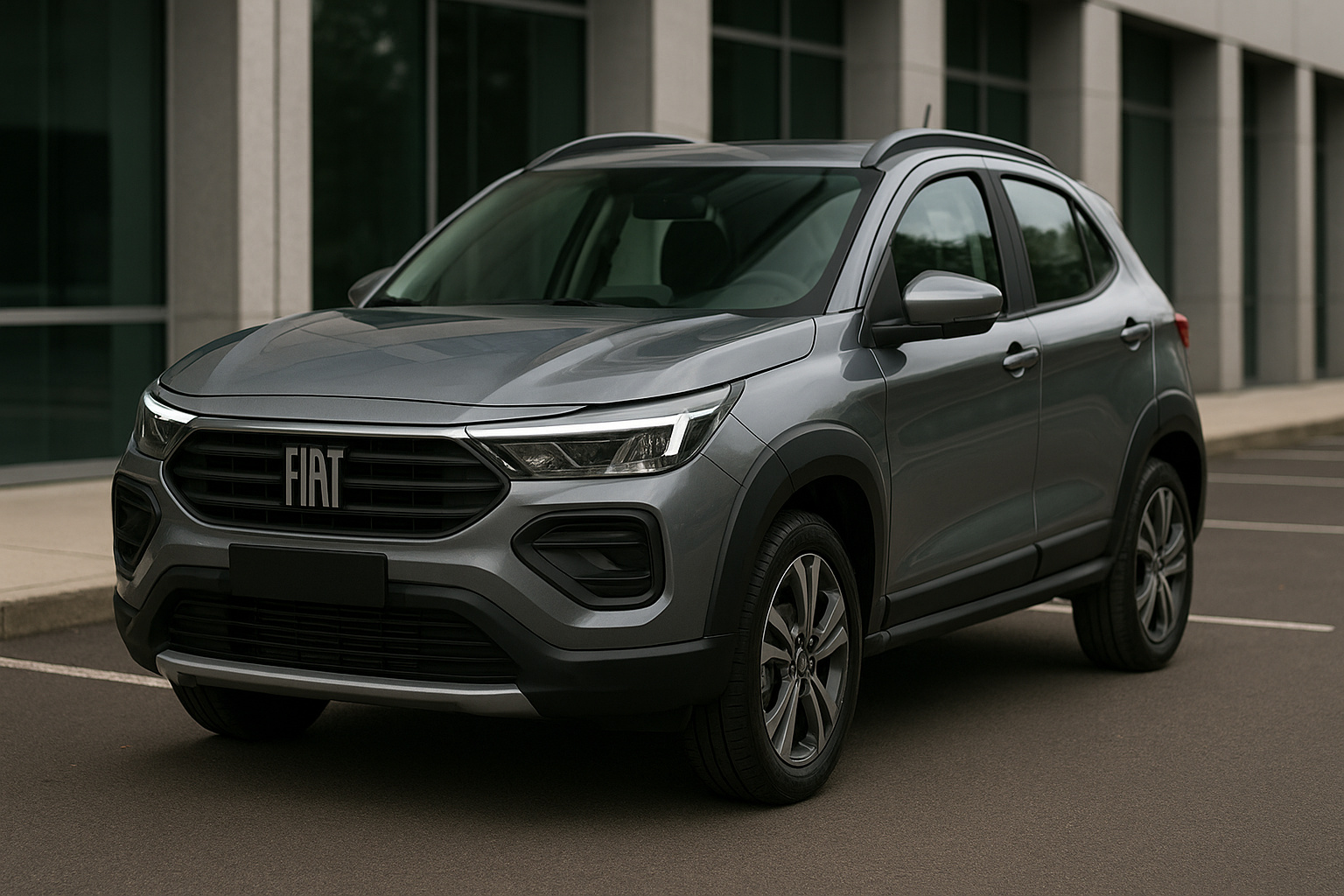


Fiat Pulse Has New Adjustment and Breaks Above R$ 100 Thousand. Here’s Why the SUV Has Become More Expensive and How This Affects the Automotive Market.
Fiat Pulse Undergoes New Adjustment and Exceeds R$ 100 Thousand, Raising Alerts in the Automotive Market
The Fiat Pulse 2026 has received another adjustment, surpassing the mark of R$ 100 thousand, and has rekindled competition in the automotive market, which is already experiencing strong pricing pressure.
What has changed, who will be affected, when the increase took effect, where the SUV was most impacted, how this adjustment was applied, and why the automaker adopted this strategy are questions that dominate consumer conversations since November.
The manual version, launched in May as the more accessible option, has already accumulated over R$ 2,000 in increases, although it still offers one of the best value for money in the segment.
-
2027 Toyota Corolla Cross Unveiled: New Design, Enhanced Fuel Efficiency, Reduced Maintenance Costs, Advanced Technology, Connected Services, and Up to 10-Year Warranty

-
Fiat Cronos Precision 2018: Affordable Sedan with Spacious Trunk and Reliable Maintenance
-
Volkswagen to Cut Production by 1 Million Cars by 2030, Reducing Jobs and Platforms, Focusing on More Profitable Models

-
Toyota Launches First 100% Electric Car in Brazil: bZ4X with 343 HP, All-Wheel Drive, 361 km Range, Priced at $419,990 BRL, Limited to 99 Units



Furthermore, this move places the Pulse in a new position in direct competition with the VW Tera and Renault Kardian, which remain more expensive even after recent reductions made by competing brands. Thus, the adjustment shows that the competitive landscape within the automotive sector remains fierce.
Adjustment Leaves Fiat Pulse Above R$ 100 Thousand and Pressures Consumers
The latest increase raised the price of the Fiat Pulse Drive 1.3 Manual to R$ 101,990, a price that symbolizes a new phase of pricing in the compact SUV automotive market. Prior to this, the model cost around R$ 2,000 less, reinforcing the gradual escalation of value since the launch of the 2026 line.
Despite the adjustment, Fiat maintained its strategy of offering a basic version to balance the final cost. Therefore, the SUV continues without alloy wheels, without chrome details, and without sophisticated visual elements, adopting a matte black finish, 16″ steel wheels, darkened hubcaps, and simple framed bumpers.
Even More Expensive, the Fiat Pulse Maintains Good Value for Money for Those Seeking the Basics
On the other hand, the equipment package remains competitive. The brand has preserved features valued by consumers, such as:
- LED headlights and taillights,
- four airbags,
- automatic and digital air conditioning,
- cruise control,
- electric mirrors with Tilt Down function,
- multimedia center of 8.4″,
- audio controls on the steering wheel.
In addition, those who want to give a visual upgrade can opt for the Pack Plus, which includes 16″ alloy wheels and a parking sensor with a rearview camera for R$ 2,990.
VW Tera and Renault Kardian Remain More Expensive Than the Fiat Pulse
The automotive market remains competitive, but the Fiat Pulse is still the cheapest option among its direct rivals. The Volkswagen Tera 1.0 MPI, which debuted at R$ 99,990, now starts at R$ 105,990, after losing the promotional batch and receiving new adjustments.
Meanwhile, the Renault Kardian Evolution MT, sold only with a 1.0 turbo engine, costs R$ 113,690, maintaining a significant price distance from the manual Pulse.
Therefore, even with the adjustment, Fiat’s model remains the most accessible entry point into the newly launched compact SUV group.
Fiat Pulse 2026 Line Brings Redesign and More Sophisticated Appearance
In addition to bringing back the manual version, Fiat took advantage of the 2026 line to apply a light redesign, giving new life to the design. Thus, the Pulse adopted elements used in the brand’s recent European models, including inspirations from the Grande Panda.
The SUV now features:
- grille with horizontal slats,
- more squared bumper with enlarged lower opening,
- new side appliqués inspired by the Pulse Abarth,
- darkened interior, with seats, ceiling, and door panels in more sophisticated tones.
This change reinforces the visual appeal, bringing the Pulse closer to more expensive SUVs without significantly raising internal production costs.
Automotive Market Remains Pressured — And the Pulse Is a Reflection of This
The new adjustment highlights the upward trend dominating the automotive market in 2024 and 2025. Thus, the Fiat Pulse becomes a thermometer of the challenges the sector faces in maintaining stable prices in light of increasing costs.
Still, the model remains one of the most balanced options for those looking for an SUV with good value for money, even after surpassing the R$ 100 thousand barrier.
Thus, despite the adjustment, the Pulse maintains reasonable value for money for those who desire a compact manual SUV with equipment above the basic.








