






 Portuguese
  Spanish
  2 min of reading
  0 comments



According to the industry association, Anatrip, the decision will have a significant impact on the financial recovery of companies in the post-pandemic period, bringing severe consequences for the sector.
The representative of Anatrip also states that the political wear resulting from the increase in public transport fares may make it more difficult for companies to transfer the costs of deregulation. ‘This could have a negative impact on the financial stability of the transport sector, potentially even resulting in difficulties for companies to meet their labor obligations’, says Oliveira.
According to Oliveira, the determination will have consequences for the financial recovery of companies after the pandemic. ‘We are returning to passenger levels of 2019 and moving towards recovering the investment capacity of companies; a cost increase will reverse this positive trend’, he explains. The executive believes that transferring the increase in expenses to the fare will have an impact that goes beyond transport companies. ‘Low-income populations will be affected by the fare increase, and companies that provide transportation vouchers will see an increase in expenses’.
This decision will affect not only transport companies but also the general population and companies that offer transportation vouchers.
-
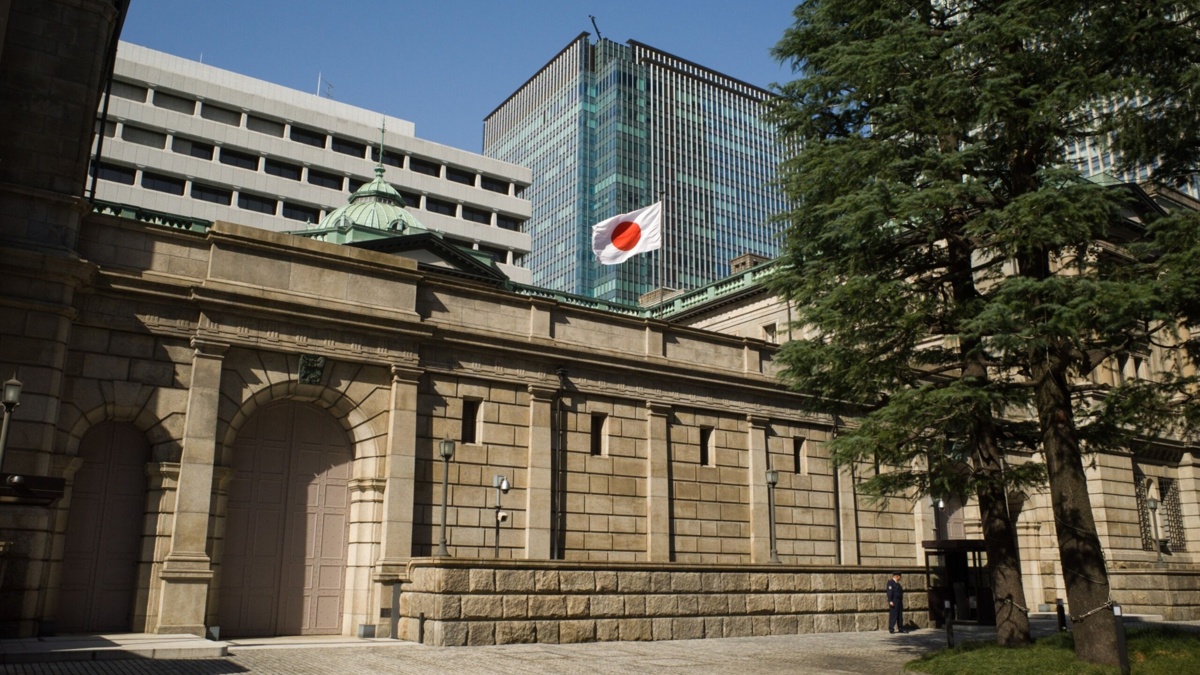
Bank of Japan raises interest rates to 1%, reaching the highest level in over three decades

-
ANP halts LPG reform, and Sindigás sees technical caution as a decisive point for safety, investments, and the future of the cylinder in Brazil.

-
Oil spill in the Caribbean raises environmental alert and increases tension between Venezuela and Trinidad and Tobago

-
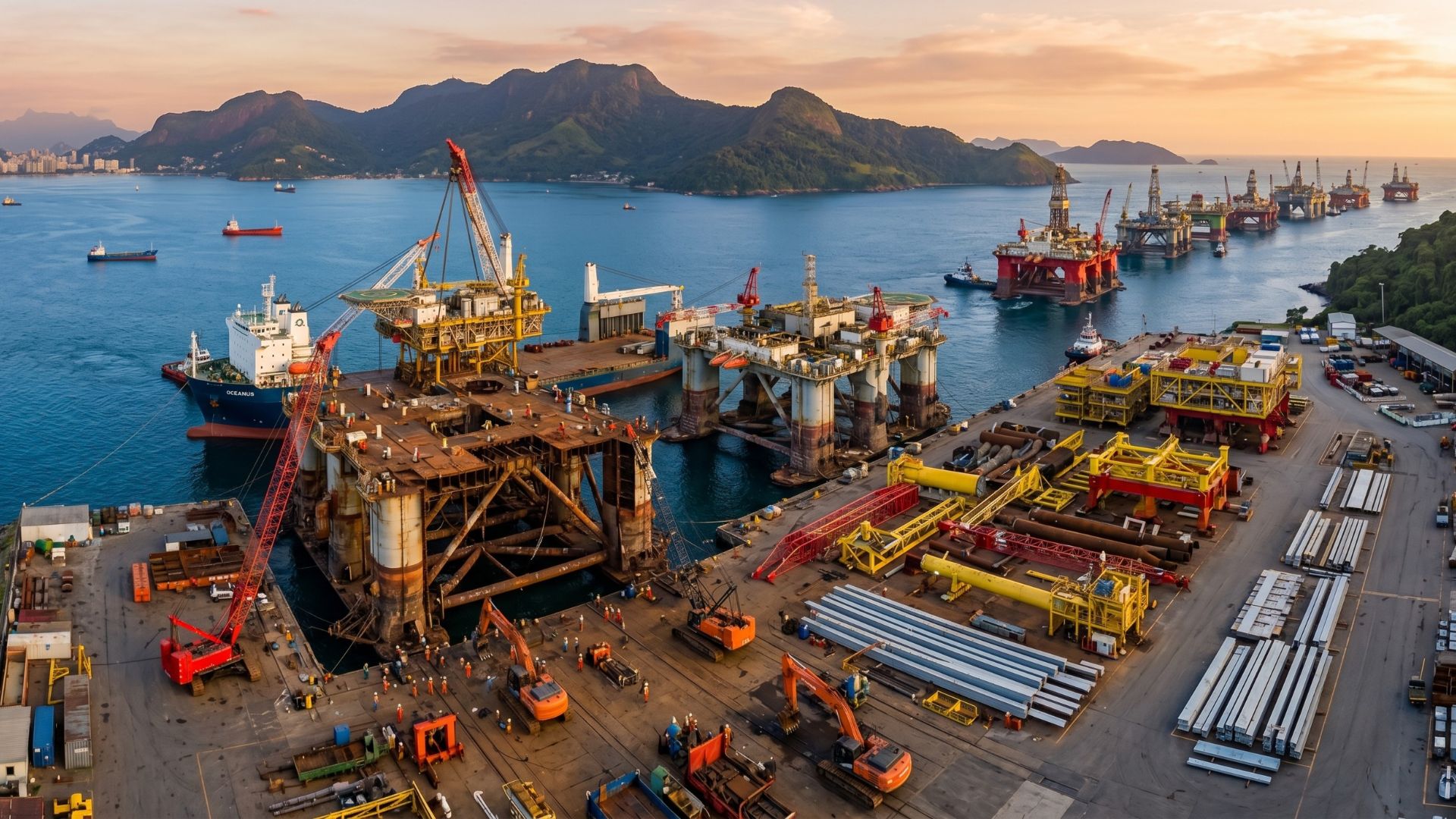
More than 40 Petrobras platforms enter the decommissioning queue and open up a billion-dollar industry in Brazil for cranes, special ships, underwater cutting, and offshore recycling.



End of deregulation of Payroll Concerns Urban Transport Sector
The end of deregulation of payroll in the urban transport sector could have a significant impact on inflation, increasing by 0.2 percentage points, according to estimates from the National Association of Road Passenger Transport Companies (Anatrip). The executive secretary of Anatrip, Gabriel Oliveira, explains that “the re-regulation will result in increased costs that will be passed on to passenger fares”. According to him, “the presidential veto goes against the government’s measures to control inflation”.
On September 24th, President Luiz Inácio Lula da Silva fully vetoed PL 334/2023, which extends the so-called deregulation of payroll for 17 sectors of the economy, including road and metro passenger transport, for another four years. According to estimates from the urban transport sector, the re-regulation is expected to result in a 6.78% increase in total service costs, and as a result, an average fare adjustment for passengers of up to R$ 0.31.
Source: InfoMoney






Be the first to react!