Portuguese
  Spanish



BYD Is Shaking Up The Automotive Industry With Its Vertical Production. Discover How It Challenges Toyota’s Lean Model And Puts Giants Like Tesla On The Radar Of Its Innovation!
In the world of automakers, one question has caught the attention of experts and consumers alike: how does BYD manage to make electric cars at such competitive prices?
The answer lies in a quiet revolution that challenges traditional vehicle production methods, including the acclaimed Japanese lean production model.
This transformation has not only propelled Chinese companies but has also triggered a response from Japanese giants, which are now seeking to reinvent themselves to maintain their relevance in the global market.
-
Sales of Brazil’s Cheapest Electric Car Halted Before First Deliveries: E-Motors Suspends Emova Easy Due to Import Tax Increase and Rising Freight Costs

-
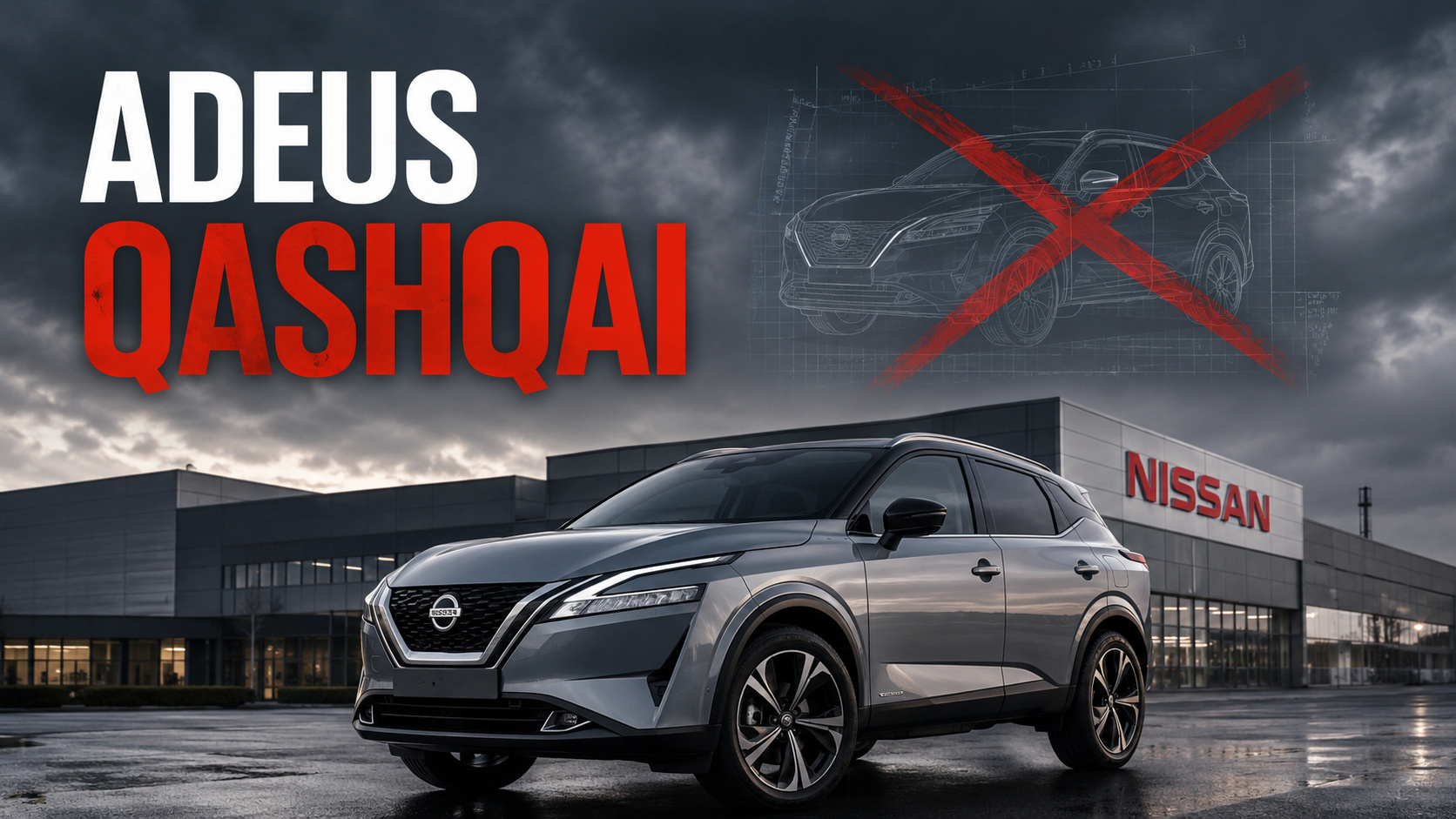
Nissan Discontinues Qashqai SUV Amid Cost-Cutting, Chinese Competition, and Product Line Review

-
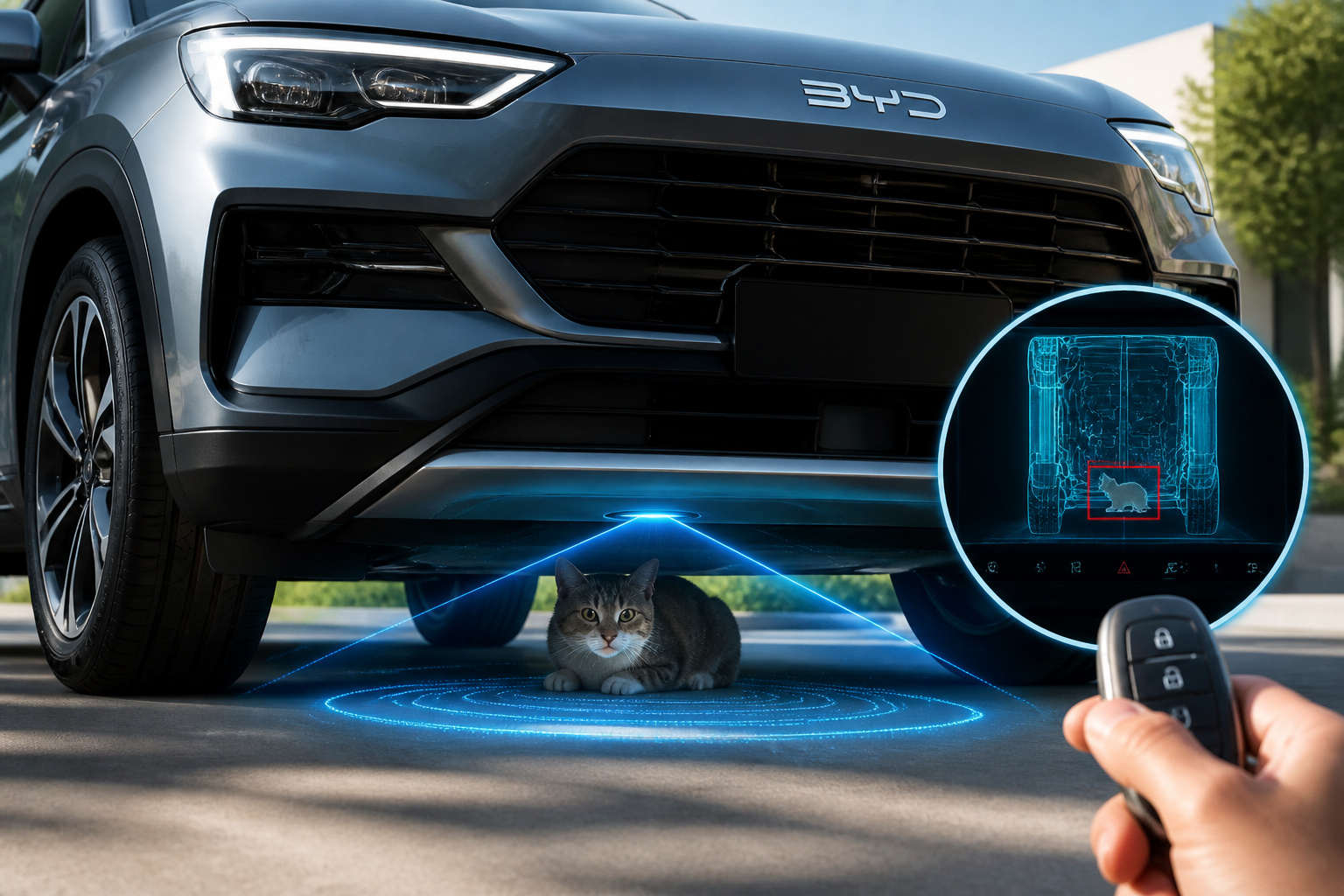
BYD Patents Revolutionary System Using Computer Vision to Detect Animals Under Cars Before Starting, Preventing Tragedies

-
Study Reveals Why Cars Are More Expensive to Produce and Buy in Brazil Compared to Mexico, Highlighting Taxes, Logistics, and Industrial Costs as Key Factors.


The Japanese Revolution After WWII
After World War II, Japan faced the enormous challenge of rebuilding its economy.
With scarce resources, Japanese automakers, led by Toyota, developed an innovative system known as lean production.
This model was based on two pillars: Just in Time, which eliminated inventories by producing parts only when necessary, and Kaizen, which promoted continuous improvements in processes.
As explained by the channel Fórmula Turbo, “the lean model reduced costs, increased efficiency, and brought exceptional quality to Japanese vehicles”, solidifying the country as a leader in the automotive sector for decades.
However, the transition to electric vehicles has brought new challenges that require different strategies.
BYD And Vertical Production
While Japanese automakers stood out with their lean methods, companies like BYD changed the game by adopting vertical production.
This approach eliminates intermediaries and concentrates the manufacturing of essential components, such as batteries and electric motors, within the company itself.
According to Fórmula Turbo, “BYD controls the entire process, from raw material extraction to delivering the vehicle to the consumer”, ensuring reduced costs and greater efficiency.
Additionally, BYD has battery factories and even its own ships for transportation, significantly reducing logistics expenses.
This model has allowed the Chinese automaker to challenge major market players by offering more affordable electric vehicles with cutting-edge technologies.


Tesla: Innovation And Automation
Tesla is another company that has adopted vertical production, but with a differentiator: the use of highly advanced technologies.
With its Gigafactories, Tesla integrates all stages of production in an automated environment.
As pointed out by the Fórmula Turbo channel, “these factories utilize artificial intelligence and robotics to monitor and adjust each stage of the process”, ensuring efficiency and vehicle customization.
Elon Musk, CEO of Tesla, believes that controlling every detail of production is essential for rapid innovation and meeting the demands of a constantly evolving market.
This total control also allows Tesla to offer innovative solutions, such as longer-lasting batteries and autonomous driving systems.
The Impact On The Global Market
The rise of vertical production is redefining industry standards in the automotive sector.
While the lean model offers flexibility and waste reduction, vertical production guarantees independence and greater cost control.
According to experts, automakers that do not adapt to these new trends may lose relevance in the market, especially with the advancement of electric vehicles.
Japanese Automakers React
In light of this scenario, companies like Toyota, Nissan, and Honda have begun investing in research and development to integrate automation and the production of essential components.
Robots and intelligent systems are already being incorporated into their factories, combining the lean model with modern market demands.
As reported by Fórmula Turbo, “japanese automakers have created research centers to explore technologies such as artificial intelligence, robotics, and in-house battery manufacturing”, seeking to compete with Chinese and American giants.
Still, the question remains: will they be able to keep up with the speed and efficiency of the new market leaders?
The Role Of Innovation In Brazil
The impact of these changes is also being felt in Brazil, where brands like BYD and Tesla are expanding their operations.
BYD, for instance, has already announced investments to install battery factories in the country, tapping into the emerging market for electric vehicles.
Meanwhile, traditional automakers like Toyota and Honda are looking to modernize their assembly lines to remain competitive in the global landscape.
These initiatives could generate jobs, stimulate the local economy, and accelerate the transition to a more sustainable fleet.
The Future Of The Automotive Industry
The competition between lean and vertical production is far from over, but one thing is certain: innovation will be the differentiator for automakers to stand out in the global market.
Whether through automation or independence in supplying components, companies that invest in technology and efficiency will be better prepared for future challenges.
Meanwhile, consumers worldwide will continue to benefit from the fierce competition among these industry giants.