






 Portuguese
  Spanish
  2 min of reading
  0 comments


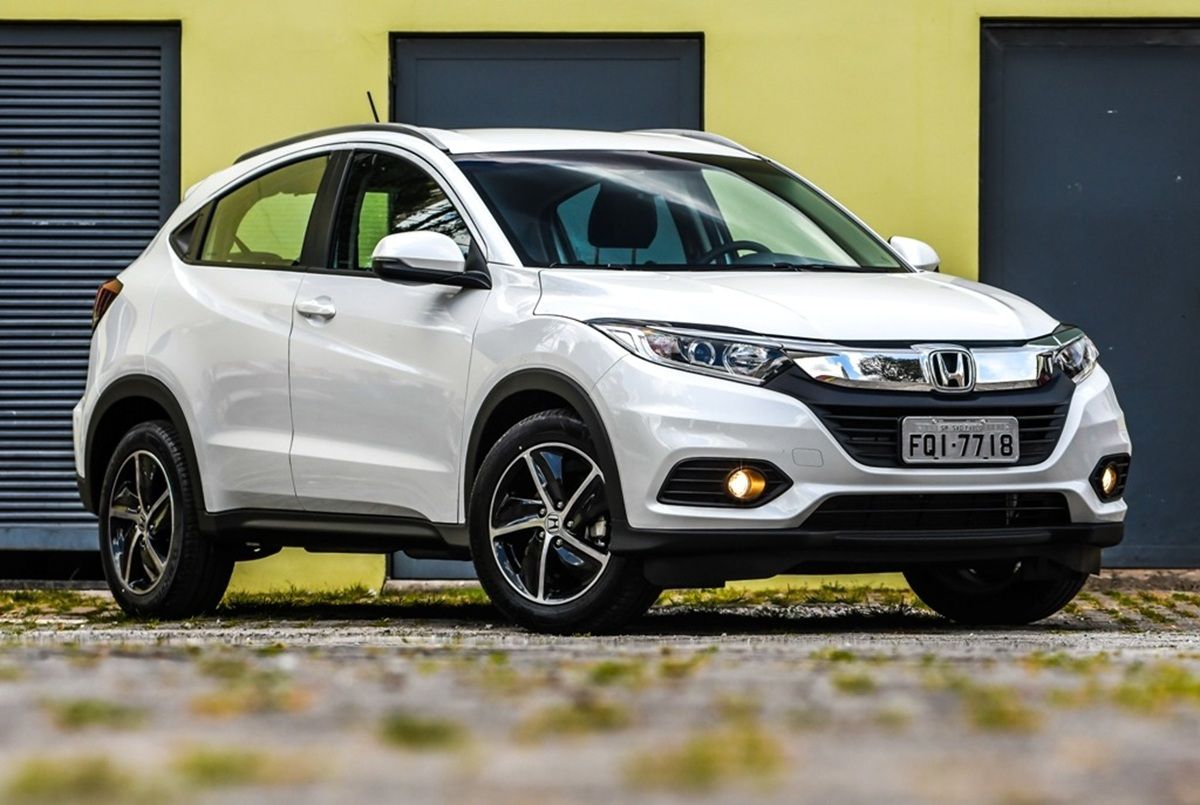
Even With A High Down Payment, The Simulator Shows That The Buyer Would Pay R$ 20 Thousand Just In Interest, With Monthly Payments Of R$ 1,251.57 For Four Years.
Buying a financed used car may seem like a good way out for those who don’t want to part with all their money at once. However, the simulation of a 2019 Honda HR-V with a table value of R$ 100 thousand reveals how interest can weigh heavily on the pocket even when the buyer makes a hefty down payment.
In the simulation, the buyer offers a R$ 60 thousand down payment, leaving R$ 40 thousand to finance.
The chosen term is 48 months (four years), with an interest rate of 1.8% per month — a common average among banks and finance companies for used vehicles.
-
Uber Faces Shareholder Scrutiny as Board Accused of Ignoring Safety, Compliance, and Harassment Warnings Amid Over 3,500 U.S. Lawsuits

-
Ferrari’s First Electric Car Divides Fans, Priced at $630,000, Amid Concerns Over Limited Editions; Brand Clarifies It’s Not Just for Future Perks
-
BYD Dolphin Mini: The Electric Car That Defies Depreciation, Losing Only 3.58% in a Year and Becoming the Best-Selling Retail Model Under $22,000

-
Electric Car JAC E-JS4 Loses $19,000 in Value in One Year, Leading Record Depreciation of Used Cars in Brazil Due to Expensive Battery and New Models


Financing Costs
With these parameters, the amount of each monthly installment would be R$ 1,251.57. Over the 48 installments, the buyer would spend R$ 120,075.50. This means that, adding everything up, the car that cost R$ 100 thousand would end up costing R$ 120 thousand, even after making a high down payment.
The difference between the total amount paid and the original price of the car represents the R$ 20,075.50 in accrued interest throughout the contract. In practice, the financial charges represent an increase of 17% on the total value of the vehicle, considering the sum of down payment and installments.
The Real Weight of Interest
The example shows how the 1.8% per month rate, seemingly small, becomes a considerable amount over the long term. This is because the calculation is compound: each month, interest is applied to the updated outstanding balance, rather than just the initial amount.
Therefore, even those who provide more than half of the car’s value as a down payment — in this case, 60% — still feel the impact of the installments. By the end of four years, the additional cost exceeds R$ 20 thousand, which is almost a quarter of the financed amount.
The simulation of the 2019 Honda HR-V reinforces the importance of comparing terms and rates before signing a financing agreement. Reducing the number of installments or trying to negotiate lower interest rates can make a significant difference in the final cost.
In summary, the car that costs R$ 100 thousand ends up costing R$ 120 thousand, even with a high down payment and “moderate” interest. It’s a clear example of how credit can facilitate purchase but also make the asset more expensive than it seems at first glance.





Be the first to react!