






 Portuguese
  Spanish
  4 min of reading
  0 comments


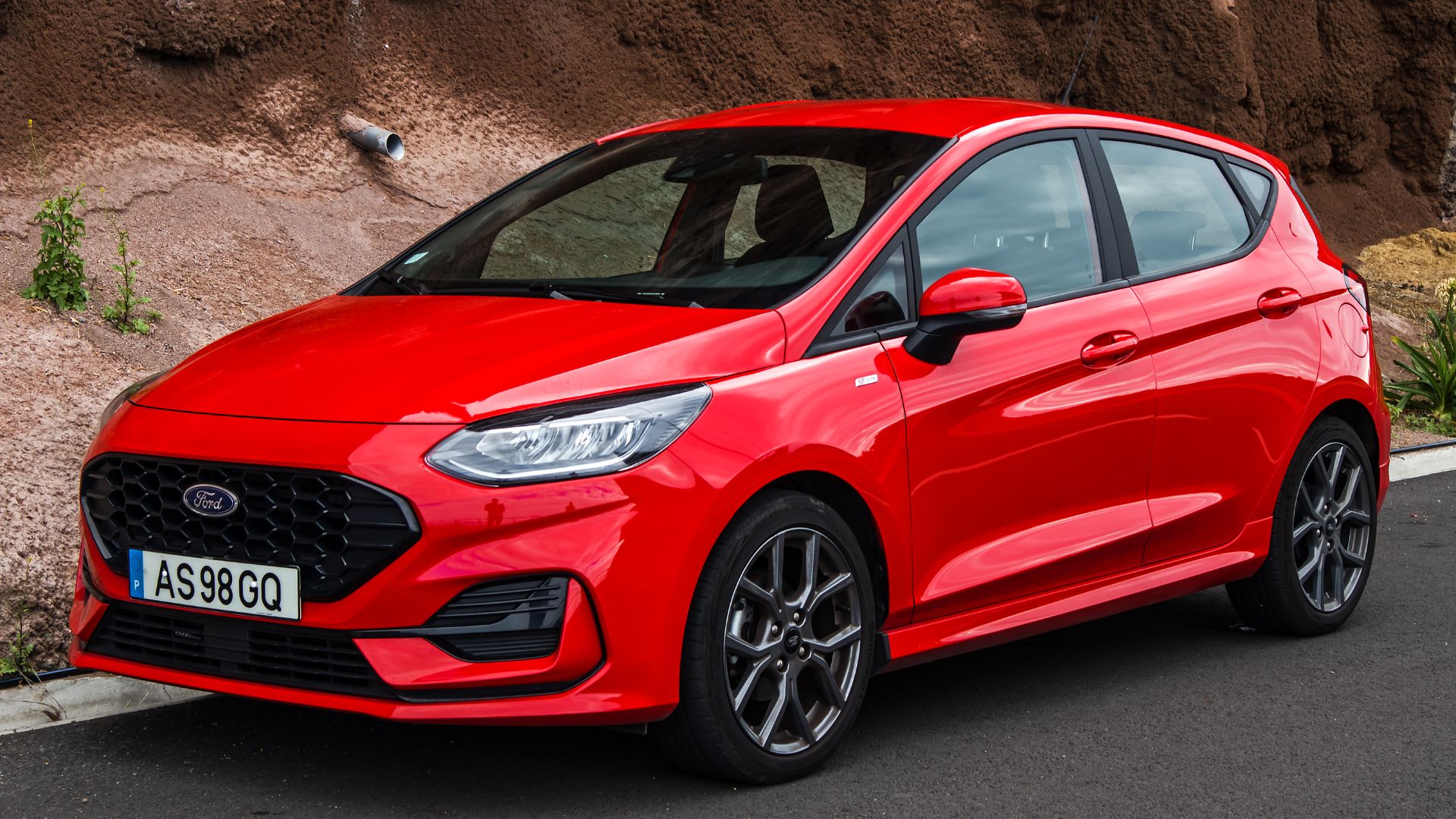
Unprecedented Partnership Repositions Ford in Europe, Rekindles Historic Names, and Exposes Industrial Strategy to Face Chinese Brands in the Compact Electric Car Market, Focusing on Costs, Development Speed, and Own Product Identity.
Ford announced, in 2025, a strategic partnership with the Renault Group to develop and produce two new electric passenger cars in Europe, with a debut scheduled for 2028.
The agreement involves using the electric platform of Ampere, Renault’s electric vehicle arm, and aims to reduce costs and speed up launches at a time of tougher competition with Chinese brands on the continent.
The statement did not specify what the two models will be.
-
Uber Faces Shareholder Scrutiny as Board Accused of Ignoring Safety, Compliance, and Harassment Warnings Amid Over 3,500 U.S. Lawsuits

-
Ferrari’s First Electric Car Divides Fans, Priced at $630,000, Amid Concerns Over Limited Editions; Brand Clarifies It’s Not Just for Future Perks
-
BYD Dolphin Mini: The Electric Car That Defies Depreciation, Losing Only 3.58% in a Year and Becoming the Best-Selling Retail Model Under $22,000

-
Electric Car JAC E-JS4 Loses $19,000 in Value in One Year, Leading Record Depreciation of Used Cars in Brazil Due to Expensive Battery and New Models


Still, the move signals a change of course for Ford in the region, following the reduction of its passenger car portfolio and a focus on utility and commercial vehicles.
The automaker insists it will lead design, dynamic tuning, and user experience to maintain its own identity, even with the technical base provided by the French partner.
Ampere Platform and the New Base for Ford’s Electric Vehicles

The core of the agreement is Ford’s access to the Ampere ecosystem, which includes electrical architecture, industrial chain, and manufacturing capacity.
The production of the new electric vehicles should take place in northern France, in a facility linked to ElectriCity, used by the group to concentrate the manufacturing of electrified models.
By betting on an already ready base, Ford is trying to shorten the path to return to the compact segment, which is currently pressured by imported models and manufacturers that have gained scale in the development of entry-level electric vehicles.
In statements reported by international media, company executives associated the decision with the advancement of Chinese competitors in the European market, where price has become a determinant factor for increasing volume.
What Ford Has Confirmed About the 2028 Launches
The automaker states that the cars will be electric vehicles with the Ford brand, targeted at the European audience, arriving at dealerships in 2028.
In addition to platform sharing, the partnership also includes the intention to explore cooperation in the light commercial vehicles segment, with development and manufacturing of models under both brands.
Another line of the announcement is the promise of a new product offensive and an industrial repositioning in Europe.
Ford has publicly argued that the transition to stricter environmental targets needs to occur in step with the reality of demand and costs, especially in the mass market, which is most sensitive to price.

Fiesta and Puma Gain Strength Behind the Scenes, But No Official Confirmation
Although the title and part of the coverage point to the return of the Fiesta and a possible use of the project as a basis for renewing the Puma, the official material released by the companies does not mention any of these names.
So far, Ford and Renault confirm only that there will be two electric passenger vehicles based on Ampere, launching in 2028.
The Fiesta, one of the best-known hatches of the brand, ceased production for the European market in 2023, ending a decades-long trajectory in the compact segment.
This history helps explain why the name has resurfaced in discussion, but for now, it is merely a possibility raised by specialized publications, not a confirmation from the automakers.
The Puma, which gained traction as a compact crossover, is mentioned because it occupies the market segment where Ford needs volume to regain presence.
Still, there is no official indication that the agreement with Renault will be specifically used for a new generation of the model, nor that the project connects to the Puma currently sold.
Advancement of Chinese Brands Pressures Traditional Manufacturers

Europe has become one of the most competitive fronts in the electric car industry, with Chinese brands expanding their portfolio and participation in entry-level and mid-range segments.
In this context, traditional manufacturers have begun to seek industrial shortcuts to reduce development time and cost per unit, whether through alliances or platform and factory sharing.
In Ford’s case, the choice for an industrial partnership with Renault comes after other similar initiatives, such as technological agreements to accelerate electric launches on the continent.
The rationale behind this model is simple: competing on price requires scale, standardization, and speed, three points where newly arrived companies, with leaner structures, have gained an advantage.
Even though the announcement emphasizes the preservation of brand DNA, the message of the agreement is pragmatic.
To return to competing in the compact market, Ford will need a more affordable electric car than the products that currently comprise its offering, and that depends on engineering and manufacturing with well-controlled costs.
With the names of the two models still open, the next step will be to observe when Ford will detail positioning, size, range, and price range of the electric vehicles planned for 2028 — and if any of them will, in fact, carry the Fiesta emblem or lead to a deeper renewal of the Puma family, redefining the brand’s role in the new market competition in Europe.





-

-

-

14 people reacted to this.