






 Portuguese
  Spanish
  3 min of reading
  1 comment


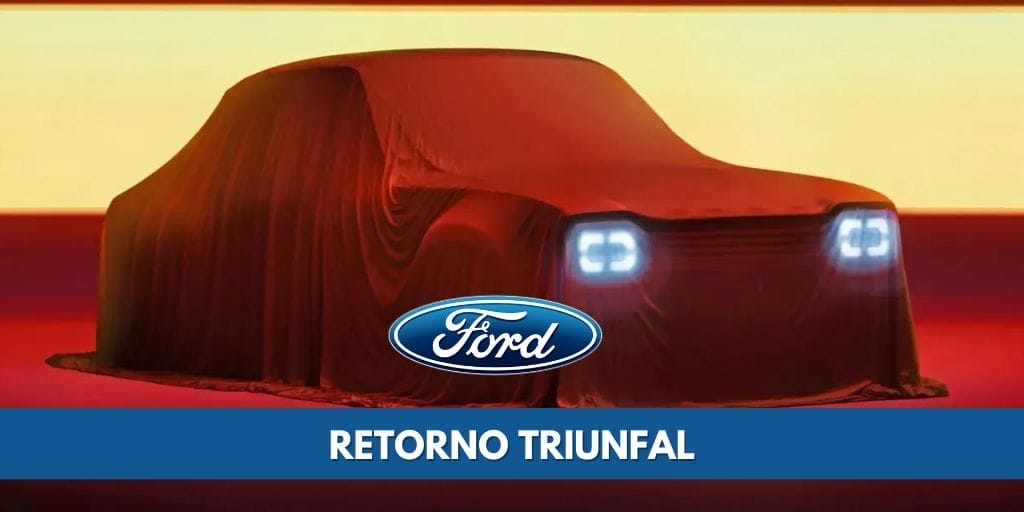

Iconic Ford Model May Be About To Make A Triumphant Return. The American Brand Is Developing A New Line Of Compact Electric Cars, And There Are Signs That The Favorite Of Brazilians Might Be One Of The Models To Return To The Market, Bringing Innovation And Nostalgia.
Since the last Ford Fiesta with an internal combustion engine left the assembly line in Cologne, Germany, in July 2023, many fans of the model have felt a void.
But for the lovers of this classic, there’s good news: the Fiesta may be about to return, and in a way that no one expected.
Rumors indicate that Ford is planning to bring back the model in a fully electric version, which could have a significant impact on the automotive market, especially in Brazil, where the Fiesta has always had a legion of fans.
-
Uber Faces Shareholder Scrutiny as Board Accused of Ignoring Safety, Compliance, and Harassment Warnings Amid Over 3,500 U.S. Lawsuits

-
Ferrari’s First Electric Car Divides Fans, Priced at $630,000, Amid Concerns Over Limited Editions; Brand Clarifies It’s Not Just for Future Perks
-
BYD Dolphin Mini: The Electric Car That Defies Depreciation, Losing Only 3.58% in a Year and Becoming the Best-Selling Retail Model Under $22,000

-
Electric Car JAC E-JS4 Loses $19,000 in Value in One Year, Leading Record Depreciation of Used Cars in Brazil Due to Expensive Battery and New Models


According to the British magazine Autocar, Ford is developing a new platform dedicated exclusively to compact electric cars, expected to be launched from 2026.
This new line of vehicles, which will include models like the Puma and possibly the very Fiesta, aims to position the brand competitively in the electric market. The team responsible for this new platform includes heavyweight engineers from automotive technology giants like Tesla, Rivian, and even Apple, as well as aerodynamic specialists from Formula 1.
Ford Fiesta In Brazil
The history of the Ford Fiesta in Brazil is marked by success and popularity. Initially launched in the country in 1995, the model quickly became one of the best-selling and beloved cars among Brazilians.
Its combination of economy, performance, and design made it a favorite choice for various age groups and consumer profiles.
The Fiesta built a loyal fanbase, who mourned the end of production in 2019, when Ford decided to cease the manufacture of the model at its São Bernardo do Campo unit in São Paulo.
Now, with the new electric vehicle platform, there is great anticipation for the possible return of the Fiesta.
According to Marin Gjaja, operations director of Ford’s electric models division, the first car based on this new architecture will be launched between late 2026 and early 2027, initially debuting in the United States before being marketed in Europe.
This inaugural model could be the new Puma, but there are speculations that the Fiesta might be part of this new family of electrics.
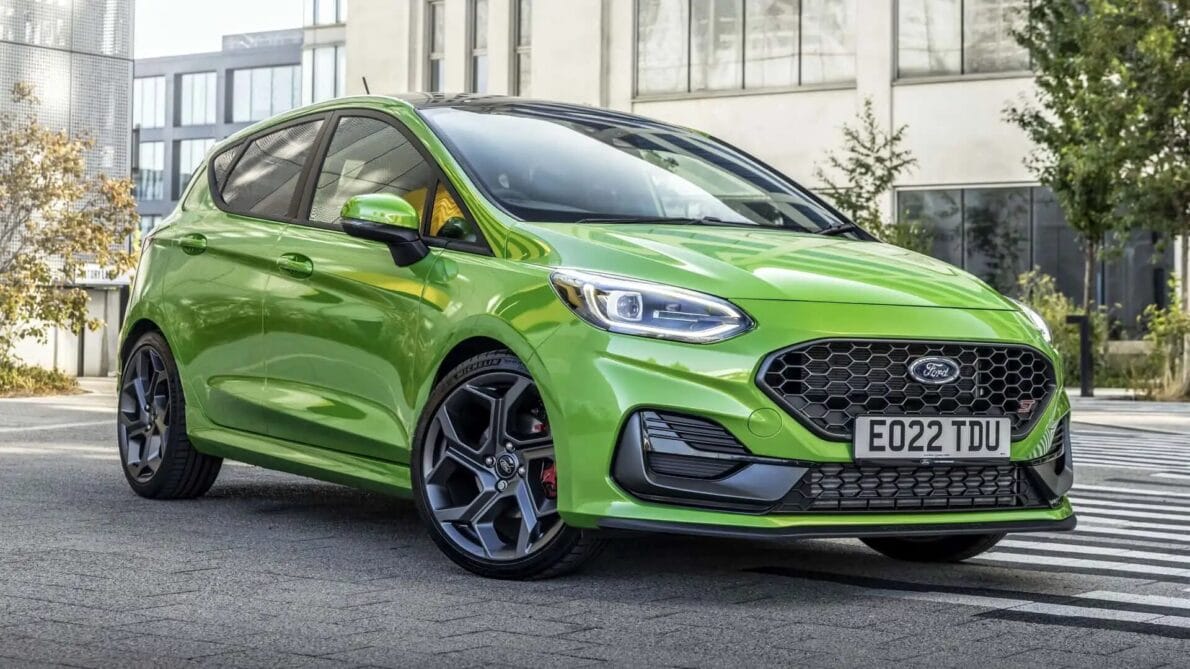
Many Innovations
The new generation of the Fiesta, if confirmed, will bring a series of technological innovations, including the use of lithium iron phosphate (LFP) batteries, a technology that is gaining popularity due to its reduced cost and efficiency.
Additionally, the promise is that the new models will not follow a conventional design, offering something differentiated in the market. This includes everything from exterior design to internal configuration and embedded technological features, which may include advanced driver assistance systems and state-of-the-art connectivity options.
For Brazilian enthusiasts, the possible return of the Fiesta represents not only nostalgia but also a hope to see the electric car market grow and diversify.
The model has always been known for its versatility and accessibility, characteristics that would be very welcome in a market where electric vehicles are still considered expensive and difficult to access for the average consumer.
Expectations are high, but there are challenges as well. Ford will need to ensure that the new Fiesta, or any other model from the new line, is competitive in terms of price and efficiency, especially in a market as dynamic as Brazil.
Moreover, the infrastructure for electric vehicles in Brazil is still under development, which may represent a barrier to the mass adoption of these new models.
As we wait for more details on Ford’s plans, one thing is certain: the possible return of the Ford Fiesta, especially in an electric version, has the potential to shake up the market and reignite the passion of Brazilians for this iconic model.





Pelo menos não vai ferver kkkkk