Portuguese
  Spanish


Márcio Gurgel almost gave up when sales stalled, heard from the mechanics themselves that he was reselling low-quality tools, noted the brands they recommended, and retraced his steps in 1993, and today his son Thiago, who became the site’s programmer at 14, is the company’s technology director
In the 1990s, in Franca, in the interior of São Paulo, a laid-off shoe industry worker decided to start a business to pay the bills. According to Exame, Márcio Gurgel began selling tools at the doors of banks, bakeries, and restaurants in the city, and from that street vendor’s stall would emerge one of Brazil’s leading retail chains specializing in tools and equipment.
Three decades later, Loja do Mecânico has 19 physical stores, the vast majority in São Paulo and one in Minas Gerais, projects a revenue of R$ 1.2 billion, and opened its first unit in the São Paulo capital, in the Interlagos neighborhood, according to Exame. Between the sidewalk of Franca and the projected billion, the story is a lesson in listening to the customer.
The street vendor who almost gave up
The beginning was a picture of urgency. Without a job in the shoe factory, Márcio had difficulties maintaining the business as a street vendor and even considered giving up, according to Exame. The plan was to liquidate what was left of the stock and look for another path.
-
Father Founded Arezzo in a Belo Horizonte Garage; Son, as CEO, Merges to Form “Azzas 2154” with Over 30 Brands, 2,000 Stores, and a $110 Million IPO

-
At 21, he used a $40,000 family loan to start a stationery brand in Brazil; today, BRW earns $48 million annually, has 20,000 sales points, and holds 11 patents, including a highlighter with lip gloss to appeal to teens.

-
End of an Era in Brazil: Automaker Shuts Down Mega Factory After Sales Slump, While Chinese Company Plans to Revive It with 100,000 Vehicles Annually

-
Petrobras Invests $350 Million to Revive Long-Stalled Fertilizer Plant in Brazil’s Agricultural Heartland


It was in the attempt to sell the last pieces that the turnaround came. When offering the remaining products to mechanics, he discovered he was selling low-quality tools, and the professionals began recommending good brands, which Márcio noted and went to seek in São Paulo, according to Exame. Instead of fighting the clients’ diagnosis, he turned the criticism into a shopping list.
From Gurgel Tools to Loja do Mecânico
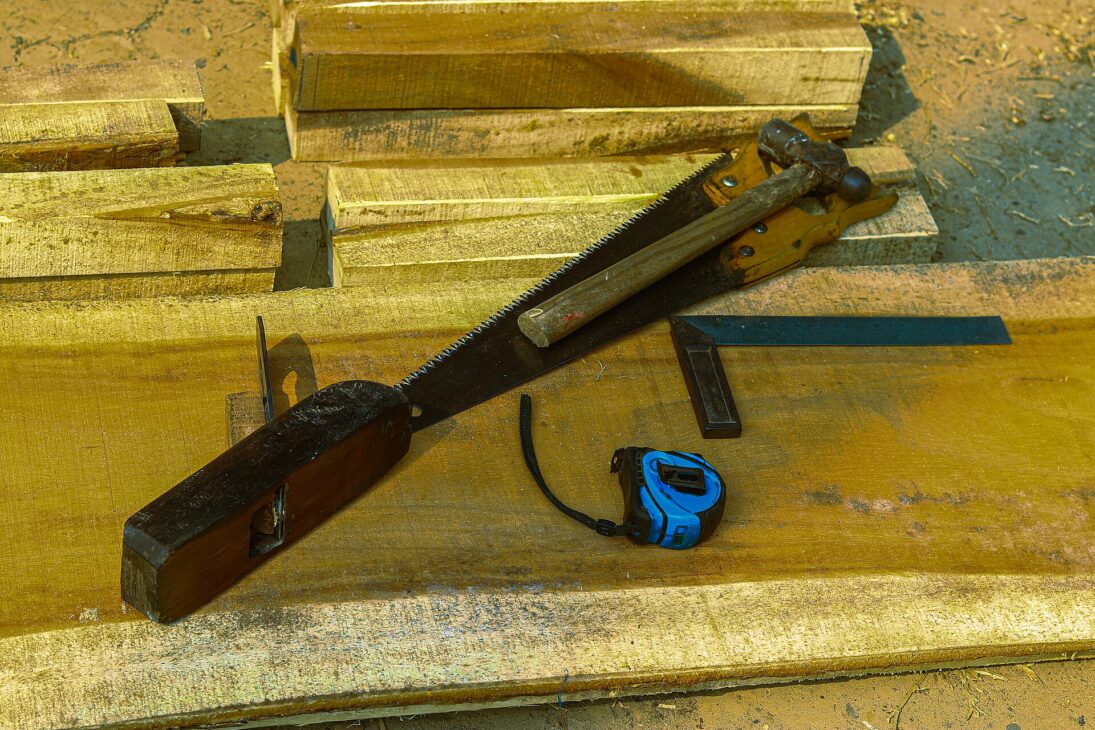
Listening turned into a business. Little by little, he grew his clientele in the Franca region until he opened Gurgel Ferramentas in 1993, and it was only in 2006 that the business got its current name, Loja do Mecânico, starting to grow both digitally and physically, according to Exame. The new name clearly indicates the target audience: the store is for the professional who lives by the tool.
The catalog followed this vocation. With a portfolio ranging from simple accessories to large industrial equipment, the brand mainly serves professionals in the automotive, carpentry, civil construction, and “do-it-yourself” sectors, with the promise of maintaining competitive prices and working with recognized brands, according to Exame. It’s the complete arsenal for those who work with their hands, from screws to heavy machinery.
The son who became the site programmer at 14
The second generation entered the company during school vacations. As a child, Thiago Gurgel accompanied his father to work during vacations, visiting workshops, going on business trips, or staying in the office, and around the age of 14, he started taking programming courses to improve the Loja do Mecânico website, according to Terra. The boy who toured workshops with his father became the builder of the virtual store.
And it wasn’t a passing hobby. Thiago grew within the company, remained as the only programmer of Loja do Mecânico until 2015, and, with a degree in Administration, he now takes care of technology and people management, according to Terra. He sums up the spirit of the house in the phrase said to Exame: “My father wanted the mechanic to find everything in one place. It’s the same spirit we maintain to this day.”
The fund, the “hubs,” and the CEO of the new phase
Professionalization reached a decisive chapter in 2020. The entry of the EB Capital fund boosted the creation of physical stores with a logistical function as well, the so-called sales and distribution hubs, and today the executive command of the company is in the hands of CEO Guilherme Favaro, who leads the integration of channels and the accelerated growth project, according to Exame. The family business gained management muscle without losing the Gurgels within.
The new store in Interlagos debuts this design in the capital. The unit offers an omnichannel journey: the customer can buy on the website or app and pick up the product at the store itself, according to Exame. The physical store is no longer just a showcase and becomes a support point for the e-commerce that the founder’s son started programming at 14 years old.
The sector that left informality
The growth of the network also tells the story of the market in which it operates. The trajectory of Loja do Mecânico illustrates the professionalization of a sector that, for a long time, was dominated by small neighborhood stores and informal suppliers, according to Exame. The tool counter, which was a corner business without receipts and without warranty, became a structured retail network, with a brand, app, and distribution center.
The possible interpretation is that the company succeeded by applying to the entire sector the same lesson the founder learned on the sidewalk: the professional knows exactly what they need, and those who take them seriously keep the customer. It was like this with the brands noted in the street vendor’s notebook, and it is like this with today’s omnichannel journey.
The lesson of the man who listened to criticism instead of fighting it
The story of Márcio Gurgel has a turning point that many would ignore. When mechanics said his tool was of low quality, he didn’t defend the stock: he noted the recommended brands, went to get them in São Paulo, and rebuilt the business based on the recommendations of the customers themselves, as recorded by Exame and Terra. The criticism heard in the near-abandonment is the origin of the network that today projects R$ 1.2 billion.
From Franca to the capital, with the founding father, the technology son, and a CEO driving the expansion, Loja do Mecânico became a sector reference.
Tell us in the comments: have you ever bought a tool that couldn’t handle the job, and would you switch stores for one that only sells what the professional approves?