Portuguese
  Spanish


Fred Wagner, Alberto Azevedo, and Ricardo Rosset couldn’t find good clothes for training, so they decided to make their own pieces still at Colégio Santa Cruz, and the commercial breakthrough came with the store at Shopping Iguatemi, the showcase that transformed the student business into a national network
In July 2026, training clothes became the uniform of the Brazilian middle class, and one of the brands that profit the most from this was born in a classroom. According to InfoMoney, Track&Field was founded in 1988 by three teenagers who practiced sports and couldn’t find suitable clothes: Fred Wagner, Alberto Azevedo, and Ricardo Rosset, who started selling t-shirts during breaks at Colégio Santa Cruz, in São Paulo.
The hobby of the three turned into a billion-dollar business: the brand closed 2023 with more than 360 stores and over R$ 1 billion in sales, reaching R$ 1.4 billion in revenue in 2024, consolidated as a reference in premium sports fashion in the country, according to InfoMoney. From school backpack to billion, without ever changing the founder in command.
The three friends who couldn’t find training clothes
The origin is a portrait of entrepreneurship out of necessity. The three students were athletes and simply couldn’t find in Brazil of the 1980s training clothes with the quality they wanted, so they decided to make and sell their own t-shirts, using the break between classes as a counter, according to InfoMoney. The first target audience was their own schoolmates.
-
From Humble Beginnings to Industry Leader: How Dudalina Became Brazil’s Top Shirt Exporter with $416 Million in Revenue

-
Brazilian Brothers Turn $100 Investment into Wildlife, Latin America’s Most Valuable Game Studio Worth $3 Billion, with Global Hits like “Sniper 3D”
-
Brazilian Açaí Brand Oakberry Expands from São Paulo Kiosk to Over 900 Stores in 48 Countries, Including Qatar’s Desert Markets
-
From Door-to-Door Sales to an $8 Million Business: The Success Story of Água Azul’s Founder


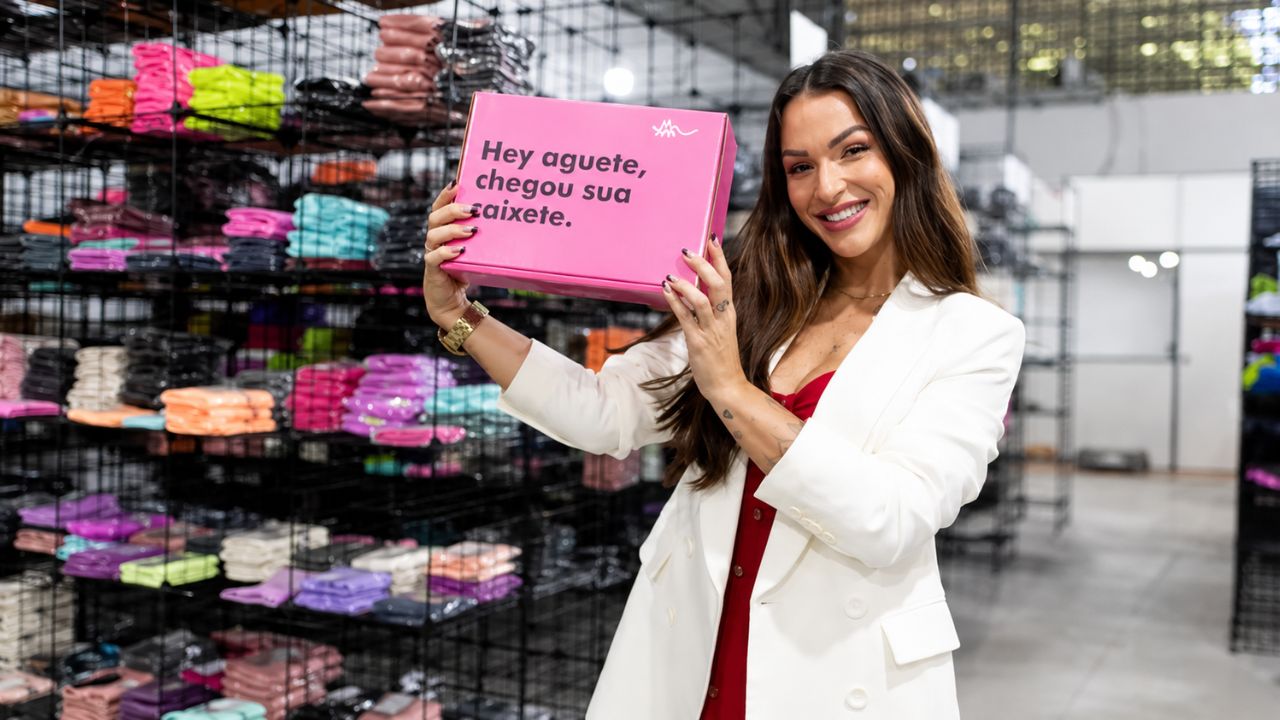
This root explains the brand’s soul to this day: those who design the clothes are those who train. While competitors looked at sports as a runway trend, the founders looked as practitioners, and this difference in perspective turned into a product with fit, fabric, and durability designed for real use.
The Iguatemi showcase that changed the level
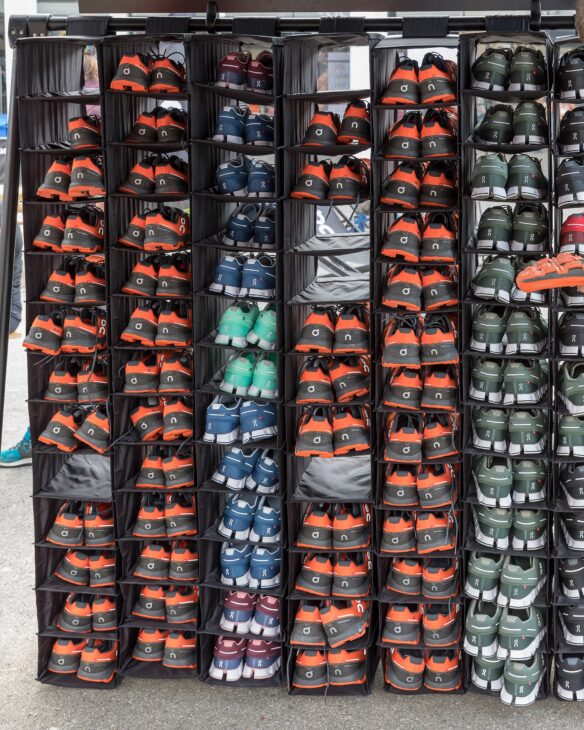
The leap from school stall to real brand had a decisive address. The commercial turnaround for Track&Field came with the store in Shopping Iguatemi, in São Paulo, the spot that put the students’ brand in front of the city’s opinion-forming public, according to InfoMoney. Being in the right showcase was worth more than any campaign.
The choice of positioning was also counterintuitive and spot-on: instead of competing on price with international sports giants, the brand positioned itself in the premium segment, selling quality and lifestyle to an audience willing to pay for it. The niche that seemed small grew along with the Brazilian fitness culture.
The founder who never left the helm
The longevity of management is a rarity in retail. Fred Wagner, born in 1969, is a co-founder and CEO of the company since its inception in 1988, almost four decades leading the same business he helped found when he was still a teenager, according to CODEMEC. Few Brazilian companies have reached the billion mark with the original founder in operational command.
His philosophy is reflected in a phrase that became the company’s motto: “One person alone does not make a company,” Wagner told CODEMEC. The partnership of the three school friends survived growth, crises, and time, the test in which most Brazilian partnerships fail.
The brand that became a club: running, community, and experience

The company’s smartest product might not even be on the rack. Track&Field turned the brand into an organized lifestyle, promoting running circuits and sports experiences that gather crowds of customers wearing the label, the marketing that no advertisement can buy: the customer paying to promote the brand while exercising. The store sells the clothes, and the event sells the belonging.
This community design fuels retail in a cycle: those who run the circuit want new clothes, those who buy the clothes feel part of the club and return to the event. In the sports fashion market, where giants fight for sponsorship of famous athletes, the Brazilian brand bet on the common athlete and gained loyalty that money can’t buy.
The franchise model that spread the brand across the country
The path to 360 stores was not traveled alone. The network’s expansion combined company-owned stores in major centers with franchises that brought the brand to shopping malls throughout Brazil, a design that multiplies presence without requiring the company to fund each location, and that turns local entrepreneurs into partners in growth. The franchisee brings in the capital and local market knowledge; the brand provides the product and the reputation built over decades.
This format also explains the network’s resilience during crises: when retail tightens, the lean operation of each store, combined with a loyal higher-income audience, maintains performance where traditional fashion retail collapses. No shopping mall wants to lose a qualified traffic anchor, which gives the brand rare negotiating power in the most contested locations.
From cotton to technological fabric: the product as a driver
The evolution of clothing follows the company’s history. The cotton t-shirt sold during school breaks gave way to a portfolio of technological fabrics, with quick-drying pieces, sun protection, and performance modeling, the standard that the premium consumer started to demand and that sets the brand apart from basic t-shirt competition. Each new generation of fabric gives a reason to renew the wardrobe.
Investment in the product has a silent commercial effect: a good piece lasts for years and becomes a walking advertisement for the fit, while the new line drives repurchase through desire, not necessity. It’s the balance that fashion brands pursue and few achieve, selling durability and novelty at the same time.
Why sports fashion became gold in Brazil
The favorable wind for the brand is a behavioral phenomenon. Brazilians have incorporated training into their routine and sportswear into their entire wardrobe, from casual office wear to the weekend, creating a market where the same piece serves the gym, running, and leisure, the famous athleisure that multiplied the sector’s size. Workout clothes became living clothes.
In this scenario, the premium position protects the margin: while basic items compete for cents with imports, the desired branded piece maintains full price. The network that teenagers created is exactly where the market grows the most and fights the least over discounts.
The lesson from the three classmates
The journey of Track&Field holds a disarmingly simple story. The founders did not invent technology nor did they receive an inheritance from the sector: they felt a lack in their own lives, created the solution, started selling to those around them, and scaled with decades of patience, keeping the original partnership intact from school to a billion. The big idea was simply to solve their own problem well.
From t-shirts during class breaks to 360 stores across the country, the brand proves that a big business can be born from the most trivial inconvenience.
Tell us in the comments: what product have you failed to find the way you wanted, and why haven’t you turned this lack into a business yet?