Portuguese
  Spanish


Sônia Hess, the sixth of 16 children of Adelina and Duda, the couple who gave the brand its name, took over the presidency in 2003 and multiplied the shirt company from Blumenau until it became one of the largest in Latin America
The story of one of the most well-known brands in Brazilian clothing begins with a purchasing mistake. According to Suno, on May 3, 1957, at the family warehouse in the small town of Luís Alves, in the interior of Santa Catarina, Rodolfo Francisco de Souza Filho, known as Duda, returned from a trip to São Paulo with an excessive amount of fabric, and his wife, Adelina Clara Hess de Souza, decided to make use of the unsold stock by sewing shirts.
From this improvised solution, Dudalina was born, named by combining the couple’s names, Duda and Adelina, and decades later the company jumped from R$ 140 million in revenue in 2009 to R$ 416 million in 2012, becoming the largest Brazilian exporter of woven fabric shirts, responsible for 80% of the country’s shipments in the segment, according to Suno. The wrongly purchased fabric turned into an empire.
The girl with the little truck
Before leading the company, Sônia Hess learned the business on the road. The sixth child of the 16 that Adelina and Duda had, she traveled as a young girl in a small truck through the interior of Santa Catarina, accompanying her mother who offered the shirts from store to store, according to 99 Empreendedores. Her childhood was a sales internship that no business school teaches.
-
Brazilian Brothers Turn $100 Investment into Wildlife, Latin America’s Most Valuable Game Studio Worth $3 Billion, with Global Hits like “Sniper 3D”

-
Brazilian Açaí Brand Oakberry Expands from São Paulo Kiosk to Over 900 Stores in 48 Countries, Including Qatar’s Desert Markets
-
From Door-to-Door Sales to an $8 Million Business: The Success Story of Água Azul’s Founder

-
19-Year-Old Brazilian Chemistry Student Wins Bronze at International Astronomy Competition with Over 9,000 Participants


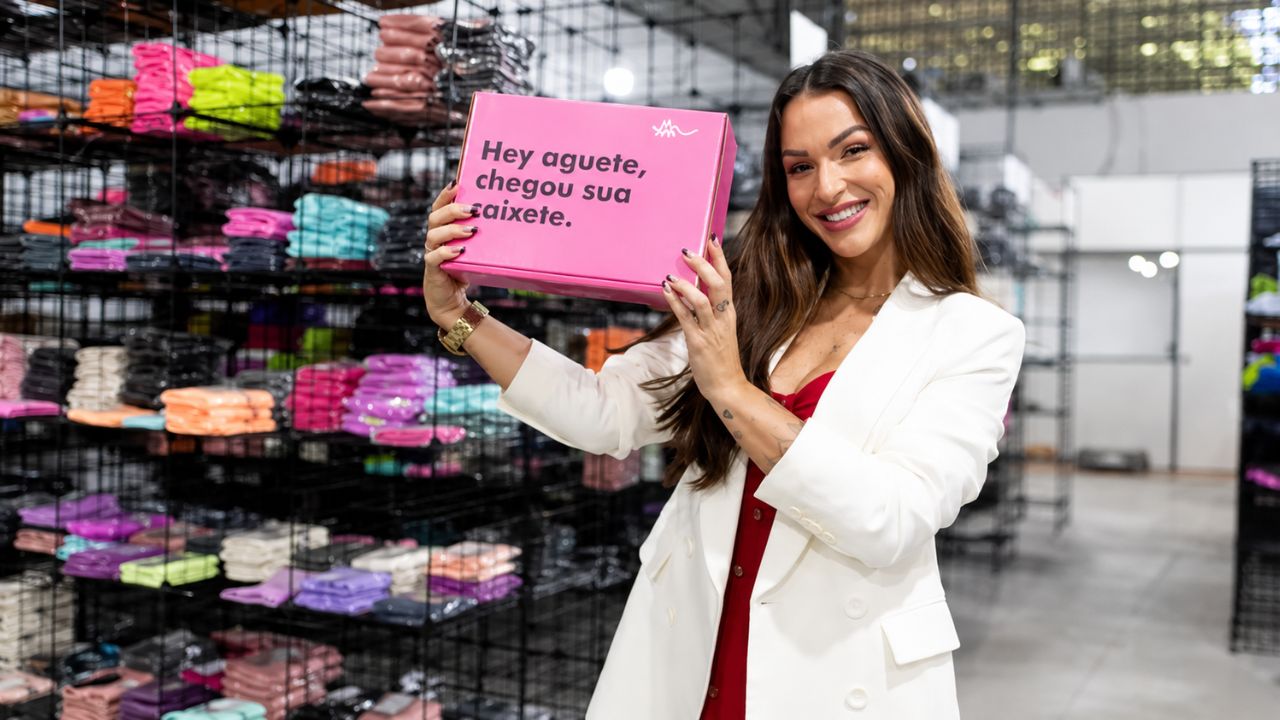

This experience shaped her philosophy: those who know the customer at the store’s doorstep understand the product in a way that no report can deliver. While her siblings divided themselves among the family business areas, Sônia built the commercial repertoire that would transform the brand years later.
The daughter takes over and the company multiplies
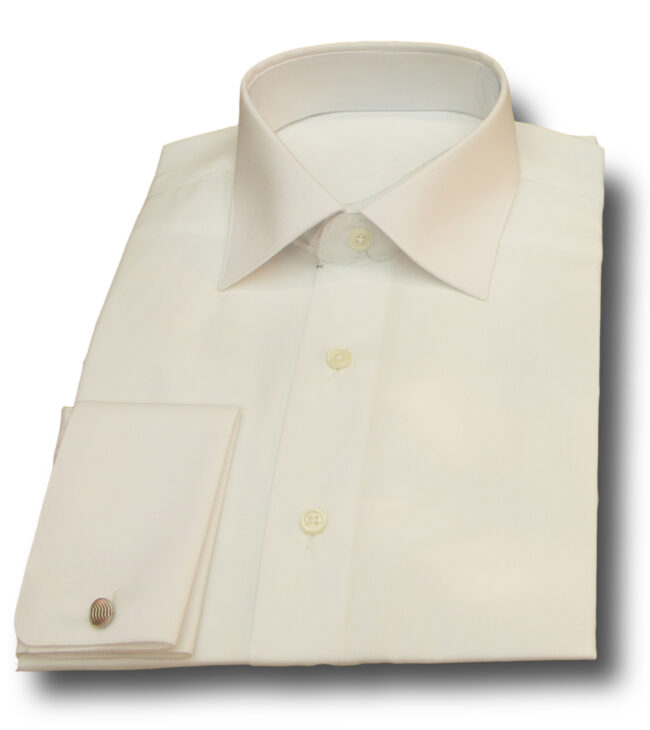
The turning point in scale has a date. In 2003, Sônia Hess took over the presidency of Dudalina and, in just two years of management, revenue grew by 50%, with production jumping from 1.6 million pieces in 2002 to 2.4 million in 2004, the year the company profited R$ 7.5 million, according to 99 Empreendedores. The countryside shirt factory turned into a professional growth machine.
The next leap was in positioning. Under her leadership, the brand stopped being just a supplier of shirts for other labels and became a brand with its own name, including the creation of the women’s line that became a sales phenomenon and rejuvenated the brand. The company from Blumenau began to compete for showcase space with the biggest in fashion retail.
The hidden champion of exports
The number that crowns the operation is from abroad. Dudalina became the largest exporter of woven fabric shirts in Brazil, accounting for 80% of Brazilian exports in the segment, with shirts from Santa Catarina dressing executives worldwide, according to Suno. It’s the kind of silent leadership that almost no one associates with a brand born in a small town warehouse.
The feat is twofold because, in clothing exports, the Brazilian textile sector has historically struggled against Asian competition. Competing globally in shirts, a product where labor costs weigh heavily, required betting on construction quality and finishing, not on price, the path that matriarch Adelina already followed when she decided that the unsold fabric would become a good shirt, not a cheap shirt.
A family, 16 children, and a succession that worked
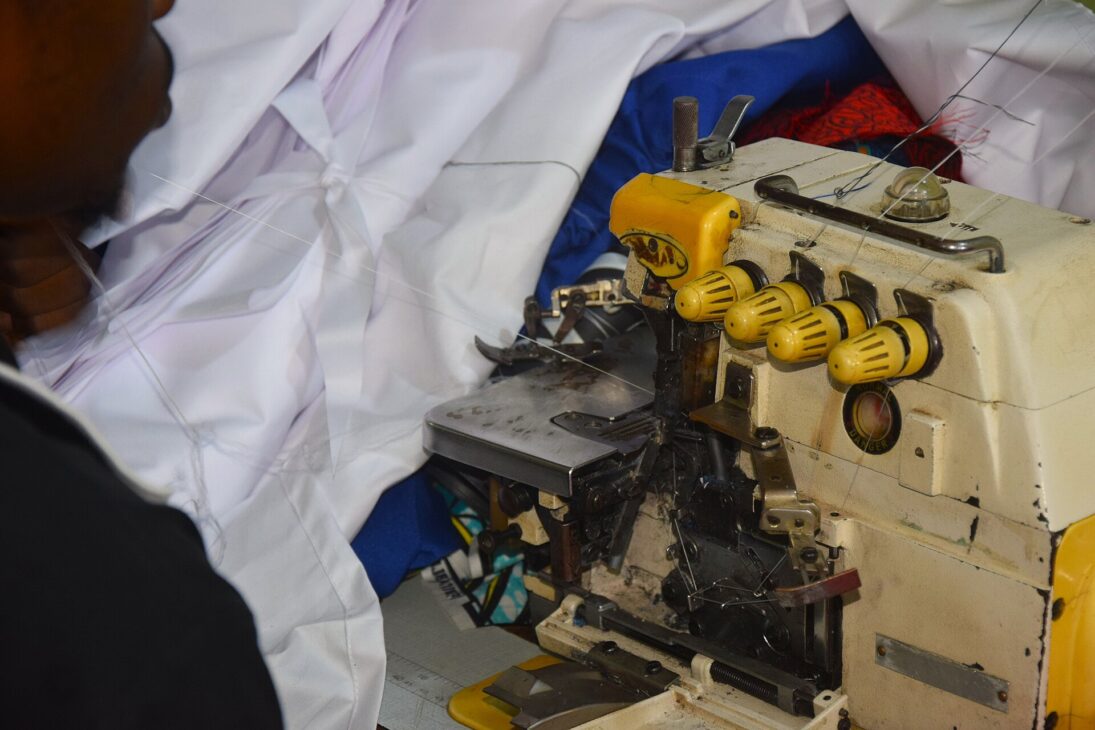
Dudalina is also a rare case of a large family business that did not implode. With 16 heirs of the founding couple, the family kept the company cohesive for decades, with siblings dividing roles and management passing to those who proved competence, the opposite of the succession wars that destroy so many Brazilian family businesses. Sônia reached the presidency through performance, not birth order.
Professionalization paved the way for the final chapter of this phase: the brand grew so much that it attracted market appetite, and the family eventually sold control to large groups in the sector, turning the 1957 warehouse into one of the most valued fashion businesses in the country. The brand remains alive in showcases, and the family’s story became a reference in entrepreneurship.
What Santa Catarina teaches about the fashion industry
The journey of Dudalina is not a geographical accident. The Itajaí Valley, where Luís Alves and Blumenau are located, holds one of the largest textile traditions in Brazil, a legacy of immigrants who transformed the region into a globally recognized manufacturing hub, and it was in this ecosystem of suppliers, specialized labor, and manufacturing culture that the Hess family shirt-making found ground to grow. A good company grows faster where the entire sector is strong.
For the entrepreneurial reader, the regional lesson is worth gold: starting a business within a hub of your sector multiplies the chances because suppliers, talent, and knowledge are in the neighborhood. Dudalina is the offspring of a visionary family, but also of a territory that breathed fabric.
The lesson of the fabric bought by mistake
In the end, the story of Dudalina is about turning accident into asset. Duda made a purchasing mistake, Adelina refused to waste and invented a product, and the daughter who learned to sell from the little truck turned the homemade solution into an export powerhouse of R$ 416 million. At each stage, what seemed like a problem became the raw material for the next stage.
From Luís Alves to the world, the Hess family shirt proved that great brands can be born from well-executed improvisation.
Tell us in the comments: did you know that Dudalina was born from a purchasing mistake, and which Brazilian brand do you think has the most surprising origin story?