






 Portuguese
  Spanish
  3 min of reading
  0 comments


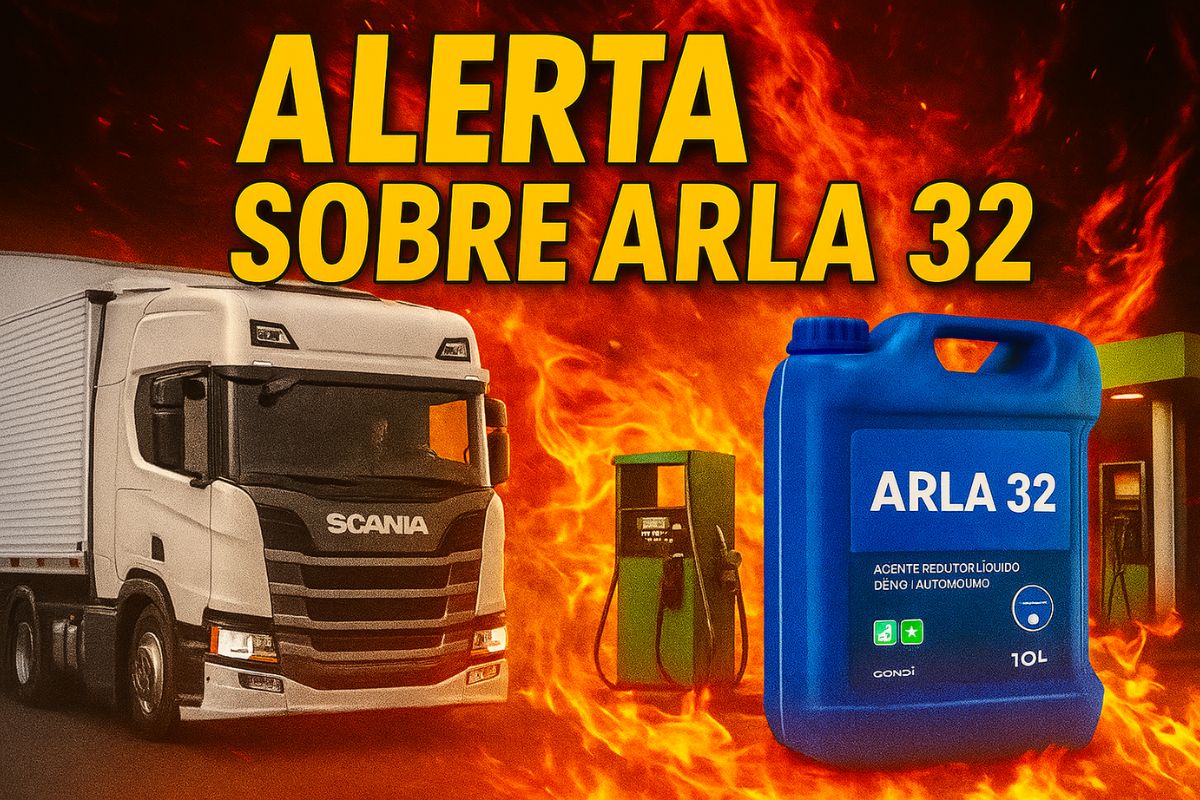
Cases of Adulterated Arla 32 Surge in the Country and Already Cause Million-Dollar Losses. The Counterfeit Product Harms the Environment, Damages Engines, and Can Cost Up to R$ 20 Thousand in Repairs. PRF and Ibama Tighten the Crackdown, and New Technologies Aid in Enforcement.
What should have been a sustainability ally has turned into a headache for those driving diesel vehicles in Brazil. Arla 32, an essential fluid to reduce pollutant emissions, is being widely counterfeited, putting both the environment and the health of engines at risk, as well as the wallets of drivers.
Used in trucks, buses, vans, and even pickups, Arla 32 is injected into the exhaust system to convert toxic gases into water vapor and nitrogen. However, when adulterated, it fails to perform this function, generating more pollution and causing serious damage to the catalyst — a part that can cost over R$ 20 thousand to replace.
Fraud with Arla 32 is Now a National Issue
In September 2024, an operation by Ibama, PRF, and Inmetro seized over 48 thousand liters of counterfeit Arla 32 and 67 tons of agricultural urea used illegally in the production of the fluid. The operation took place in Mato Grosso do Sul and resulted in fines exceeding R$ 10 million.
-
Brazilian Joins Homeownership Consortium, Faces Decade of Dual Payments Totaling $141,000, Surpassing Traditional Mortgage

-
Land Rover to Halt Production in July, Putting 371 Jobs at Risk, as Chinese Automaker Negotiates to Convert Factory to 100,000 Vehicles Annually by 2027

-
Mexican Pest Threatens U.S. Cattle Herds at Historic Lows, Potentially Boosting Brazilian Beef Exports as Burger Prices Soar

-
Brazilian Freight Bill Progresses in Congress with $5,000 Minimum Wage, 70% Advance Payment, and Fines Up to $1 Million, as Agriculture and Industry Warn of Rising Costs and Legal Uncertainty


The companies involved were operating without an environmental license and were using inappropriate raw materials — a serious violation that affects both the environment and the trust of those who depend on diesel to work.
What Happens When Using Adulterated Arla 32?
- Increased NOx emissions, highly polluting gases
- Risk of catalyst SCR failure, essential for emissions control
- Compromised engine performance, with loss of power and increased consumption
- Possible electronic lock of the vehicle, if detected by the onboard system
In other words, the cheap option can end up being very expensive. In addition to the damages, using counterfeit products constitutes an environmental offense and may result in severe penalties.
Technology in the Fight Against Counterfeit Arla 32
PRF now utilizes new technology that analyzes the electronic history of vehicles, helping to detect fraud in the emissions control system. This includes changes to the software, use of illegal “chips,” or even complete deactivation of the Arla 32 system.
This monitoring allows for smarter enforcement and has already been used on heavily trafficked highways, especially in the South and Central-West regions.
Bill Aims to Protect Drivers
A bill is currently under discussion in Congress that shifts the legal responsibility for using adulterated Arla 32 from the driver to the vehicle owner, often the company. The idea is to prevent self-employed drivers from being penalized for decisions they did not make.
The proposal is under discussion and has the support of transport sector entities and deputies connected to the logistics sector.
How to Protect Yourself?
- Purchase Arla 32 only from brands certified by Inmetro
- Request an invoice and verify the batch and quality seal
- Never accept fluid from dubious sources or at prices significantly below market value
- Perform preventive maintenance and periodically check the emissions system





Be the first to react!