






 5 min of reading
  0 comments


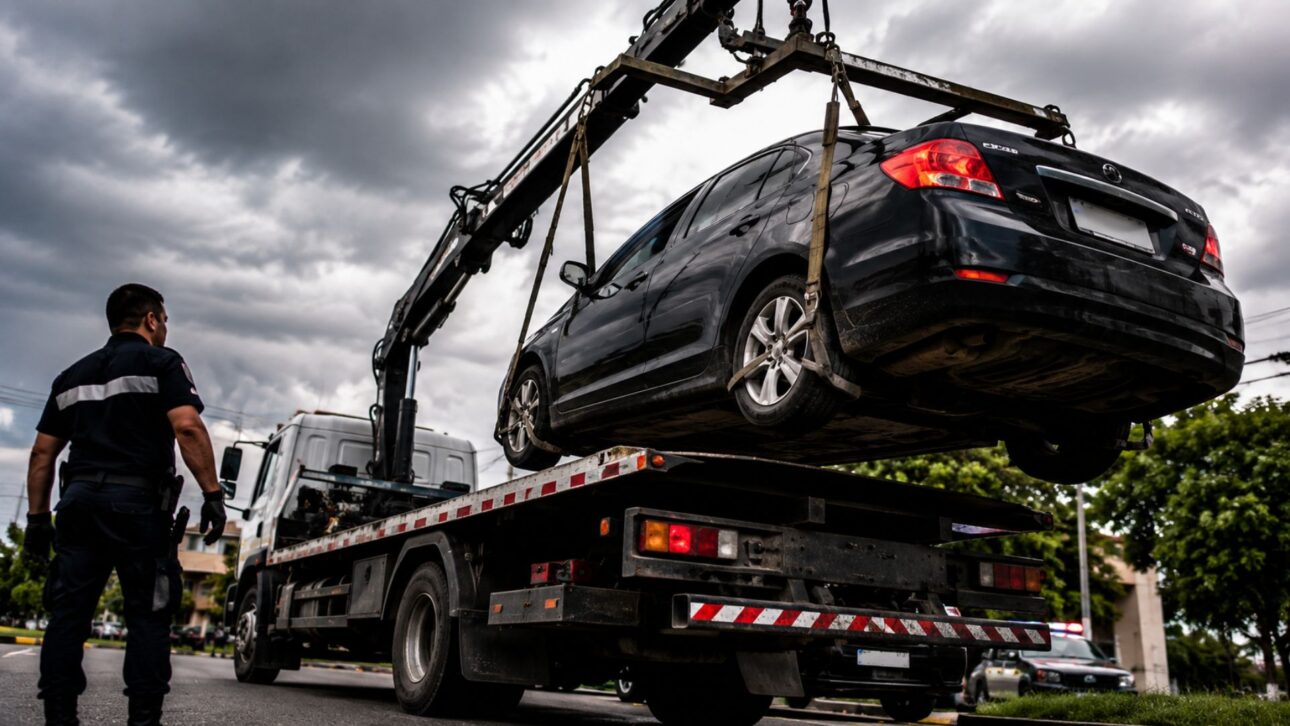
With 73.3 million defaulters and Selic at 15%, default drives vehicle repossession in Brazil: people who bought on vehicle financing and couldn’t pay lose the car, and auctions of recovered cars are filling up. Understand the phenomenon and how not to fall into it.
The dream of leaving the dealership with your own car turned into a nightmare for many people in 2026. Driven by record default and Selic at 15% per year, banks accelerated vehicle repossession, and the result is visible in the yards: auctions of cars recovered from vehicle financing are increasingly crowded, according to a survey by Alpha Autos published by Terra.
The turnaround is harsh and has a national scale. Those who financed in excitement, often at the budget limit, now can’t keep up with the installments and see the car being seized. What was a symbol of achievement turned into a statistic of default, fueling a wave of repossessions that affects the finances of millions of Brazilians.
73.3 million defaulters and the account that doesn’t add up
In January 2026, Brazil reached 73.3 million consumers in default, the worst start of the year in the historical series, according to Alpha Autos. It’s too many people with a bad credit record and debts that keep weighing down.
-
São Paulo Offers Over 13,000 Job Openings: Opportunities in Industry, Logistics, and More Across the State

-
Brazil’s BNDES Allocates $65 Million to Fund 85,000 E-Bikes for App-Based Delivery Workers, Offering Purchase Discounts and Leasing Options to Boost Income and Improve Delivery Operations
-
JBS Invests Nearly $160 Million in Texas Megaproject to Expand Beef Production and Operations Through 2027

-
The urgent need to implement a severe cut in public spending and a massive increase in taxes, in addition to drastically compromising the quality of basic services and the purchasing power of the population, could result in social unrest in the country, with the population leading protests, strikes, and frequent disturbances.


In the car sector, the situation is equally concerning. Default in vehicle financing closed 2025 at 5.6%, an increase of 1.4 percentage points in twelve months, according to Alpha Autos. And the indicator continued to rise: it reached 5.85% in February 2026, the highest level in nine years in Anef’s series, according to AutoIndústria.
Behind this is a squeezed budget. The commitment of family income to debt payments hit a historic high of 29.3%, according to Alpha Autos. When almost a third of income is already committed, any unforeseen event makes the car payment the first to fall behind, paving the way for vehicle repossession.
The Selic at 15% that made the dream more expensive
The high interest rate is the backdrop for everything. With the Selic maintained at 15% per year, credit became expensive, and financing a car now costs much more in interest than a few years ago. Even when the basic rate slightly decreased, the reduction did not reach the final vehicle consumer, according to AutoIndústria.
This high cost has a double and perverse effect. On one side, it increases the installment for those signing a new vehicle financing contract, raising the risk of not being able to pay in the future. On the other, it suffocates those already in debt, because rolling over the debt becomes increasingly expensive in a high Selic environment.
The paradox is that, even though it’s expensive, credit hasn’t stopped growing. There were 703 thousand units financed just in March, an increase of 23.1% over the previous year, with the sector’s portfolio reaching R$ 550 billion, according to AutoIndústria. More people financing under high Selic means, in practice, more candidates for default.
Bought in excitement, financed, and now loses the car
The clash between record sales and short income is the heart of the crisis. In January 2026, there were 616 thousand vehicles financed, the highest volume for the month since 2008, with a strong weight of used cars, according to Alpha Autos. Selling a lot in a high-interest and tight-pocket scenario is the recipe for vehicle repossession months later.
The legal mechanics are known to those who delay. When vehicle financing installments are not paid, the bank initiates repossession and recovers the asset, which was under fiduciary alienation. The car then leaves the owner’s hands and enters the queue for auction.
And that’s where the story becomes personal. It’s not an abstract number: it’s the worker who loses the car they used to get to work, the family that bet on the car and was defeated by default. The vehicle repossession turns the euphoria of purchase into loss and frustration, on a scale of millions.
The auctions of recovered cars are filling up
The natural destination of all this is the car auctions. With more repossessions, the number of recovered vehicles going to auction increases, and the sector projects accelerated expansion in 2026, according to Alpha Autos. What is lacking for some is abundant for others: the auction lots have never been so full.
For the attentive buyer, this can become an opportunity. Repossessed cars are often auctioned for prices below the market rate, attracting those looking to save on a vehicle purchase. The flood of car auctions increases the supply and the chance for good deals.
But the other side of the coin requires caution. Buying in car auctions involves risks, from outstanding debts to undisclosed damages, and requires research before bidding. The same wave of vehicle repossession that fills the auctions also attracts scammers, so the rule is to be wary of offers that seem too good to be true.
How not to fall into the financing trap
The best defense against vehicle repossession is not to overextend yourself at the time of purchase. Before signing a vehicle financing agreement, it’s worth calculating if the installment fits the budget even with an unforeseen event, remembering that the high Selic rate makes the interest heavy and the total paid well above the car’s price.
Some actions reduce the risk. Making a larger down payment, avoiding longer terms just to lower the installment, and not committing more than necessary help avoid increasing the default statistics. The car needs to fit into real life, not just the dream of signing.
And those who are already behind should not wait for repossession with folded arms. Contacting the bank to renegotiate before the case turns into a search and seizure can prevent the loss of the asset. Understanding the phenomenon of vehicle repossession is the first step to not seeing your own car in one of those car auctions.
Conclusion
The wave of vehicle repossession in 2026 is the portrait of a country that bought a lot on expensive credit and is now paying the price. With 73.3 million defaulters, the default on vehicle financing is high and the Selic at 15%, the recovered car auctions multiply, filled with dreams that didn’t fit the budget. Information and caution are the difference between acquiring the car and losing it.
And you, do you think the problem lies in high interest rates, the excitement of those who finance to the limit, or both? Share your opinion in the comments.








Be the first to react!