Portuguese
  Spanish




In 2007, Three People Tried to Sell Coca-Cola Secrets to Pepsi but Ended Up Arrested After a Tip-Off and FBI Action
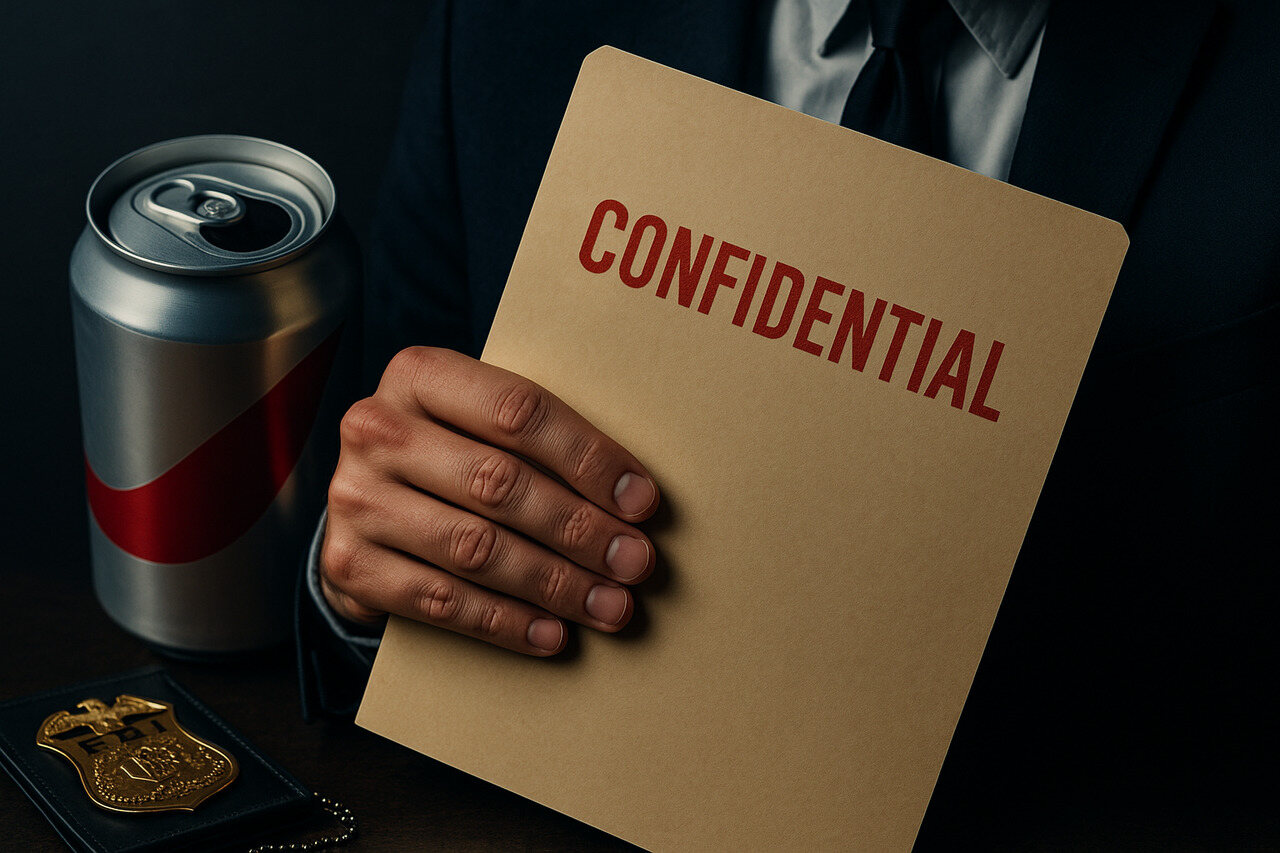
In 2007, a case involving Coca-Cola’s trade secrets captured attention in the United States. Three individuals were convicted after attempting to sell confidential information from the company to rival PepsiCo. Among those involved was an assistant from Coca-Cola itself, who played a central role in the scheme.
Theft and Attempted Sale
Joya Williams was an administrative assistant to the global director of Coca-Cola in Atlanta, at the company’s headquarters.
Using her position, she accessed official documents and even product samples that were still in development. Joya provided this material to two accomplices: Ibrahim Dimson and Edmund Duhaney.
-
Driver Crosses 100-Year-Old Railway Bridge Over Uruguay River, Encounters Rural Couple Preserving Traditional Farming Methods

-
Rural Producer Returns to Brazilian Farmland, Builds Family Agricultural Business with Children’s Support and Industry Backing
-
Goiás Couple Boosts Artisan Cheese Production from 25 to 70 Kilos Daily with Technical Support, Transforming Family Life in Rural Brazil
-
13-Year-Old Discovers Ancient Roman Ring Near Mount Carmel, Now Set for Display in Jerusalem



The trio’s intention was to profit from Coca-Cola’s secrets. To do this, they sent a letter to PepsiCo on Coca-Cola’s letterhead.
In the document, they offered the confidential information “to the highest bidder.” The letter was written by Dimson, who used the alias “Dirk” and presented himself as a senior executive at the company.
Pepsi’s Alert to Coca-Cola
Upon receiving the proposal, Pepsi showed no interest. On the contrary: they forwarded a copy of the letter to Coca-Cola and warned them about the attempted leak.
From there, the company alerted the FBI, which initiated a covert investigation.
To identify those responsible, the FBI set up an undercover operation. An agent posed as an interested buyer.
According to UOL, he even offered US$ 30,000 for part of the documents and promised to pay up to US$ 1.5 million for the rest of the information.
FBI Action
During the negotiation, Dimson sent the agent 14 pages with the Coca-Cola logo. The documents were marked as “Classified – Confidential” and “Highly Restricted.”
The material was analyzed by the company, which confirmed the authenticity of the documents. However, the famous secret formula for Coca-Cola was not among the leaked items.
Joya was identified through wiretaps and surveillance footage. In the videos, she is seen rummaging through files and storing documents and bottles with products still in testing.
Throughout the investigation, it became clear that she was the source of the information sent by Dimson to the FBI.
Conviction of the Involved
During the trial, Joya claimed innocence and stated that she had been deceived by the two men. However, she later admitted guilt. Prosecutor Byung J.
Pak argued that she did not deserve clemency, for having lied in her testimony and chosen to go to trial. Judge J. Owen Forrester, who oversaw the case, stated that the crime could not be tolerated.
Joya Williams was sentenced to eight years in prison for conspiracy. The sentence was greater than the recommended one, according to the judge.
Dimson, who wrote the letter and led the contact with the FBI, received five years in prison. Duhaney, who played a lesser role and cooperated with the court, was sentenced to three years of probation.
With information from UOL.