





 Portuguese
  English
  Spanish
  3 min of reading
  0 comments


Coexistence with Humans Is Altering Survival Strategies in Coastal Wildlife. Research Shows How Urban Environments Favor Unexpected Predatory Behaviors.
For decades, gulls have been associated with cliffs, ports, and open sea. Today, in coastal cities of Europe and North America, they have become permanent inhabitants of concrete. Roofs have replaced rock outcrops, trash bins have turned into predictable menus, and squares full of tourists have begun to function as foraging areas. What seems like just an urban nuisance has turned, for science, into a living experiment on how urbanization creates highly adaptable predators.
From Natural Coastline to Urban Ecosystem
The change did not happen by chance. Urban expansion along the coast has concentrated easy food and reduced the natural variability of marine prey.
In response, gulls quickly adjusted their habits: they began to explore human food scraps, learned garbage collection schedules, and recognized people’s behavior patterns. In cities like London, Marseille, and Barcelona, observations show gulls circling specific areas at the exact time when food availability is highest.
-
Scientists have discovered that the Earth recycles its own continents in the depths, dragging pieces of crust down during plate collisions and returning them later as magma, in a mechanism called relamination that has helped build the continents for billions of years.

-
New mathematical model indicates global population decline by 2064 in an extreme scenario of environmental crises, with humanity potentially halving if Earth’s sustainable capacity is reduced to 2 billion people.

-
Research led by the University of Zurich followed 12 crew members for ten months at the Concordia Station in Antarctica, where winter temperatures can drop to minus 80°C, and identified conflicts, distrust, perceived performance decline, and the formation of subgroups in an extreme environment.

-
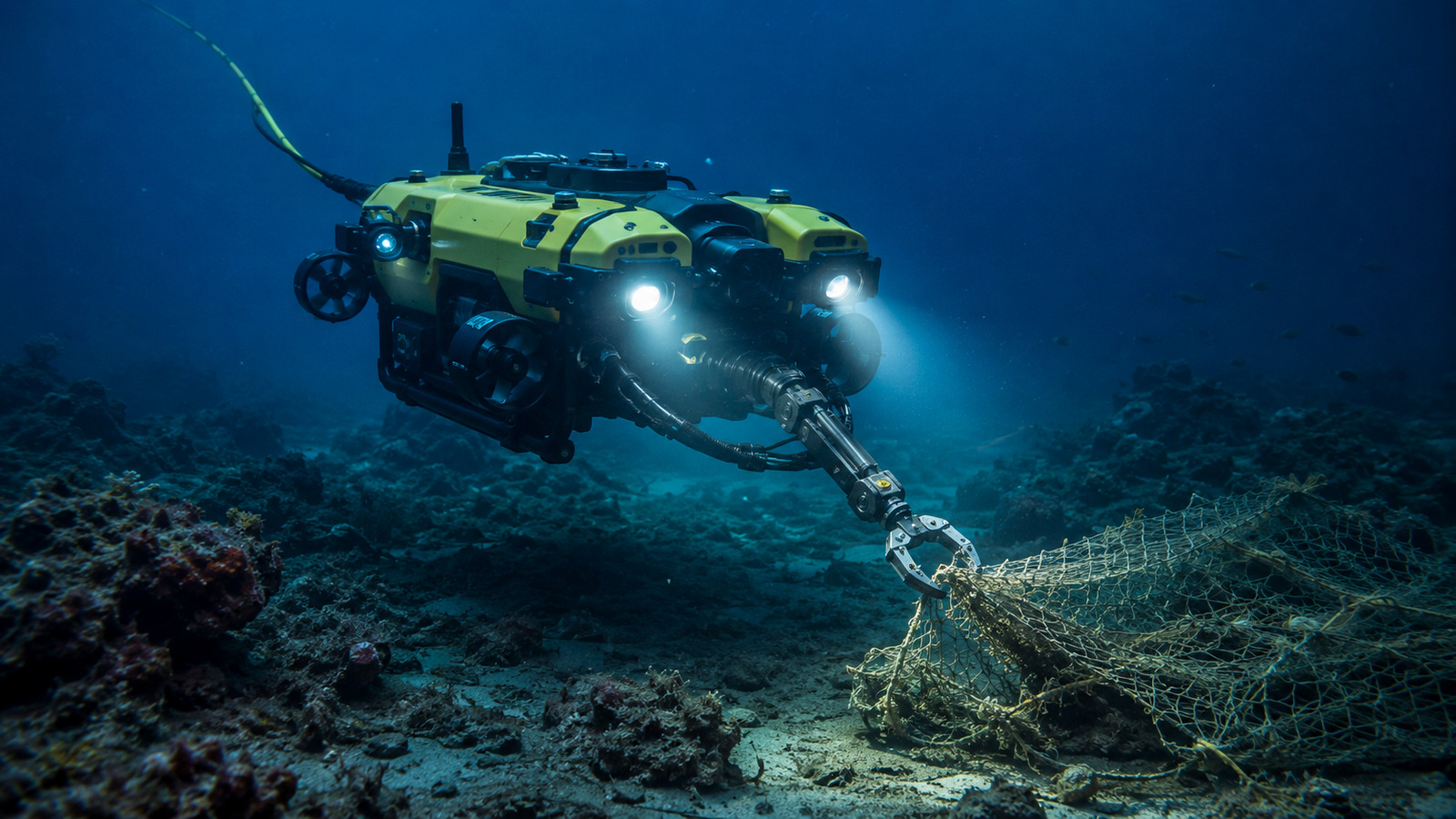
Robot dives up to 500 meters into the dark depths of the sea to retrieve ghost nets that total more than 600,000 tons per year in the ocean and continue capturing animals for centuries.




This predictability is ecological gold. In natural environments, the search for food involves high energy expenditure and uncertainty. In the city, the opportunistic gull finds abundant calories with reduced risk, a scenario that favors bolder and smarter individuals.
Rapid Learning and Opportunistic Behavior
Behavioral research reveals that urban gulls learn by observation. When one bird discovers a food source, others quickly replicate the strategy.
This social learning accelerates urban occupancy and explains why certain cities face local “explosions” of gulls within a few years.
The infamous “theft” of food is not random. Studies indicate that birds choose specific targets, approach from behind, and attack in fractions of a second. For scientists, this demonstrates advanced cognitive ability and fine adaptation to human behavior.
Impacts on Urban Ecology
The constant presence of gulls alters local food chains. By consuming trash, they reduce the availability of organic scraps for other animals, but they also pressure smaller species, such as pigeons and small birds, as well as compete with native birds for nesting space.

On rooftops and urban structures, gull colonies change the dynamics of entire buildings. The accumulation of droppings, noise, and aggressiveness during the breeding season create conflicts with residents, turning an ecological phenomenon into a urban management issue.
Cities as Natural Laboratories
For researchers, gulls offer something rare: the chance to study real-time adaptation. By comparing urban and coastal populations, scientists observe differences in body size, risk behavior, and even diet throughout the year.
Some urban populations show less dependence on marine prey, indicating extreme ecological flexibility.
GPS monitoring and analyses of food waste allow mapping of daily routes, territories, and preferences. These data help answer central questions about urban wildlife: what characteristics allow a predator to thrive in the city? To what extent does the human environment accelerate behavioral changes?
What Gulls Reveal About Us
In the end, urban gulls are a mirror of the cities we have built. They thrive where there is excess waste, food predictability, and artificial structures that replace natural habitats. By dominating rooftops and squares, they expose flaws in waste management and show how urbanization creates unexpected opportunities for opportunistic species.
More than just annoying birds, gulls have become living indicators of modern urban ecology.
By studying them, scientists are not only understanding the behavior of a species but also deciphering how concrete, human consumption, and city routines are reshaping wildlife on the coast of the 21st century.




-

-

-

-

6 people reacted to this.