





 Portuguese
  English
  Spanish
  3 min of reading
  0 comments


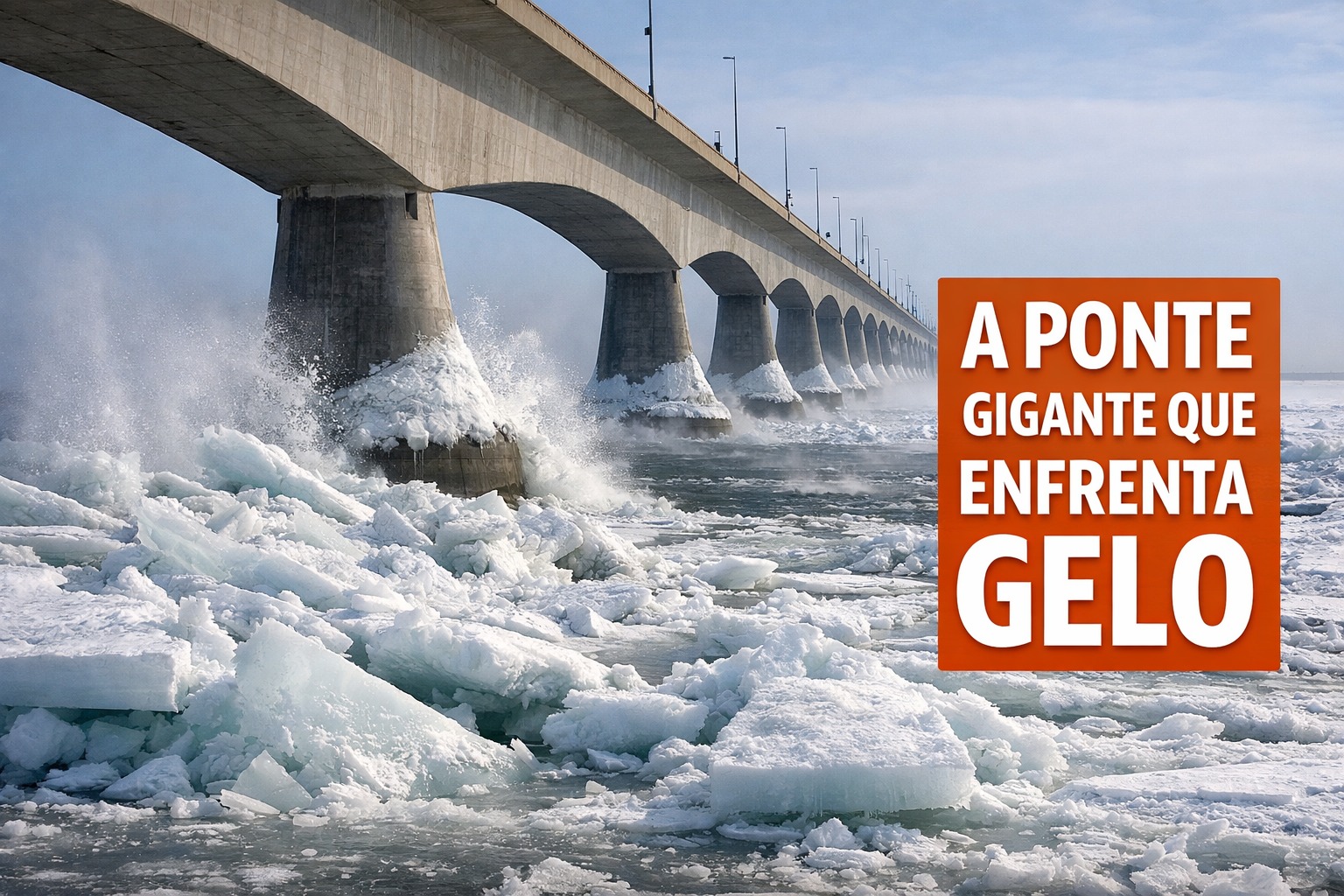
The Longest Bridge Over Frozen Waters in the World Transformed Mobility, Economy, and Tourism by Permanently Connecting Prince Edward Island to the Canadian Mainland with Lasting Impacts for the Entire Region
In eastern Canada, the Confederation Bridge is a feat of modern engineering. With a length of 12.9 km over the icy waters of the Northumberland Strait, the bridge, inaugurated in 1997, became the largest in the world built over freezing waters and has become a vital link between Prince Edward Island and the mainland.
More than just a physical route, it symbolizes overcoming natural barriers and transforming a region historically dependent on weather conditions.
A Structure Designed to Withstand Ice
The biggest challenge of the Confederation Bridge lies not only in supporting the constant weight of vehicles but also in resisting the force of ice that moves in the strait during the winter months.
-
While Brazil has been discussing the Rio-São Paulo bullet train for 30 years, India drilled 14 km of rock at an altitude of 3,000 m and in June completed the largest bi-directional road tunnel in Asia.

-
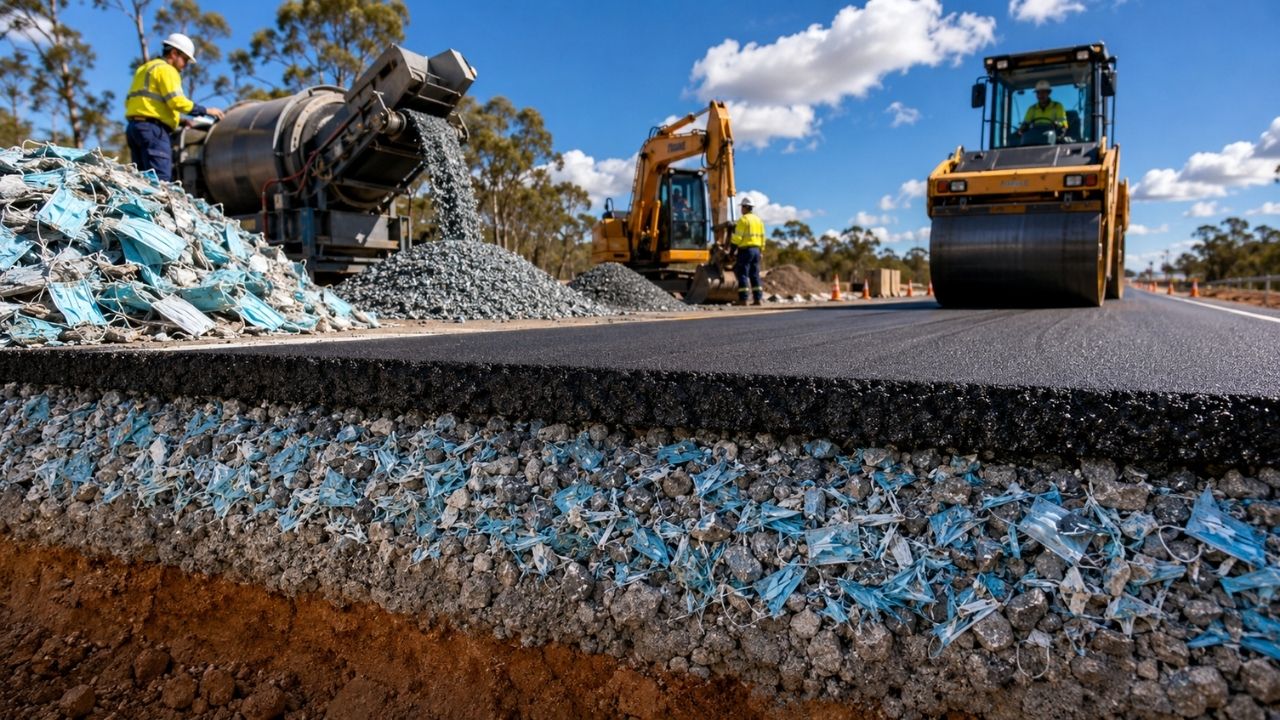
Disposable masks that would end up in the trash can become road base in Australia, where RMIT researchers mixed shredded PPE with recycled construction debris to create a material capable of using millions of units per kilometer of pavement.
-
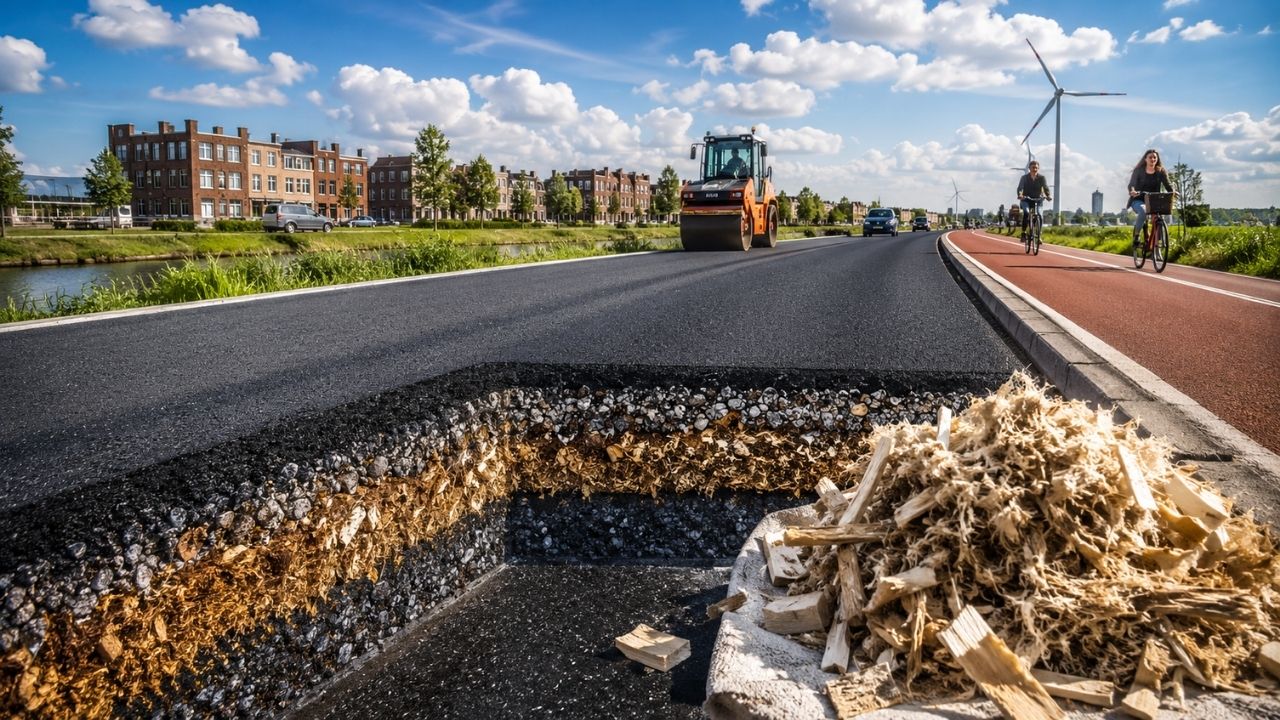
Forget conventional asphalt: The Netherlands is already testing roads with lignin capable of replacing half of the fossil bitumen, reducing CO₂ emissions by 30%, and transforming a paper industry waste into a plant-based binder for more sustainable and resilient pavements.
-
A material four times lighter than steel and twice as strong has just arrived at construction sites and may permanently retire the traditional rebar, with its structures lasting more than a century without needing a single maintenance.



To handle this extreme scenario, the bridge’s pillars were designed with cone-shaped ice shields at the base.
When an ice floe or even a small iceberg collides with the pillar, this cone shape causes the ice to be pushed up, bending and breaking under its own weight.
Thus, the direct impact is avoided, drastically reducing the risk of damage to the structure. This solution ensures that the crossing remains safe year-round, even in adverse conditions.


Economic Transformation and Regional Integration
Before the bridge was built, the only way to reach Prince Edward Island was by ferry.
This made the province isolated at various times and highly dependent on the weather. The inauguration of the Confederation Bridge changed this scenario profoundly.
The permanent connection with the mainland facilitated tourism and boosted the export of agricultural products, especially potatoes, one of the main items of the local economy.
Infrastructure projects capable of overcoming natural barriers are considered crucial for regional development.
In Brazil, for example, DNIT faces similar challenges with bridges over large Amazon rivers, although ice is not a factor in those cases.

Crossing That Became an Experience
Beyond its practical function, the bridge has also established itself as a tourist attraction. Stopping on the structure for photographs is not allowed, but the crossing itself offers a scenic experience with wide views of the ocean.
There are observation points and visitor centers at both ends, where one can see the elegant curve of the bridge over the sea.
For those wanting to learn more about one of North America’s most striking engineering works, we have selected content from the channel OurRetiredLife, which explores tourist destinations in high definition.
In the video, experts visually show the complete crossing of the Confederation Bridge, linking Prince Edward Island to the mainland in Canada.
Once a year, the bridge is closed to vehicles and opened to pedestrians during the “Confederation Bridge Run,” allowing people to walk across the strait.
There is a toll to use the bridge, charged only on the way out of the island. The amount is considered high by some, but it reflects the maintenance cost of such a complex structure in a hostile environment.
Among the recommendations are to check the wind conditions, especially for tall vehicles, and to enjoy the viewpoint in Cape Jourimain before crossing.
With information from BMC News.







-

-

-

-

-

-

19 people reacted to this.