






 Portuguese
  Spanish


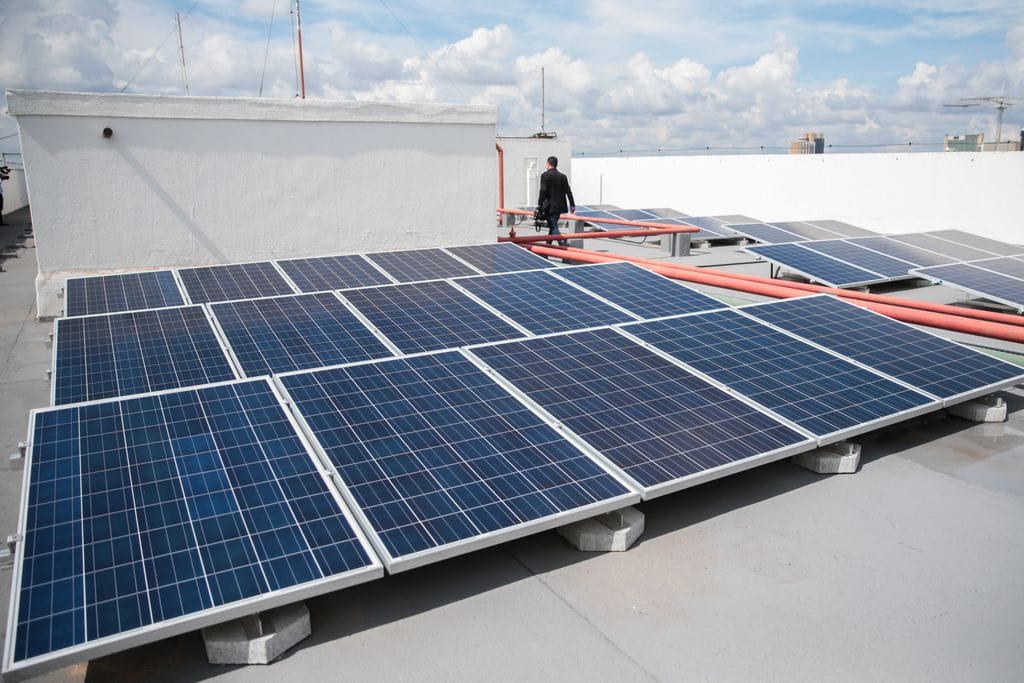

Distributed Mini-Generation Projects Will Have Tax Benefits According to New Energy Policy, with Regulatory Norm Establishing Public Consultation.
The Ministry of Mines and Energy (MME) published, on this Wednesday (1/17), the ordinance that opens the Public Consultation regarding the procedures for generating companies to request classification of distributed mini-generation projects under the Special Incentives for Infrastructure Development Regime (Reidi).
The epbr agency anticipated in December that the government planned to put a draft regulation for public consultation regarding the article of the Law 14.300/2022 that establishes distributed mini-generation projects as priorities for receiving tax benefits. The initiative aims to boost the generation of clean and sustainable energy throughout the country, contributing to the diversification of the energy matrix and the reduction of carbon emissions.
Public Consultation to Regulate Distributed Mini-Generation
The regime grants exemption from PIS and Cofins on the purchases of new machines and equipment, provision of services, and construction materials, but the delay in regulating the text created barriers for businesses to achieve classification, and generators started to resort to the courts to obtain the incentive.
-
World’s Largest Engie Solar Plant in Brazil Highlights Billion-Dollar Energy Waste Issue: Company Considers Batteries and Bitcoin Mining to Avoid Wasting Production

-
Air Products Cancels $2.9 Billion Clean Hydrogen Megaproject in Louisiana, Shuts Down Arizona Unit, Highlighting High Costs of U.S. Energy Transition
-
Over 60 Tractors Take to the Streets in Lopera as Solar Parks Compete with Olive Groves, Affecting 13,000 to 100,000 Trees According to Conflicting Reports

-
Green Hydrogen Projects in Northeastern Brazil Stalled for 18 Months Awaiting Government Decree, Delaying Billions in Investments


In October 2023, the MME approved, sub judice, the first classification of a distributed generation project. Oasis Solar Central obtained approval after a lawsuit filed against the MME, the Union, and the National Electric Energy Agency (Aneel).
- Understand: How did the tax exemption end up in court?
Procedures for Generating Companies of Distributed Mini-Generation
The public consultation will be open for 30 days, starting today (17), and will receive contributions on the draft ordinance defining the steps to be followed by generators to request the classification of their projects under the Reidi.
The classification request must be made to the electricity distribution company to which the consumer unit is connected. See the draft here
It also indicates, among other points, the reference limit for investments in distributed mini-generation plants to receive the benefit, which varies according to the energy source.
For photovoltaic solar (including floating) and thermal (all types, including qualified cogeneration), the limit is R$ 4,000/kW of installed capacity. Hydropower (CGH) has a limit of R$ 5,000/kW, and wind power R$ 4,500/kW.
Source: EPBR








