






 Portuguese
  Spanish




With debts exceeding 600 million reais and serious labor issues, the company faces the risk of being sold to foreign interests, which could compromise Brazilian technological secrets. The meeting, presided over by the government of Brazil, aims to find solutions to maintain technological capacity and jobs, as well as ensure the continuity of Avibras operations on national territory.
The Government of Brazil, concerned about the future of Avibras, summoned ministers and specialists to discuss solutions for the financial and operational crisis faced by the company, known for its advanced military projects such as the Astros system. Avibras, which has accumulated debts exceeding 600 million reais and is facing labor issues, risks closing its doors or being sold to foreign investors, which could compromise national security by allowing access to sensitive technologies.
In an emergency meeting held last Wednesday, led by President Luiz Inácio Lula da Silva, present were the Minister of the Civil House, Rui Costa, the Minister of Defense, José Múcio Monteiro, the Army Commander, General Thomas Paiva, and the president of BNDES, Aloísio Mercadante.
Crisis at Avibras Not Only Threatens Job Security but Also Puts Brazil’s Technological Autonomy at Risk


The meeting focused primarily on discussing the future of Avibras and finding a solution that preserves the company’s technological innovation capacity, ensures job continuity, and avoids the risk of deactivating operations.
-
They exchanged the idea of a large house for a 35 m² warehouse, spent US$ 12,000 on the structure, and created a tiny house in Colorado with space to live and work.

-
While modern cities rely on pumps and electricity, in Iran, ancient tunnels carried water through the desert using only slope and gravity.
-
Instead of sending families far from the city, a project in Chile intentionally created incomplete houses on expensive urban land and left technical space for each to grow.
-
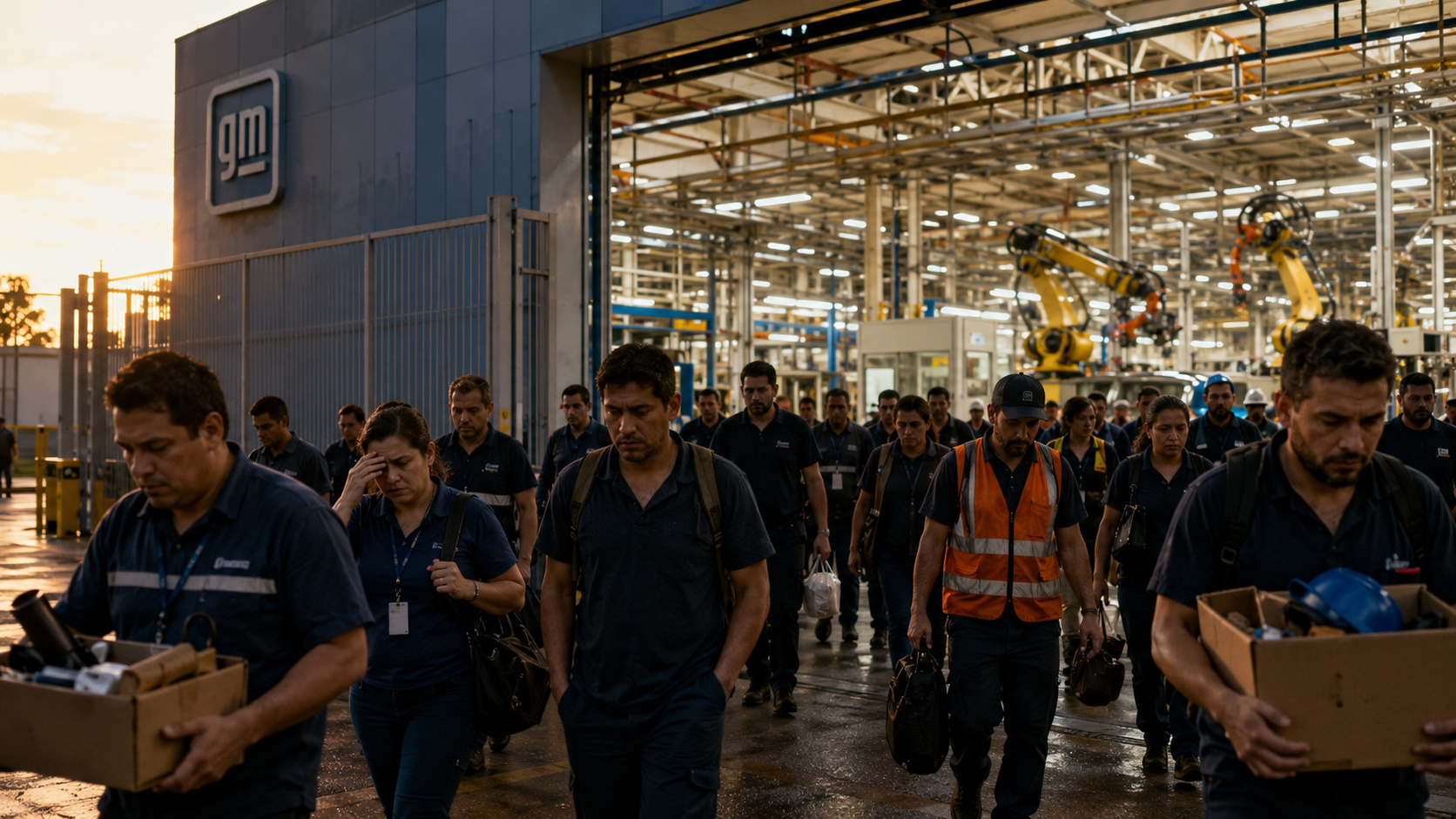
General Motors Replaces Over a Thousand Workers with 50 Cobots at Electric Vehicle Plant, UAW Union Criticizes Move Amid Industry’s Automation Push


The crisis at Avibras not only threatens job security but also puts Brazil’s technological autonomy in the defense sector at risk. The company is currently developing the tactical cruise missile, a high-precision weapon capable of striking targets up to 300 kilometers away with a margin of error of less than 9 meters, placing Brazil among the few countries with this advanced capability.
Brazilian Government, by Intervening in the Situation of Avibras, Signals Its Commitment
The potential sale of Avibras to DefendTex, an Australian group, sparked heated debates. Unions and leftist politicians criticize the idea of denationalization, arguing that such a move would be a disastrous outcome for a strategic company in the national defense sector.
The Brazilian government, by intervening in the situation of Avibras, signals its commitment to maintaining national sovereignty and the importance of preserving a crucial industry for the country’s defense. Resolving this crisis will be decisive for the future of Brazilian defensive capacity and for the preservation of critical technologies developed in the country.






Hora de estatizar. Juntar com Imbel, por exemplo. Entregar para grupo estrangeiro é ato lesivo. Não se entrega a defesa da nação à ninguém.
Se o governo fosse sério e se estivesse realmente disposto a resolver essa questão, bastaria boa vontade e cortar, por exemplo gastos com viagens de puro exibicionismo para demonstrar poder, sem nenhum pudor! Valores esses que superam esse valor!
A solução bem com trinta anos de atraso…