






 Portuguese
  Spanish
  5 min of reading
  0 comments


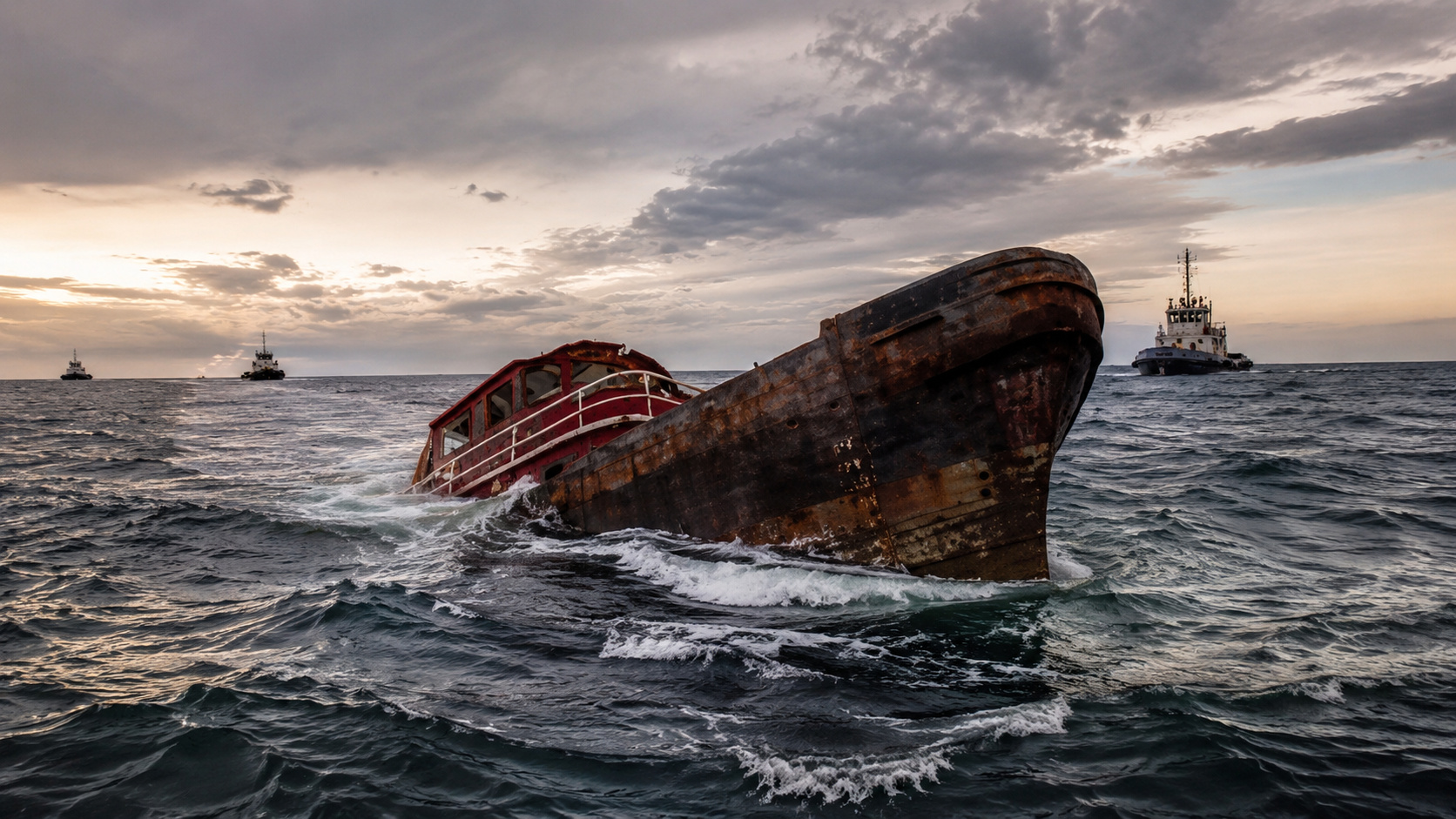
HAZAR, abandoned military ship in South Carolina, was removed from coastal swamp, cleaned, and sunk as an artificial reef 32 miles from Charleston.
According to the Post and Courier, on the morning of December 7, 2025 a convoy of vessels from the South Carolina Department of Natural Resources, the Coastal Conservation Association of South Carolina, and the company Stevens Towing oversaw the controlled sinking of the HAZAR about 40 miles off the coast of Charleston. The ship, a former U.S. Navy torpedo retriever measuring 120 feet, about 36 meters, had been abandoned for four years in Bohicket Creek, in a sensitive coastal swamp area.
The HAZAR was decommissioned by the Navy, sold to a private owner, and then left in the mangroves, where it blocked water flow, threatened protected species, and leaked oil and hydraulic fluids. After an investigation by the SCDNR, the responsible party was arrested, and the ship was eventually turned into the 612th artificial reef in South Carolina, sinking 32 miles from Charleston.
Ship abandoned in Bohicket Creek became an environmental threat in the coastal swamp
According to the Post and Courier, the Bohicket Creek is a tidal creek that cuts through the Edisto islands, south of Charleston, in a highly productive tidal marsh region.
-
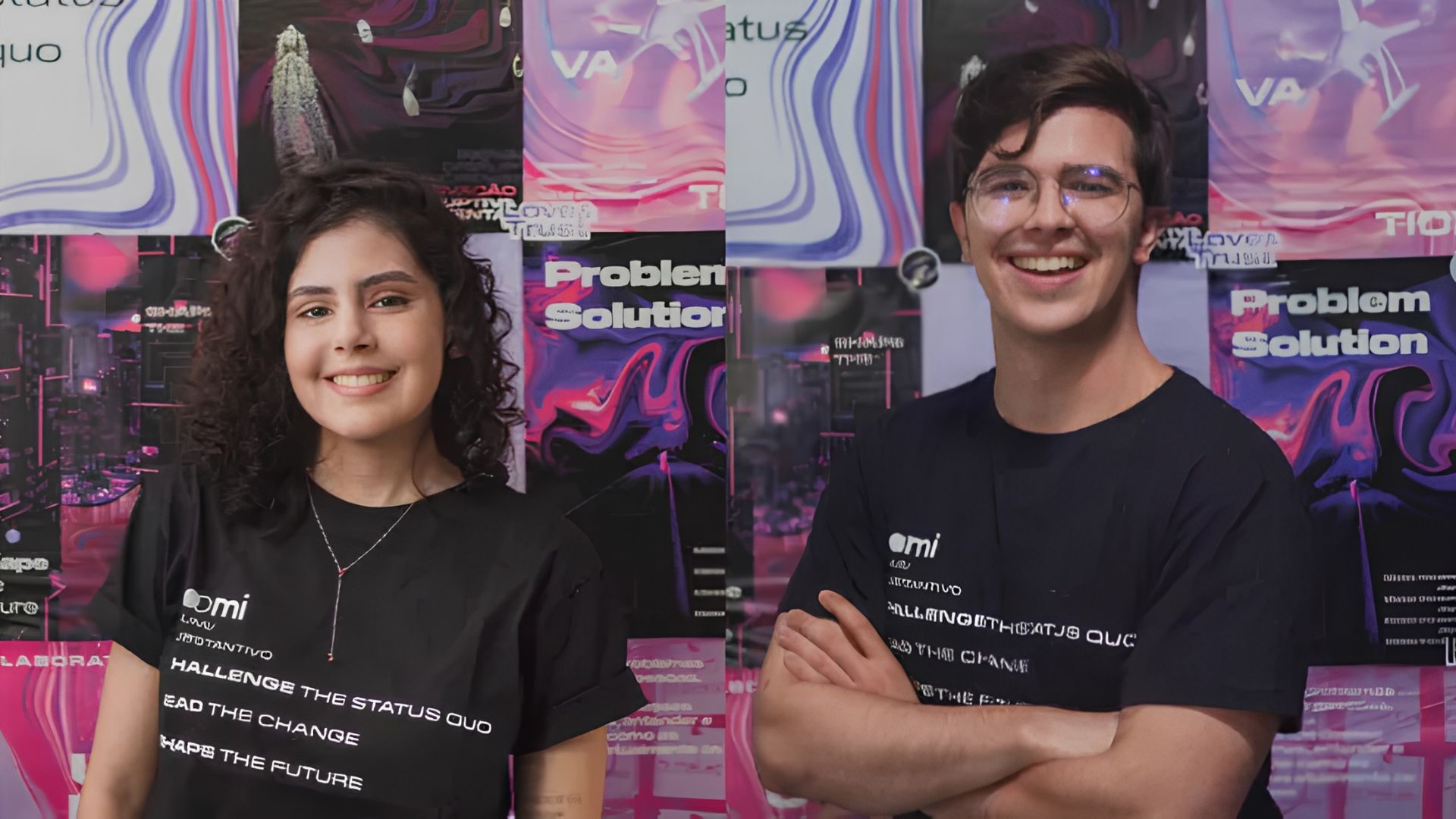
At 22 years old, a young person from Recife creates an artificial intelligence startup with a team barely over 25, serves giants like Bayer and Ipiranga, earns millions without taking a cent from investors, and transforms a young company into a national AI phenomenon.

-
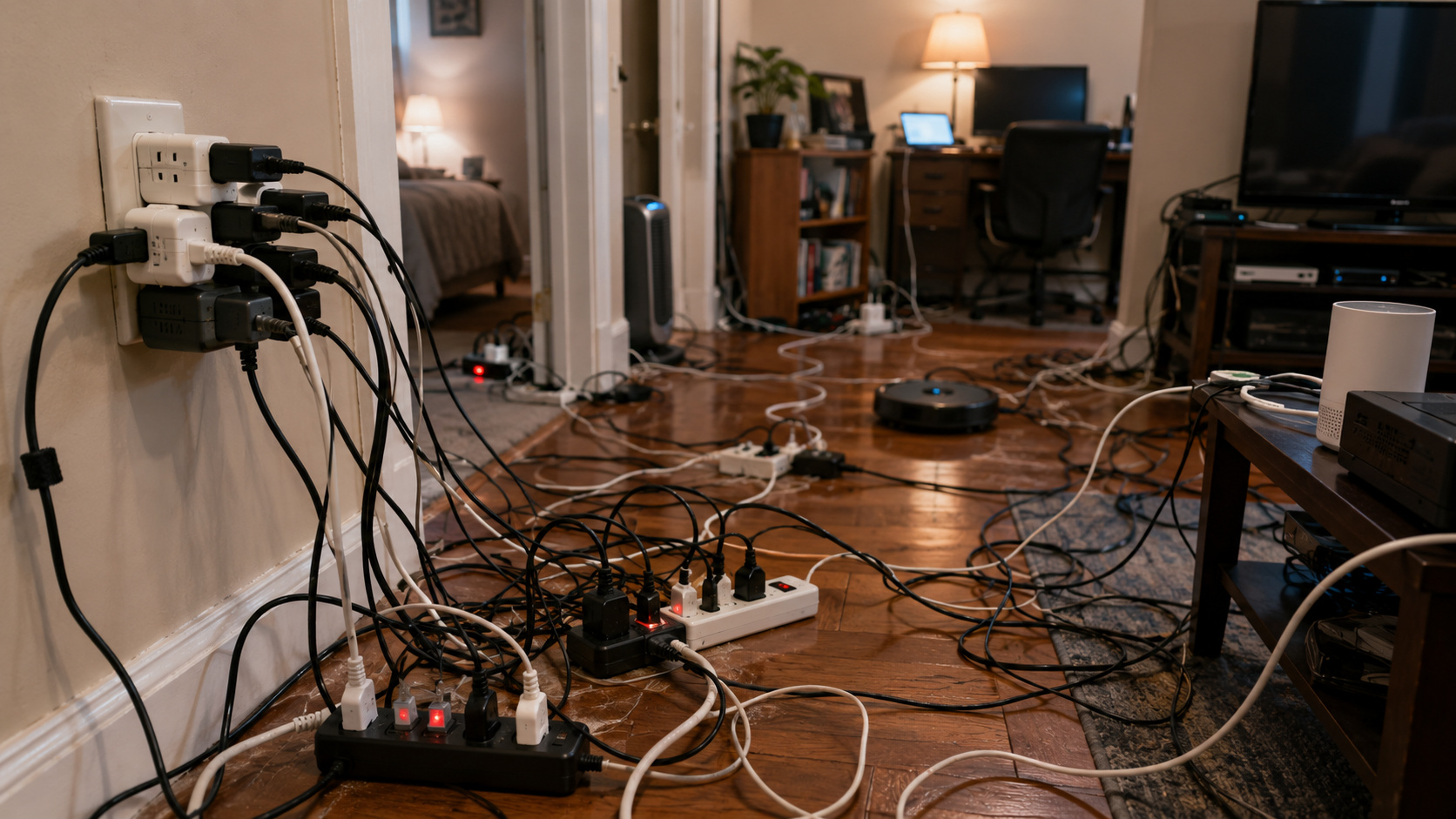
The invisible danger inside the house: plugging too many devices into the same outlet and spreading extensions throughout the rooms can overload the electrical network, silently heat wires, and turn a common habit into one of the leading causes of house fires.

-
Goodbye traditional laundry: Roborock launches washer and dryer with super hydrolysis, microbubbles, 99.99% sterilization, low-temperature drying, automatic detergent, app control, and cycles to remove stains, odors, mites, and bacteria from clothes.

-
It is now possible to generate energy without batteries: new flexible material transforms body heat into electricity and paves the way for more efficient, autonomous, and comfortable wearable devices, with the potential to revolutionize personal electronics in the coming years.


This type of environment functions as a natural nursery for shrimp, crabs, juvenile fish, and migratory birds, being one of the most valuable ecosystems on the American east coast.


A steel ship measuring 36 meters stranded in this type of area creates several impacts at once. The hull blocks the natural tidal flow, alters water circulation, harms species reproduction, and releases contaminants as it rusts and degrades. Additionally, fuel oil, hydraulic fluids, and greases progressively leak into the water and sediment of the swamp.
The director of SCDNR, Tom Mullikin, summarized the issue by stating that abandoned vessels are dangerous both for navigators and for the ecosystem. In the case of the HAZAR, the abandonment was treated as a sufficiently serious situation to warrant a formal investigation and the arrest of the owner.
Environmental cleanup was decisive in transforming the HAZAR into an artificial reef
According to the Post and Courier, before being sunk in the Atlantic, the HAZAR underwent an environmental cleanup process that took weeks and was executed by Stevens Towing. The goal was to remove anything that could contaminate the marine environment after the sinking.
The team removed the remaining fuel, fuel cells, hydraulic fluids from steering and propulsion systems, engines, and other mechanical equipment with fluids, as well as materials that could fragment and create problematic debris on the seabed.

Even so, a small oil slick appeared over the sinking point, reflecting residues accumulated over the years inside the hull.
The ship was positioned at site Y-73, chosen for its depth and bottom characteristics favorable to the formation of marine habitat. According to Ryan Yaden, director of the artificial reef program at SCDNR, the operation transformed a degraded vessel into a structure with an ecological lifespan potential of at least another 25 years.
Steel hull sunk in the Atlantic becomes a living habitat in a few months
According to the Post and Courier, the ecological transformation of a submerged steel hull begins almost immediately. In the first hours, microorganisms attach to the metallic surface. Within a few days, a biofilm of bacteria and microalgae emerges.
This biofilm acts as a chemical signal for the arrival of larvae of barnacles, mussels, oysters, polychaetes, and sponges, which begin to colonize the hull in the following weeks. In a few months, the steel structure ceases to look like a ship and starts functioning as a biologically active artificial reef.

The speed of this colonization is favored by the coastal waters of South Carolina, where biological productivity is high and the temperature is suitable for the settlement of invertebrates. It is precisely this ecological condition that makes the region’s coastline especially favorable for converting vessels into marine habitats.
South Carolina’s Artificial Reef Program Turned Problem into Ecological Asset
According to the Post and Courier, the HAZAR was not the first abandoned ship repurposed as an artificial reef by the state. South Carolina has maintained an artificial reef program for decades, using concrete structures, retired vessels, and other suitable materials to create offshore habitats.
The Y-73 site, where the HAZAR was sunk, already contained three tugboats, concrete modules, and construction debris. With a depth of nearly 100 feet, about 30 meters, the area is accessible to recreational divers with basic certification and offers favorable conditions for species that prefer deeper, less illuminated waters.
By entering this complex, the HAZAR ceased to be just an abandoned hull and became part of an ecological infrastructure created to expand marine habitat, attract fauna, and reinforce offshore biological productivity.
HAZAR Case Became a Test of Strength for the Abandoned Vessels Law
According to the Post and Courier, the case of the HAZAR was the first major public test of the South Carolina Abandoned Vessels Law, sponsored by state senator Chip Campsen.
The legislation was created precisely to prevent owners from leaving deteriorated vessels in swamps, rivers, and waterways without assuming costs or responsibility.
Before the law, the standard was simple: the owner abandoned the boat, and the problem fell to the state. With the new rule, deliberate abandonment now results in criminal liability, including the possibility of imprisonment, as occurred in this case.
For Campsen, the operation represented a triple gain: removal of an environmental threat from the swamps, legal accountability of the owner, and conversion of the ship into a reinforcement for the offshore reef system. This is exactly the model the state intends to replicate for other abandoned vessels that still pollute the coast and swamps of South Carolina.




Be the first to react!