Portuguese
  Spanish


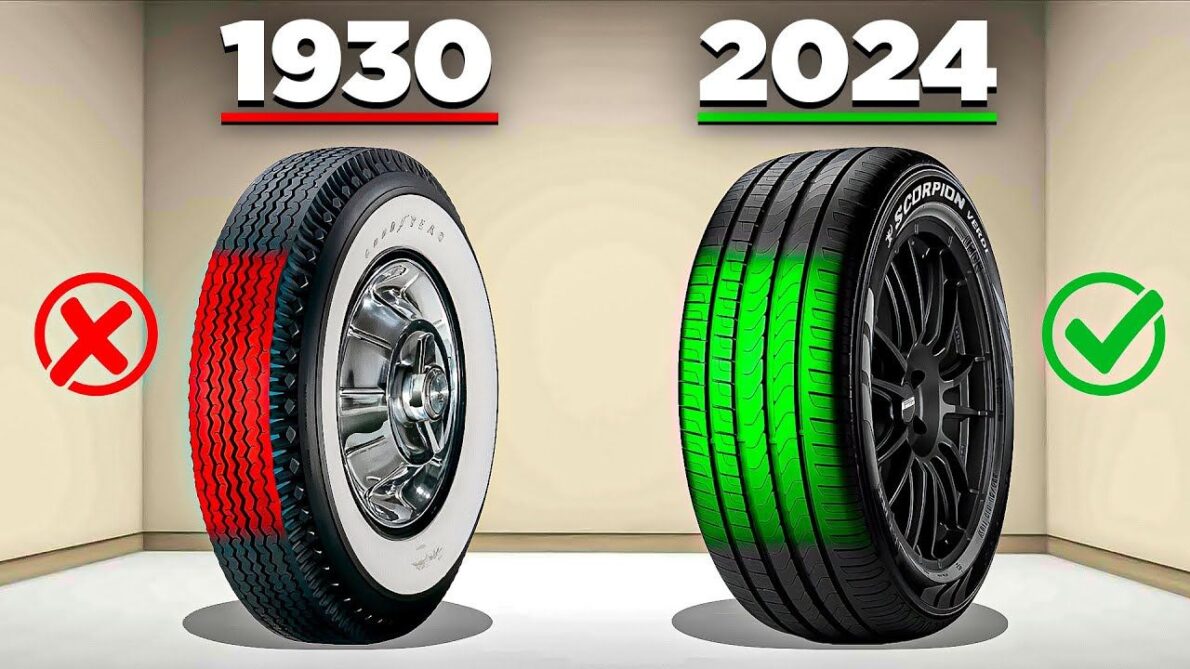

Discover How Tire Engineering Has Evolved Over Ninety Years, Transforming from Noisy and Inefficient Models to Modern Radial Tires That Offer Greater Silence, Fuel Efficiency, and Safety on Today’s Roads.
Tires, essential components for global mobility, have undergone profound changes over the past ninety years. Initially designed without much concern for noise or efficiency, the first tires were notorious for their excessive noise and high fuel consumption due to their bias construction. This changed drastically with the introduction of radial tires in the 1970s, a direct response to oil crises that demanded greater efficiency.
Scientists adjusted the tread geometry to make the tires quieter, distributing sound energy and turning noise peaks into a more uniform sound. The introduction of tread blocks of varying sizes and the randomization of their patterns further helped reduce noise, making the driving experience more pleasant.
Radial Tires Feature Fabrics that Run Through the Tire Radially, Reducing Internal Friction
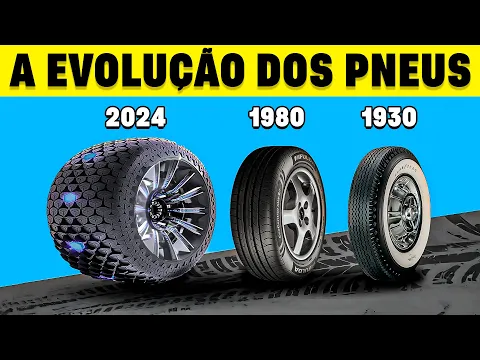

The replacement of bias tires with radials was a crucial advancement. Radial tires feature fabrics that run through the tire radially, reducing internal friction and consequently, the heat generated. This not only improves rolling resistance but also significantly reduces fuel consumption, a huge benefit in times of increasing environmental awareness.
-
End of an era in Brazil: beloved sedan by Brazilians is discontinued despite having a 2.0 engine with 151 hp, CVT transmission, 466-liter trunk, and up to 650 km of range.

-
New Law Proposal in Brazil Could Heavily Penalize Drivers: Dangerous Overtaking May Become a Serious Offense with Fines Increased Tenfold and a 12-Month License Suspension; Update on 2026 Progress

-
Electric Revolution: Watts W125 Motorcycle Offers 160 km Range, 90 km/h Speed, and Affordable Price Starting at $3,000
-
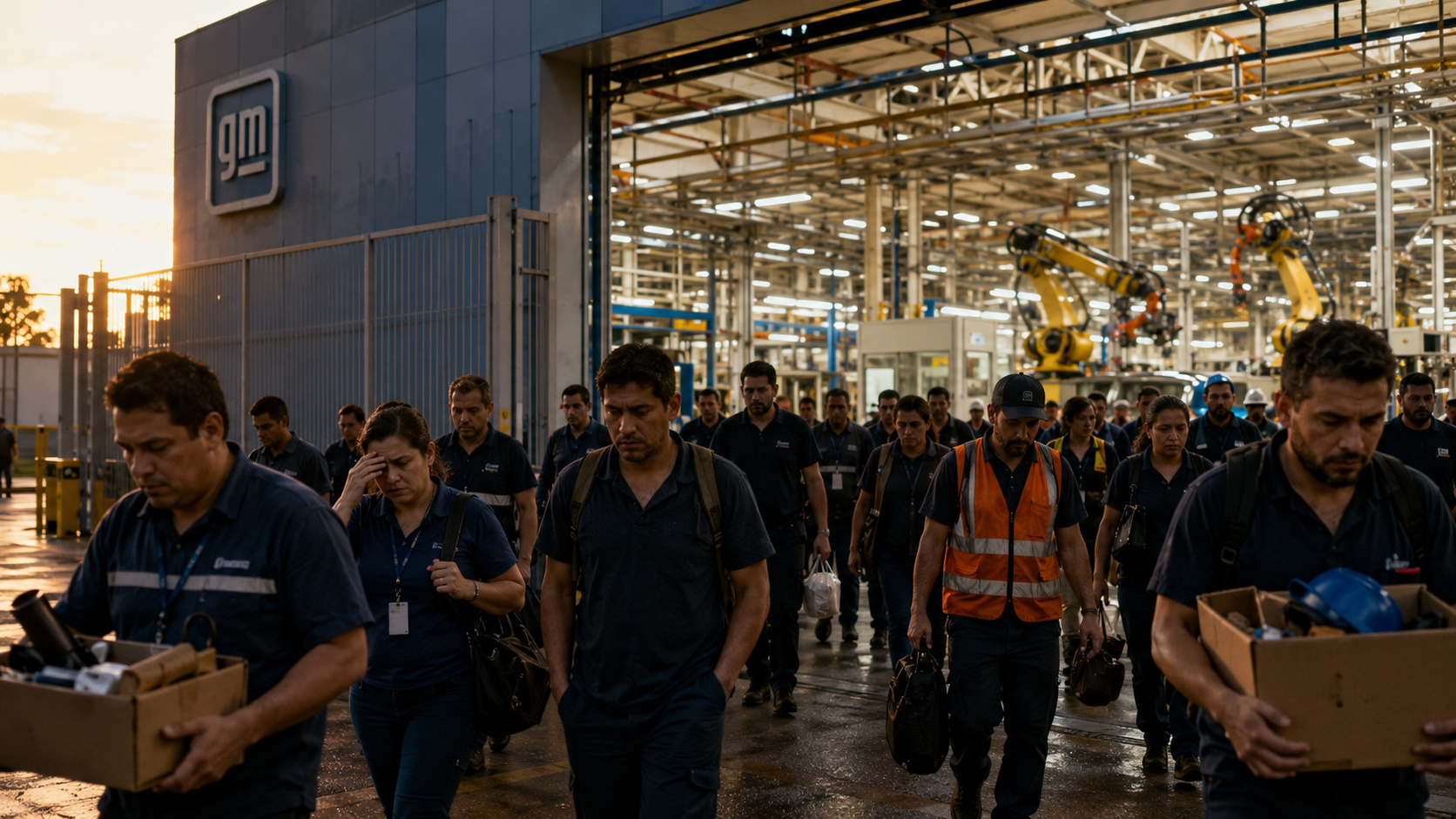
General Motors Replaces Over a Thousand Workers with 50 Cobots at Electric Vehicle Plant, UAW Union Criticizes Move Amid Industry’s Automation Push


Safety has also improved with advancements in tire technology. Radial tires provide greater stability and grip on the road, especially in curves, thanks to the separation between the tread and the sidewall. Additionally, modern radial tires are equipped with protective layers against punctures, increasing their durability and reliability.
Some Manufacturers Use Cost Strategies That Compromise Quality
Despite the advancements, challenges persist. Some manufacturers use cost strategies that compromise quality, such as simplifying sip design (small cuts to expel water). These simpler designs may initially work well, but they tend to deteriorate quickly, increasing the risk of accidents in rainy conditions.
The history of tires is one of continuous innovation and adaptation to the needs of vehicle consumption and safety. Over the years, the engineering behind tires has been refined to offer products that not only meet but often exceed consumer expectations in terms of performance, efficiency, and safety. The coming decades promise even more innovations as the industry adapts to new demands for sustainability and advanced performance.