






 Portuguese
  Spanish
  3 min of reading
  0 comments


Measure That Increased Taxation on Strategic Products May Impact the Pockets of Brazilians Still in 2025
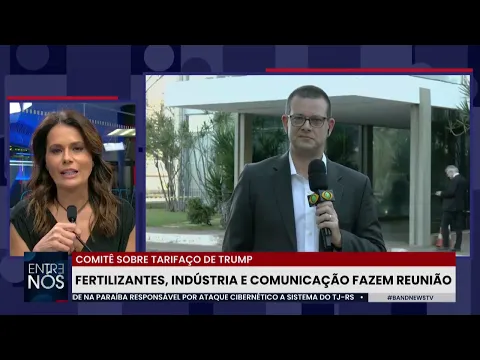
The Minister of Agriculture, Carlos Fávaro, stated on July 22, 2025, that the new policy of reimposing taxes on imports could reduce food prices in Brazil.
According to him, the decision made by the Foreign Trade Chamber (Camex) at the beginning of July was technical and aimed directly at stimulating national production, particularly in the fertilizer sector.
Furthermore, the proposal seeks to decrease reliance on foreign inputs, which could lead to a chain reaction lowering agricultural costs and the final prices of products on store shelves.
Government Seeks to Strengthen Brazilian Fertilizers
Carlos Fávaro explained that the country was facing a flood of imported products with artificially low prices, undermining the national industry.
Therefore, Camex decided to raise the import tax rate on strategic items, such as pesticides and fertilizers, after consulting with various sectors and analyzing economic impact.
The measure is also part of the National Fertilizer Plan, launched in 2022 and reinforced in 2024, aiming to increase Brazil’s productive capacity and reduce logistical and price risks in the international market.
In addition, Vice President Geraldo Alckmin, who is also the Minister of Development, Industry, Commerce, and Services, publicly advocated for the tariff increase as a way to balance the market.
He stated that this reimposition creates a fairer environment for local industry to compete with products that come with subsidies or unfair advantages.
-
Low-Demand Brazilian Beef Offal Gains Popularity Abroad: Indonesia Purchases $19.5 Million, Boosting Revenue and Reducing Waste

-
Soy Expansion in Former Brazilian Savanna Sparks Water and Land Conflicts in Major Agricultural Frontier
-
Mexican Pest Threatens U.S. Cattle Herds at Historic Lows, Potentially Boosting Brazilian Beef Exports as Burger Prices Soar

-
Avocado Boom for European and U.S. Markets Fuels Water Crisis in Drought-Stricken Chilean Region




Price Impact Will Still Be Felt in the Coming Months
Although the proposal may not have immediate effects, Fávaro emphasized that consumers might notice a slight decrease in food prices in the coming months. This would occur because, by encouraging internal fertilizer production, agricultural production costs would be lowered.
Consequently, final food prices could become more affordable.
Still, he reiterated that the impact would depend on the response from the productive sector and the progress of the industry incentive policy.
With this, the government believes that the measure represents a solid strategy for achieving autonomy and food security.
While the expectation is for progressive gains, the Planalto stated that it will continue monitoring the results and is open to adjustments should distortions or imbalances arise in the short term.
Policy Follows Global Model of Industrial Protection
This industrial protection strategy follows examples adopted by major economies such as the United States and European Union countries.
As the technical team of Camex reported, many governments are reviewing their production chains and encouraging national production in sensitive areas, such as agricultural inputs.
In the Brazilian case, the proposal also considers the lessons learned from the 2020 pandemic and the impacts of the war in Ukraine on global fertilizer supply.
Therefore, by increasing the tariff on imported products, Brazil aims to regain part of its productive autonomy, generating jobs and strengthening national supply chains.
According to the Ministry of Agriculture, this movement could even foster new investments in fertilizer plants within the national territory, which would increase the sector’s competitiveness in the medium term.

More Affordable Food Depends on Market Response
Despite the positive expectations, experts from the Getulio Vargas Foundation warned that the effects for consumers will depend on the response time of the national industry.
For food to become more affordable, the agricultural sector will need to reduce its costs with the new input price structure.
Additionally, it is essential that this reduction reaches the final consumer, even if it takes several months or even years.
Nevertheless, Minister Carlos Fávaro assured that Brazil continues on a path of strengthening agricultural policy with a focus on sustainability.
According to him, all recent decisions have been based on technical analyses, emphasizing job creation, economic stability, and balance between supply and demand.
It remains to be seen whether, by the end of 2025, this strategy will genuinely succeed in reducing food costs without creating new bottlenecks for agribusiness.





Be the first to react!