






 Portuguese
  Spanish


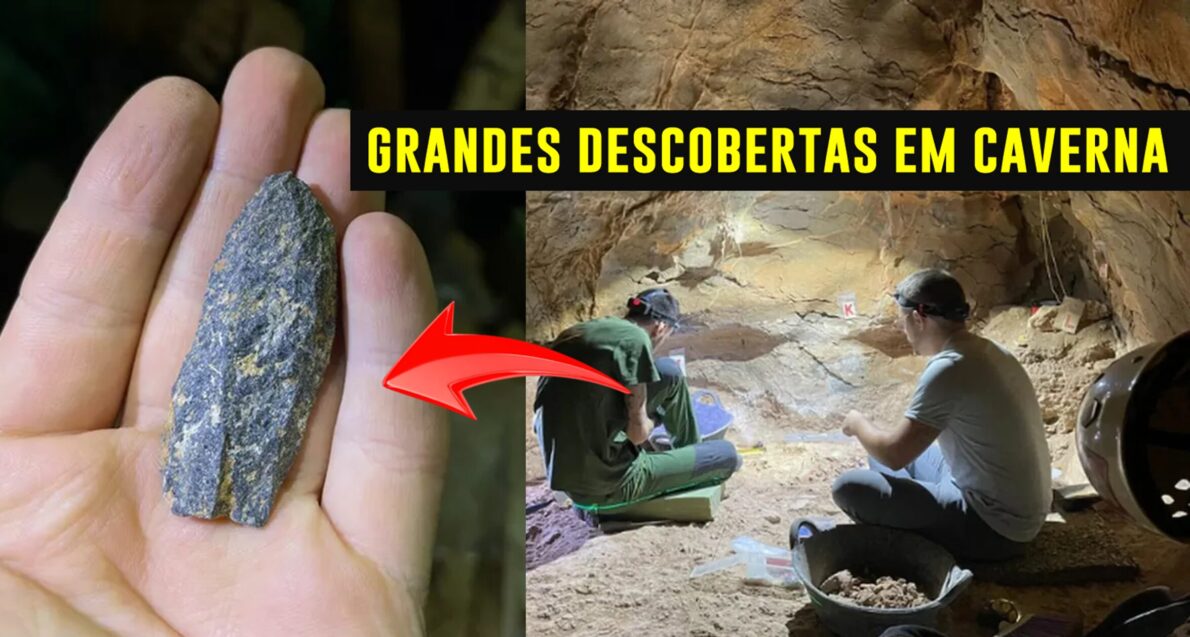

The Discovery of 25,000-Year-Old Tools in a Cave in Spain Reveals Signs of a Primitive Human Civilization. This Amazing Discovery Could Offer New Insights into Ancient Life in Europe!
A significant archaeological discovery in caves in the Pyrenees, Spain, has challenged the established timeline regarding human occupation in Europe. In particular, the cave known as Cova dels Tritons revealed tools that are 25,000 years old, suggesting that Homo sapiens inhabited the valleys of the region much earlier than previously thought.
Previously, it was believed that extreme environmental conditions kept this area uninhabited until the end of the coldest period, around 20,000 years ago. However, the discovered tools change this understanding and indicate that early humans occupied the area before those dates.
Archaeological Discoveries Reveal Surprising Details
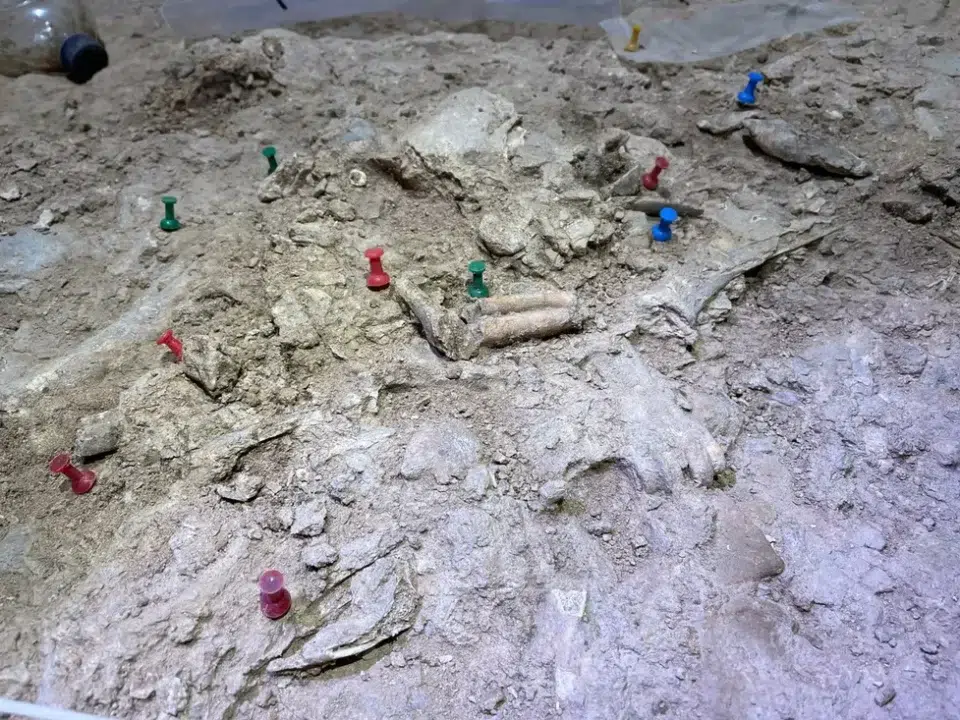
The new archaeological discoveries indicate that early Homo sapiens arrived in the Pyrenees at an earlier time than estimated.
-
Billionaire says the most valuable skill will help overcome job elimination caused by AI, following Bill Gates’ fears

-
A Dutchman created a ‘box’ that makes trees grow in the desert almost without water and without irrigation: the invention has already brought seedlings to dozens of countries and achieves up to 90% survival where common planting did not exceed 10%.

-
Abandoned warehouse hid a giant collection of rare computers, with over 2,000 artifacts from the 1930s to the 1980s.
-
Scientists warn that melting ice is triggering an alarming chemical transformation in preserved areas, and the first signs are already concerning researchers worldwide.




Stone tools and industries associated with these ancient populations were found at deeper levels of the Cova dels Tritons.
According to researcher Maite Arilla from IPHES-CERCA, the stones used to make the tools are local, and the blades found bear similarities to those discovered in coastal areas of Europe. This suggests that the earliest human populations in the region already had advanced technological knowledge.
“These blades and tools are part of a technology that dates back to the time of the first Homo sapiens in Europe,” comments Arilla. However, archaeologists have yet to determine whether the tools belong to the Gravettian or Aurignacian periods, two important phases in prehistory.
Ruth Blasco, another researcher involved in the excavations, revealed that the deepest level of the cave, where the tools were found, brought an unexpected discovery. Until then, it was believed that this part of the Cova dels Tritons had been a refuge exclusively for carnivores, such as leopards and brown bears.
The team was accustomed to finding evidence of goat hunting and bear hibernation. However, after descending another level, the presence of human signs surprised the archaeologists.
Extreme Climate and Archaeological Challenges in the Pyrenees
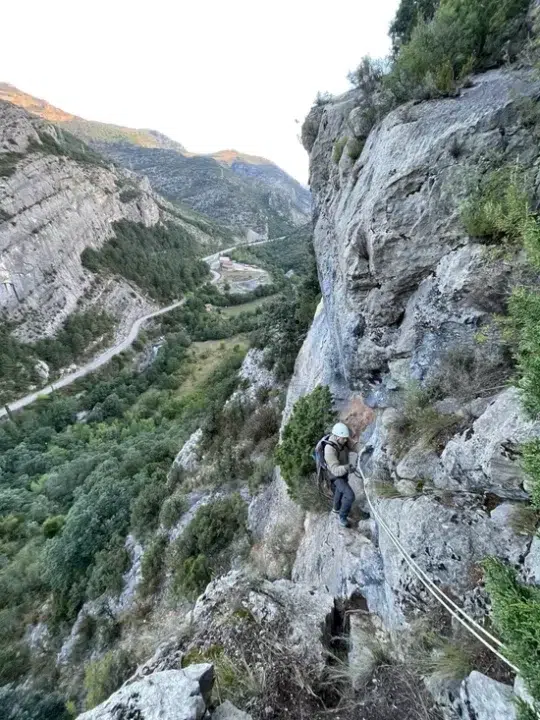
The Pyrenees region is known for its extreme climate, which often complicates archaeological research. The combination of climatic changes over the centuries and the erosion caused by the retreat of glaciers has made the study of these areas a significant challenge.
Moreover, abrupt changes in the landscape, often triggered by intense climatic variations, directly influenced human occupation in the region.
The discovery of tools in other caves in the area, such as Cova de les Llenes, the Nerets, and Cova dels Muricecs, also contributed to understanding how these early populations faced adverse conditions.
Evidence suggests that sudden climatic changes, such as droughts or periods of intense cold, directly affected the survival of these primitive communities. During the Ice Age, for example, many human populations were forced to migrate or modify their survival strategies in response to environmental changes.
In summary, these recent archaeological discoveries not only expand our understanding of human presence in the Pyrenees but also challenge old assumptions about the occupation of the region.
By revealing the presence of Homo sapiens 25,000 years ago, these findings illuminate a still little-known chapter in human history, highlighting the complex relationship between early populations and the drastic climatic changes they faced.





