Portuguese
  Spanish


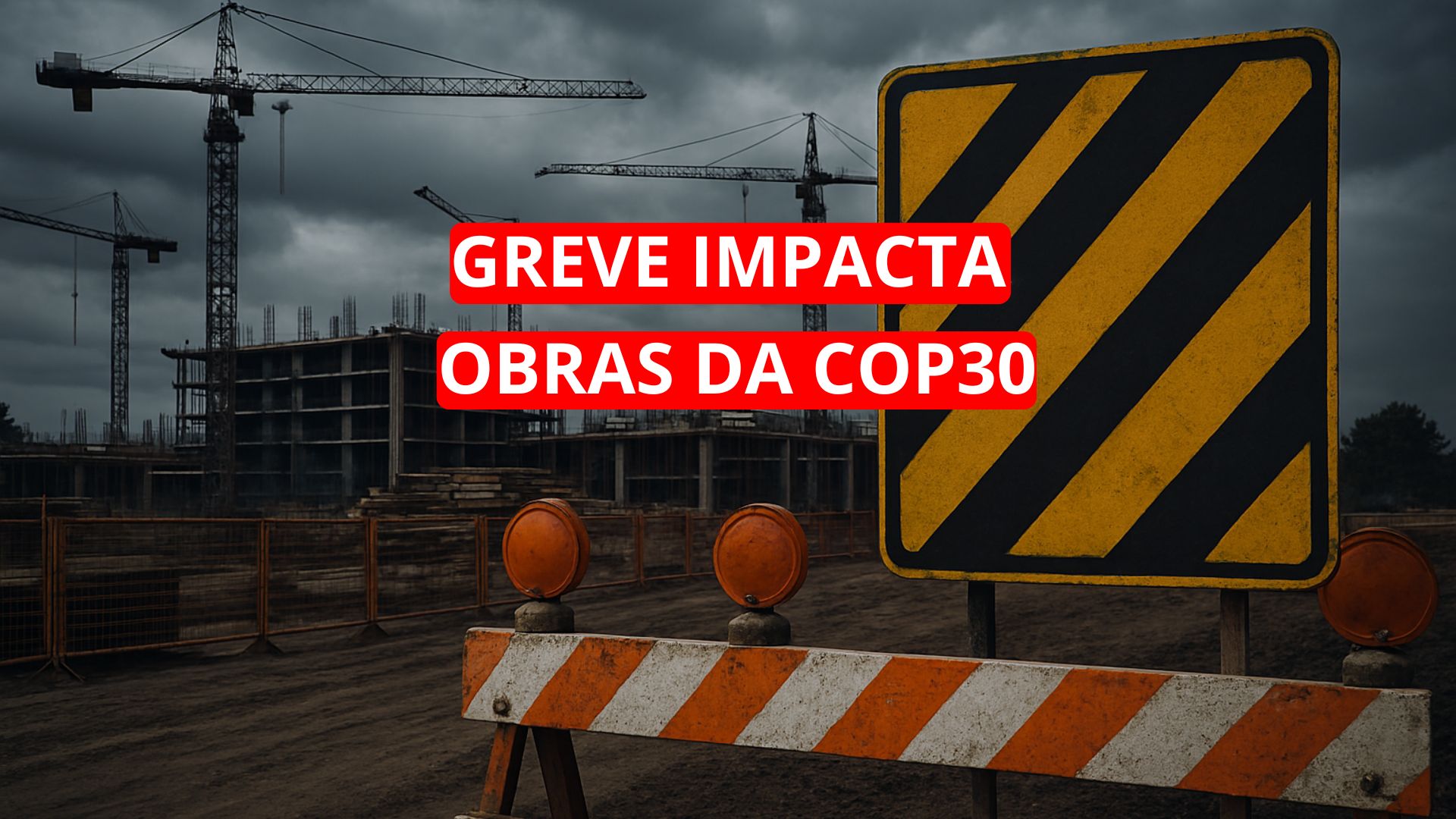

Construction Workers’ Strike in Belém Threatens COP30 Works and Raises Alarm on Delays, Salary Demands, and Impacts on Preparation for the International Climate Event
The city of Belém, in Pará, is facing a significant halt with the outbreak of a strike by construction workers, announced this Monday, September 15, 2025.
The mobilization occurs at a critical time, less than two months before the COP30 — the UN global conference on climate change — and directly threatens the progress of essential works for the event.
Hundreds of workers took to the streets of the capital of Pará in protest for better salary conditions and benefits, intensifying pressure on local business owners and authorities.
-
28-meter, 156-ton titans traveled 20,000 km from China to the port of Santa Catarina: Portonave received 7 fully electric megacranes, part of a R$ 210 million package, to double container handling.

-
They exchanged the idea of a large house for a 35 m² warehouse, spent US$ 12,000 on the structure, and created a tiny house in Colorado with space to live and work.

-
A newly opened terminal in the middle of the Amazon has begun transporting soy and corn through Amapá, eyeing the queue of ships that is congesting the ports in the South.

-
Goodbye to old tiles: renovation technique without construction transforms bathrooms in a few hours, eliminates debris, and reduces costs with coverings using special paints, high-resistance adhesives, and modern finishes that completely renew the space.



COP30 Works at Risk Due to Workers’ Strike
The strike by construction workers in Belém primarily targets the infrastructure works aimed at COP30. According to the Construction Workers’ Union of Belém, about 8,000 workers are active in construction, and many of them are directly involved in projects such as hotels, pavilions, and properties intended for the event.
Among the affected ventures are the Vila Galé, in Porto Futuro 2, and Tivoli, in addition to other establishments that make up the accommodation and reception network for the conference.
By August, only a third of the pavilions planned for COP30 were constructed, according to data from the federal government. The strike represents a real risk to completing the works on time, potentially jeopardizing logistics and Brazil’s international image as the host of the event.
Demands of Construction Workers
The workers demand a 9.5% wage increase, a 30% raise in Profit Sharing (PLR), and an increase in the basic basket value from R$ 110 to R$ 270.
In return, the employer’s proposal offers only a 5.5% wage increase, 3% in PLR, and a R$ 10 increase in the basic basket — amounts considered insufficient by the representatives of the category.
Aurinor Gama, the general coordinator of the union, stated that the business owners ignored the attempts at negotiation, even sending proposals via email without attending in-person meetings. Gama announced during the protest that it was decided to begin an indefinite strike starting tomorrow.
Union Mobilization in Belém Gains Momentum
The demonstration included the presence of agents from the Military Police Shock Battalion, who accompanied the protest through the streets of downtown Belém. Union members were also at construction sites, blocking areas and inviting workers to join the movement.
The march continued to the Sinduscon (Union of Construction Industries) of Pará, aiming to pressure business owners to resume negotiations.
In addition to workers from the capital, workers from neighboring municipalities of Ananindeua and Marituba also joined the strike. Although they work on public projects under a different union, there is an expectation that some of these professionals will join the movement, amplifying the strike’s impact.
COP30 in Belém: Strategic Importance and Logistical Challenges
The COP30 will be held in November 2025 and is expected to attract thousands of visitors, including heads of state, scientists, activists, and journalists. The choice of Belém as the event’s venue was celebrated as recognition of the Amazon’s importance in global climate discussions.
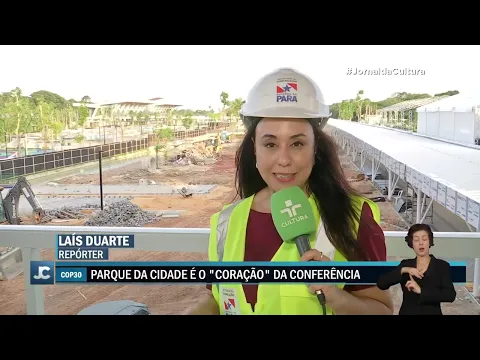
To host the event, the city underwent a urban restructuring plan, with investments in mobility, accommodation, and infrastructure. Construction works are therefore fundamental to ensure logistics and participants’ comfort. The strike calls into question the city’s ability to fulfill commitments made internationally.
Construction Industry in Belém: Growth Without Valuation
The construction industry in Belém has been driven by federal investments aimed at COP30. However, workers report that this growth has not translated into better working conditions. According to the union, there is a precarization of jobs, with stagnant wages and insufficient benefits.
The workers’ strike reveals a paradox: while the city prepares to host one of the most important events on the planet, the professionals responsible for this transformation face challenges in ensuring dignity and recognition.
Political and Institutional Repercussions of the Strike
So far, Sinduscon has not officially commented on the strike. The lack of dialogue has been criticized by representatives of the workers, who point to the absence of commitment from business owners given the strategic importance of the works for COP30.
The Belém city hall and state government have also been called for greater involvement in mediating the conflict. The popular pressure and international visibility of COP30 could accelerate this process, but there is still no forecast for resuming negotiations.
Experts warn that if the strike extends for weeks, the construction schedule will be compromised, directly affecting Brazil’s image before the international community. The search for a balanced solution is urgent and requires responsibility from all parties involved.
Workers’ Strike Exposes Fragilities in Preparation for COP30
The strike by construction workers in Belém is not just a labor impasse. It exposes fragilities in the management of projects aimed at COP30 and raises questions about the ability to articulate between the public sector, private initiative, and civil society.
COP30 should be a milestone of progress and sustainability, but risks being remembered for delays and conflicts. Valuing local labor is essential to ensure that the investments made have a lasting positive impact on the city.
Possible Ways to Avoid the Collapse of Works
Resolving the impasse requires resuming dialogue between business owners and workers. Mediation by the public authority can be decisive in finding a balance that meets the workers’ demands without compromising the construction deadlines.
Furthermore, it is necessary to rethink the way large events are planned in Brazil, ensuring that the workers involved are treated with respect and that their demands are met from the outset. The construction industry is one of the pillars of the national economy, and its workforce needs to be valued.

What Is at Stake for Belém and Brazil with the Strike
More than the completion of COP30 works, what is at stake is Belém’s image as a host city for a global event and Brazil’s reputation as a facilitator of climate solutions. The strike by construction workers is a warning about the importance of investing not only in infrastructure but also in fair and sustainable labor relations.
The mobilization of workers shows that there is no sustainability without social justice. For COP30 to be a success, it is crucial that all parties involved — business owners, government, and society — recognize the central role of workers in building a better future.