Portuguese
  Spanish


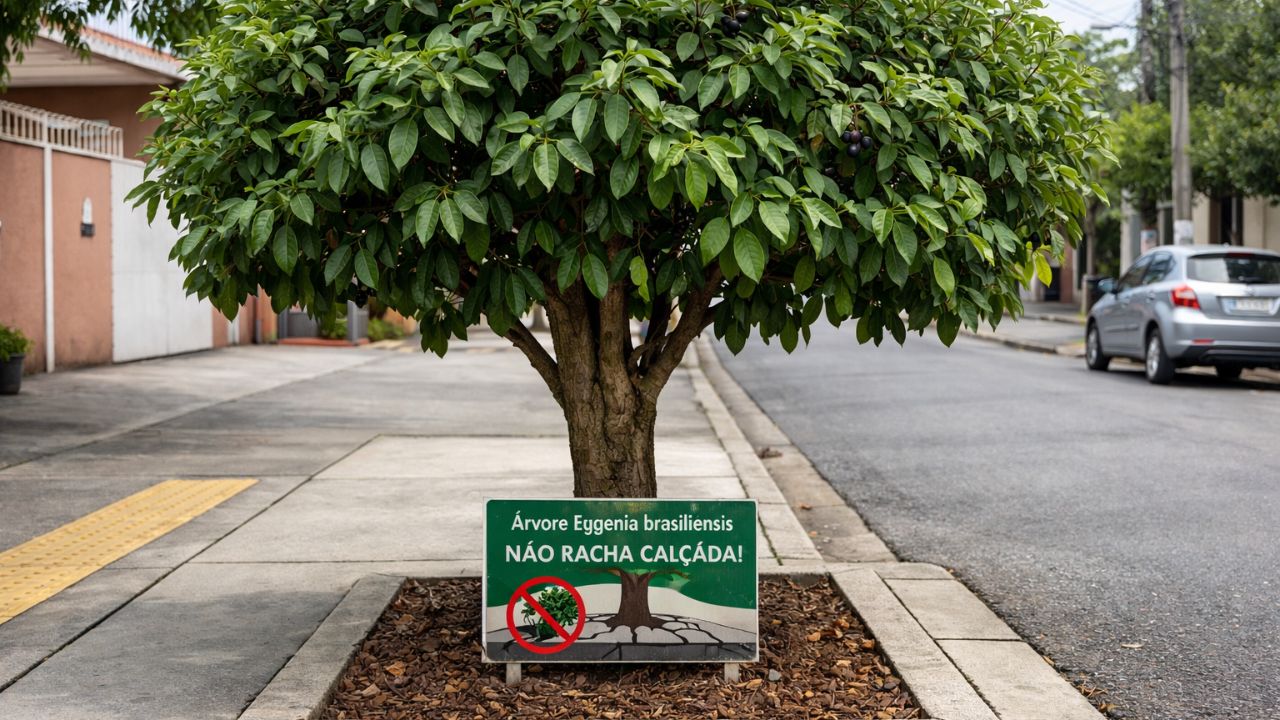


Know Which Tree Does Not Crack The Pavement, Understand The Role Of The Roots, And Know Ideal Species For Yards And Urban Sidewalks.
Those dreaming of a cooler, tree-filled, and functional yard face a recurring question: which tree does not crack the pavement can be planted without compromising sidewalks and structures? The answer involves planning, correct species selection, and appropriate planting techniques.
The topic has gained attention in urban centers precisely because common mistakes often lead to losses, while simple solutions prevent the problem from the start.
What many do not know is that the tree, in most cases, is not the villain.
-
Dairy Farm Prevents Manure Lagoon Overflow with High-Powered Tractors and Industrial Pumps, Turning 100,000 Gallons of Waste into Fertilizer

-
Masked Man Claims to Have Traveled to 2118, Predicts World War Starting with North Korea and Reveals Secret CIA Technology

-
At 54, Brazilian Artisan Turns Textile Waste into a Successful Handbag Brand, Earning Over $6,000 Monthly

-
Brazilian Entrepreneur Sells $50,000 Monthly in Sustainable Luggage Made from Recycled Bottles, Eyes International Market


The real mistake lies in planting unsuitable species in small spaces, ignoring the behavior of the roots.
Why Do Tree Roots Crack The Pavement?
Cracked pavements, swollen sidewalks, and damaged pipes are often a direct consequence of the type of root.
Trees of large stature have tabular roots, which spread laterally across the soil surface.
In search of water and oxygen, these roots grow just below the concrete, exerting constant pressure until cracks occur.
On the other hand, medium-sized species with deep roots follow a different path.
They grow vertically, anchoring themselves in deeper soil layers.
This behavior drastically reduces the risk of structural damage, making these plants ideal for residential yards and sidewalks.
Grumixama Stands Out As A Tree That Does Not Crack The Pavement
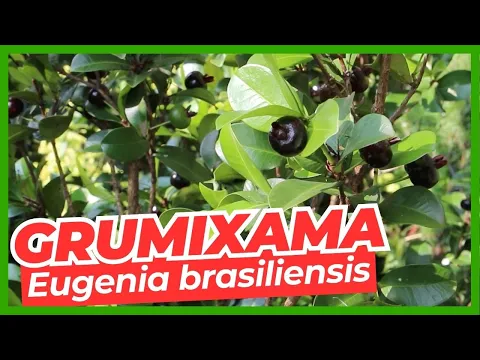
Among the most recommended options is the Grumixama (Eugenia brasiliensis), a species native to the Atlantic Forest that has been gaining ground in urban landscaping.

Although it can reach great heights in natural environments, in urban areas its growth is controlled, staying between four and six meters.
The dense canopy provides effective shade, functioning as a natural filter against heat.
Additionally, the grumixama produces dark, sweet fruits, similar to cherries, that attract birds and enrich the local ecosystem.
The main differential, however, lies in the deep root system, which makes it a tree that does not crack the pavement.
Other Species That Combine Safety, Shade, Fruits, And Do Not Crack The Pavement
Besides the grumixama, other trees prove suitable for those seeking functionality without structural risks.

The pitanga is one of the most popular. When well pruned, it maintains a reduced size and has non-aggressive roots.
Its fruits are aromatic, and the fragrant foliage contributes to the comfort of the environment.
Meanwhile, the cambuci stands out for the shape of its canopy, which resembles a cup and provides ample shade.
Despite the more acidic taste of its fruits, it is widely used in cooking and also has deep roots.
The acerola, on the other hand, is suitable for even smaller spaces. With a shrub-like stature, it does not crack the pavement and offers fruits rich in vitamin C, being a practical and productive option.
Correct Planting Is Decisive To Avoid Future Problems
Even when choosing the right species, success depends on how the tree is planted.
The preparation of the soil directly influences the growth of the roots. Experts recommend maintaining a minimum permeable area of 60 by 60 centimeters around the trunk, allowing rainwater infiltration.
Additionally, some simple practices make a difference in the healthy development of the plant:
- Well-Prepared Soil, with a mixture of earth, sand, and fertilizer, facilitates the vertical growth of the roots.
- Staking helps keep the trunk upright in the first years.
- Deep Watering encourages roots to seek moisture in lower soil layers.
The Right Tree Transforms The Yard And Increases Property Value
Planting a tree that does not crack the pavement is a choice that directly impacts quality of life.
The shade reduces heat, improves thermal comfort, and can decrease the use of electrical appliances. Additionally, well-planned green areas increase property value and make the environment more pleasant.
With information and planning, it is possible to transform urban yards into safe, productive, and vibrant spaces, where the tree stops being a risk and becomes a lasting investment.