Portuguese
  Spanish


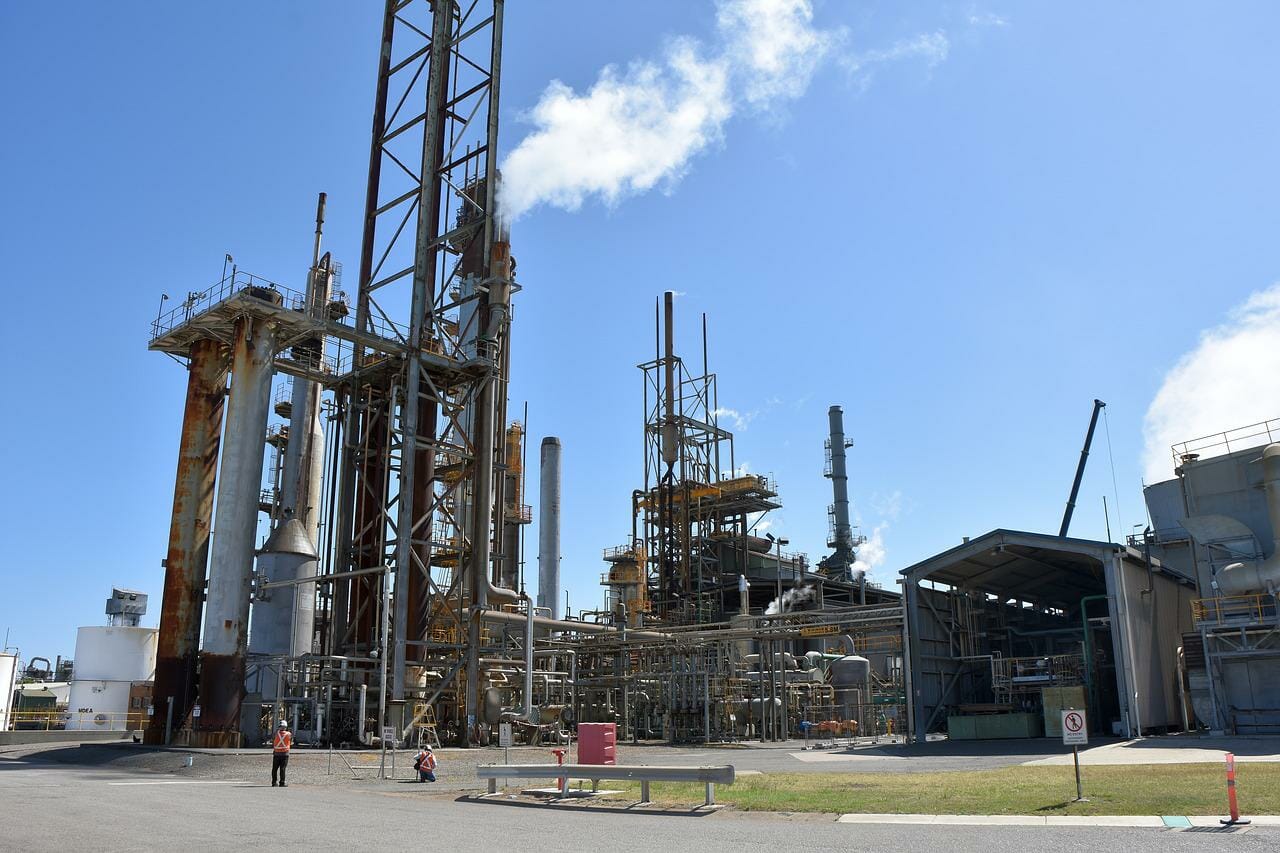

USP Plans to Develop New Factory That Will Produce Green Hydrogen Using Ethanol. The Facility Will Be Over 400 Meters and Capable of Producing Up to 4.5 kg of Hydrogen Per Hour.
The University of São Paulo (USP) unveiled plans to establish the world’s first green hydrogen production factory using ethanol. The conversion of ethanol, a fuel generated from sugarcane, of which Brazil is the world’s largest producer, will be conducted through a chemical process known as steam reforming.
New Green Hydrogen Factory Will Have Capacity to Produce 4.5 kg/h
The method of the new factory involves heating a mixture of ethanol and steam within a reactor, reaching a temperature of 700 degrees Celsius, resulting in the production of green hydrogen.
The factory will occupy an area of 425 square meters and will have the capacity to produce 4.5 kilograms of green hydrogen per hour, a sufficient amount to fuel up to 3 trucks and one light vehicle. The estimate is that this new experimental unit will be fully operational in the second half of 2024.
-
Scientists Convert Food Waste into Aviation Fuel, Successfully Test 50% Blend with Conventional Kerosene to Cut Emissions and Promote Sustainable Flights

-
OnePlus N6 Smartphone to Launch in India with 8,000mAh Battery and 45W SuperVOOC Charging, Lasting Up to Three Days
-
Scientists Plan to Release Air Bubbles Underwater to Protect Antarctica’s “Doomsday Glacier” from Melting

-
Chinese R6000 Drone Combines Airplane and Helicopter Features, Carries Up to 12 People for Multiple Missions
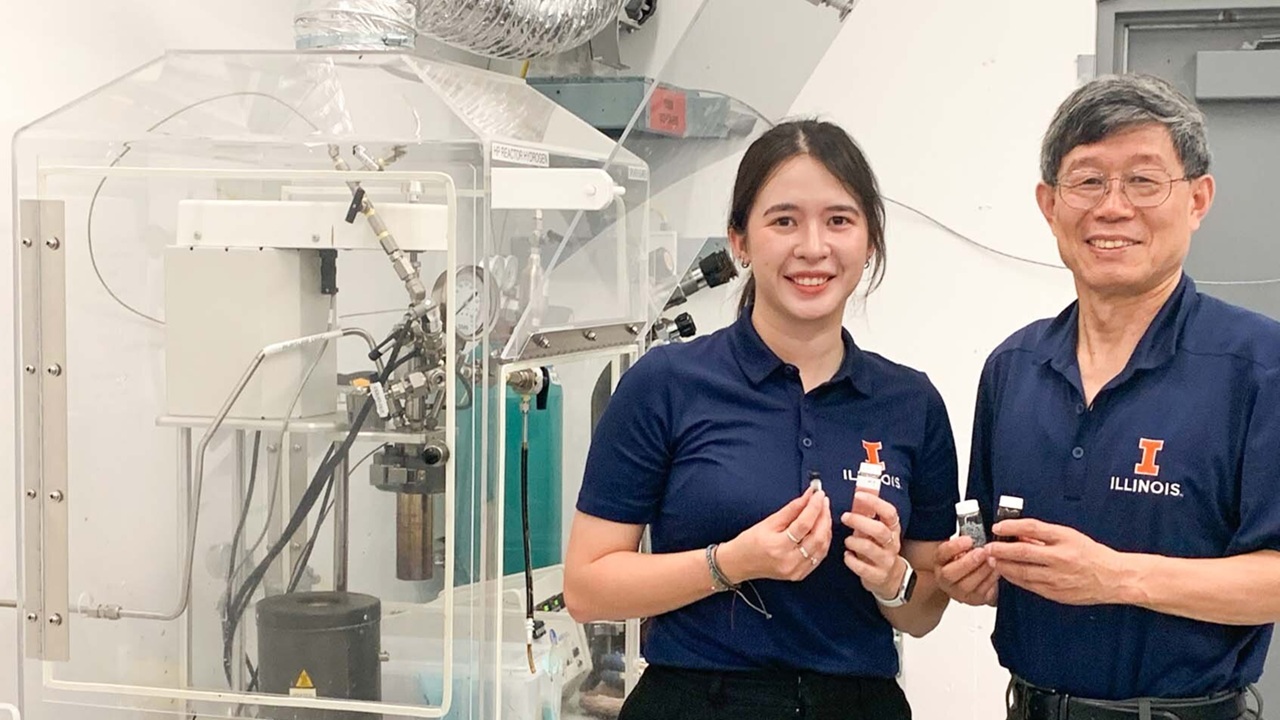



The production cost is projected to be between six and nine dollars per kg, representing a savings compared to the 13 dollars spent on hydrogen produced in California. Thus, throughout the operation of the experimental station, scientists will validate the calculations regarding emissions and costs of the green hydrogen production process.
USP’s initiative emerges as a low-carbon solution for heavy transportation, including trucks. Vehicles will stop using diesel and traditional internal combustion engines, transitioning to using green hydrogen produced from ethanol and engines equipped with fuel cells.
USP Project Results from Several Partnerships with Companies Such as Shell Brazil, Raízen, Senai Cetiqt, Hytron, and Toyota
The green hydrogen generated at the new factory will fuel buses provided by the Metropolitan Urban Transport Company of São Paulo (EMTU), which operate exclusively within the University City, and also a Mirai vehicle, provided by Toyota Brazil to test the performance of the hydrogen produced from ethanol.
The hydrogen refueling station is the result of a research project developed by the Research Center for Greenhouse Gas Innovation (RCGI) at Poli, in partnership with Shell Brazil, Raízen, Senai Cetiqt, Hytron, and Toyota.
Among the equipment to be installed at the new factory in SP, there will be a steam reformer that will enable the conversion of ethanol into hydrogen through a chemical process known as steam reforming, which occurs when ethanol, subjected to specific temperatures and pressures, reacts with water inside a reactor.
Brazil Receiving Investments to Expand Green Hydrogen
In July, the mayor of Caucaia-Ceará, Vitor Salim, met with representatives of the company Casa dos Ventos Energias Renováveis to discuss the installation of a Green Hydrogen plant, in the expansion of the Export Processing Zone 2 (ZPE 2), an area of the Pecém Industrial and Port Complex (CIPP).
The estimated investment for the first phase of the project is US$ 900 million, which converted to our currency amounts to approximately R$ 4.3 billion.
Valim emphasizes that the green hydrogen plant in Ceará will trigger a significant production chain for industrialization and development for the municipality. According to the manager, the meeting was another important step to advance the renewable energy initiatives in the city, stating that it represents the beginning of new investments for Caucaia, besides encouraging job and income generation.
The Secretary of Urban and Environmental Planning, Diego Pinheiro, states that the green hydrogen project in Ceará will begin construction in 2025 and is expected to start operations as early as 2027.