





At the University of Brasília, UnB, researchers created Rapha, a device for diabetic foot that combines natural rubber tree latex and LED light to heal wounds faster and help avoid the approximately 50,000 amputations per year in Brazil, the result of nearly 20 years of research.
Diabetic foot is one of the most feared complications of diabetes, leading thousands of people to amputation every year in Brazil. Researchers at the University of Brasília, UnB, have created a device that aims to change this scenario. Named Rapha, the device for diabetic foot combines two Brazilian and inexpensive elements: natural rubber tree latex and LED light. Together, they accelerate wound healing and can help prevent a significant portion of the approximately 50,000 amputations per year in the country.
The invention was reported by Só Notícia Boa, which showcased the result of almost two decades of research. Rapha has already received the Inmetro safety seal and is awaiting Anvisa registration to be produced on a large scale. It is not a distant laboratory promise: it is national technology, made with raw materials from Brazil itself, close to reaching patients.
Natural Rubber Tree Latex and LED Light Together
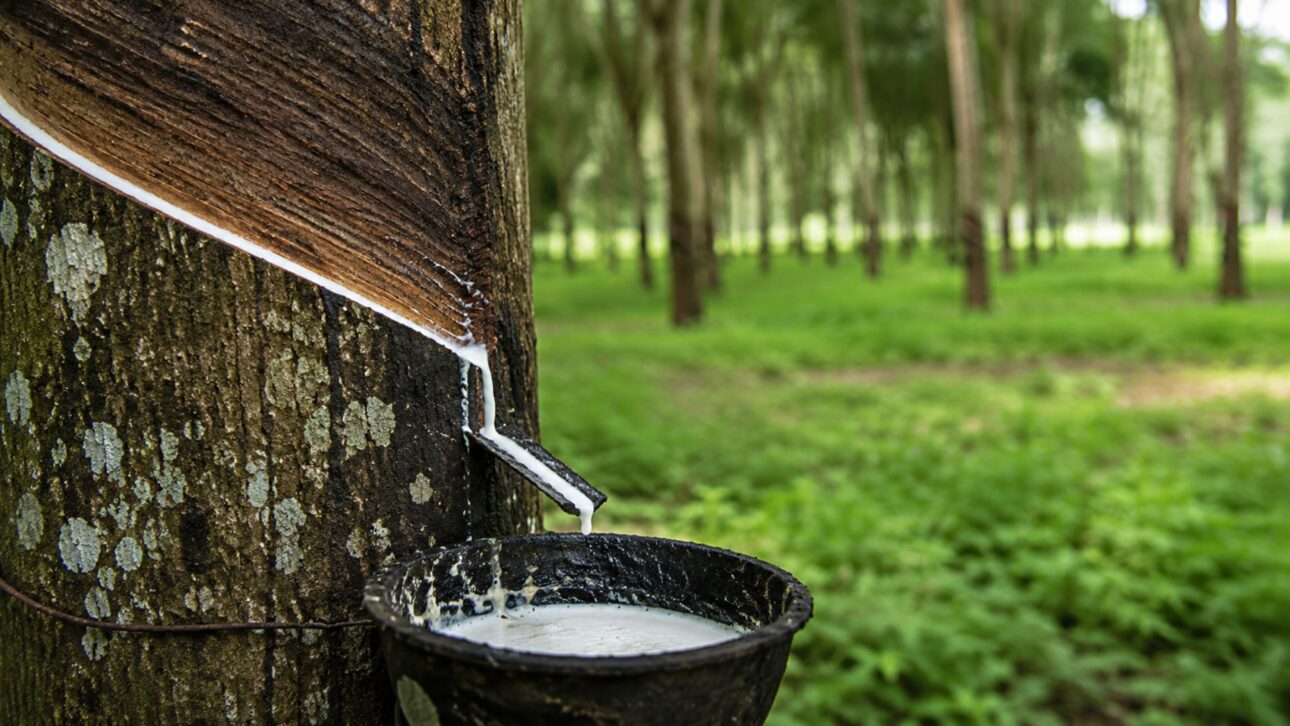
Rapha uses a dressing made of natural latex extracted from the rubber tree, the same tree as rubber, placed over the wound.
-
Brazilian Startup Offers Free Home Cleaning in Exchange for Data to Train AI-Powered Domestic Robots

-
Bangladeshi Student Transforms E-Waste into Solar-Powered Water Purifier for Flooded, Off-Grid Areas

-
Rare Diamond Found in Brazil’s Mato Grosso Formed 800 Kilometers Deep, Holds Clues to Earth’s Water Transport

-
Smart Connectivity Transforms Daily Life: High-Speed Internet, 5G Mobility, and Seamless Service Control


On top of the dressing, a LED light emitter is applied, which works together with the latex to stimulate the skin to regenerate faster. Two technologies working simultaneously on the same wound.
On one side, natural latex; on the other, light. This device for diabetic foot combines the best of nature and engineering in a single solution.
How Rapha Heals the Wound
Each part of the device has a specific function. The natural latex from the rubber tree helps the body form new blood vessels in the wound area, which brings more blood and nutrients to the site and speeds up recovery.
The LED light, in turn, activates skin cells, giving an extra boost to healing. In practice, after cleaning the wound, a layer of latex is applied, and the light is positioned for about 30 minutes, with the dressing remaining in place for 24 hours.
It is a simple treatment to apply, but with heavy science behind it. Rapha transforms a slow process into something faster and more efficient.
The problem: 50,000 amputations per year
The target of the device is a silent public health tragedy. Brazil has over 16 million people with diabetes, and diabetic foot is one of the most severe complications of the disease.
When a wound on the foot does not heal properly, it can progress to infection and lead to amputation, totaling about 50,000 amputations per year in the country. Each of these surgeries changes a life forever.
Accelerating the healing of these wounds is, therefore, a direct way to prevent amputations. This is exactly the bottleneck that the diabetic foot device aims to tackle.
Almost 20 years of research at UnB
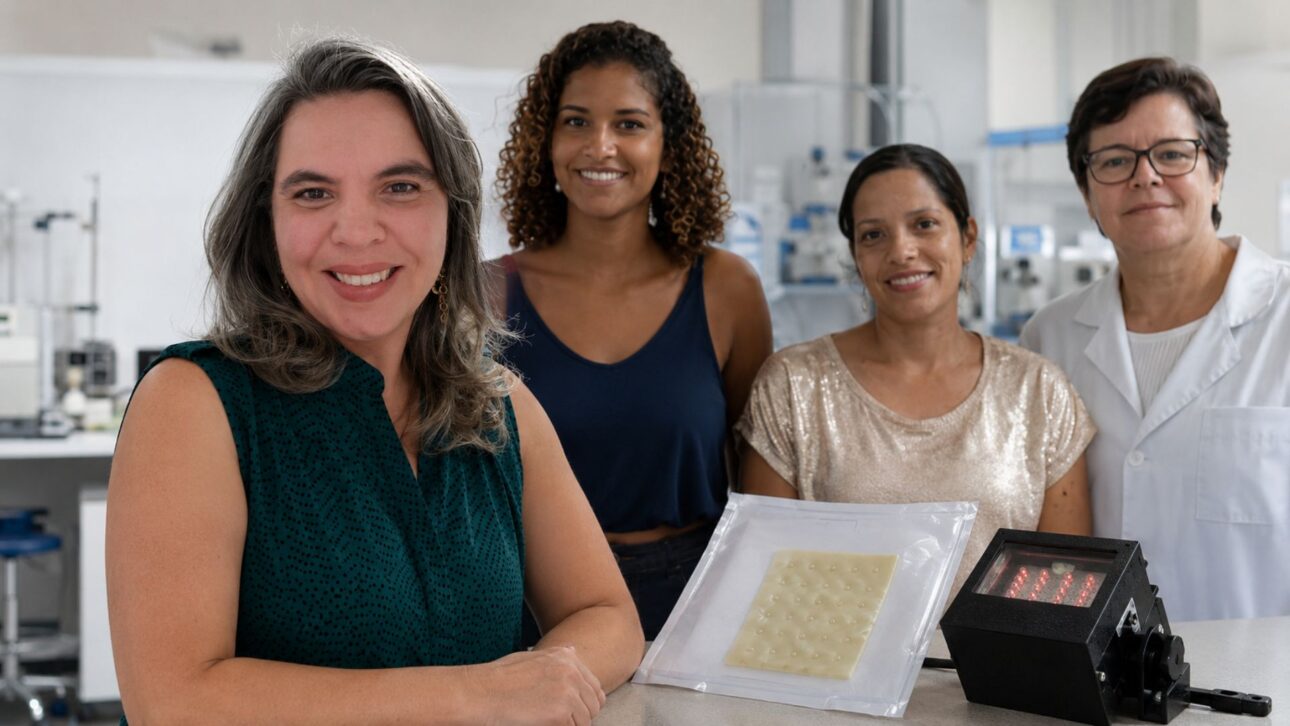
The device is the result of nearly two decades of research at the University of Brasília, led by Professor Suélia Rodrigues, from the Biomedical Engineering group at UnB.
The story began around 2005, when she, still a doctoral student, realized the potential of latex to stimulate blood vessel formation. Over the years, other names joined the project, such as researcher Adson Ferreira da Rocha, according to UnB.
It took years of theses, tests, and adjustments until the equipment was ready. It is long-lasting Brazilian science, built brick by brick at UnB.
Inmetro seal and waiting for Anvisa
The technology is already advancing towards the market and the SUS. Rapha received the Inmetro safety seal, an important step for any medical equipment.
Now, the device for diabetic foot is awaiting registration from Anvisa, the agency that needs to approve the product so it can be manufactured on a large scale. The technology has been licensed to the Brazilian company Life Care Medical, which will handle production.
The ultimate goal is for the device to reach the public health network and serve those who need it most. From an academic project to a regulated product, the path is almost complete.
Why domestic raw material matters
One detail makes the Rapha even more Brazilian. The latex used comes from the rubber tree, Hevea brasiliensis, a native tree of the Amazon and the basis of natural rubber.
Using natural latex from the rubber tree as a raw material means a low-cost technology with a national identity, instead of relying on expensive imported inputs. This can reduce treatment costs and facilitate production within the country.
Valuing the rubber tree also connects health to a traditional Brazilian production chain. It’s cutting-edge innovation using what Brazil already has in abundance.
What Rapha shows
The greatest lesson is what Brazilian science can achieve with its own resources. Rapha shows that researchers from UnB managed to transform natural latex from the rubber tree and an LED light into a device for diabetic foot capable of helping to prevent amputations.
Of course, it’s important to stay grounded. The device is still awaiting Anvisa’s registration to be produced on a large scale, so its mass arrival to patients depends on this approval and production, and it won’t happen overnight.
Even so, seeing a product born from nearly 20 years of research at UnB, made with domestic raw material, close to combating 50,000 amputations per year is the kind of progress that makes us proud. From the rubber tree to the patient’s bed, Rapha combines nature, engineering, and public health, proving that long-term, well-funded research saves feet and lives.
And you, did you know that rubber latex can help heal wounds and prevent amputations? Tell us in the comments what you think of this type of innovation in Brazilian science.


