






 Portuguese
  Spanish


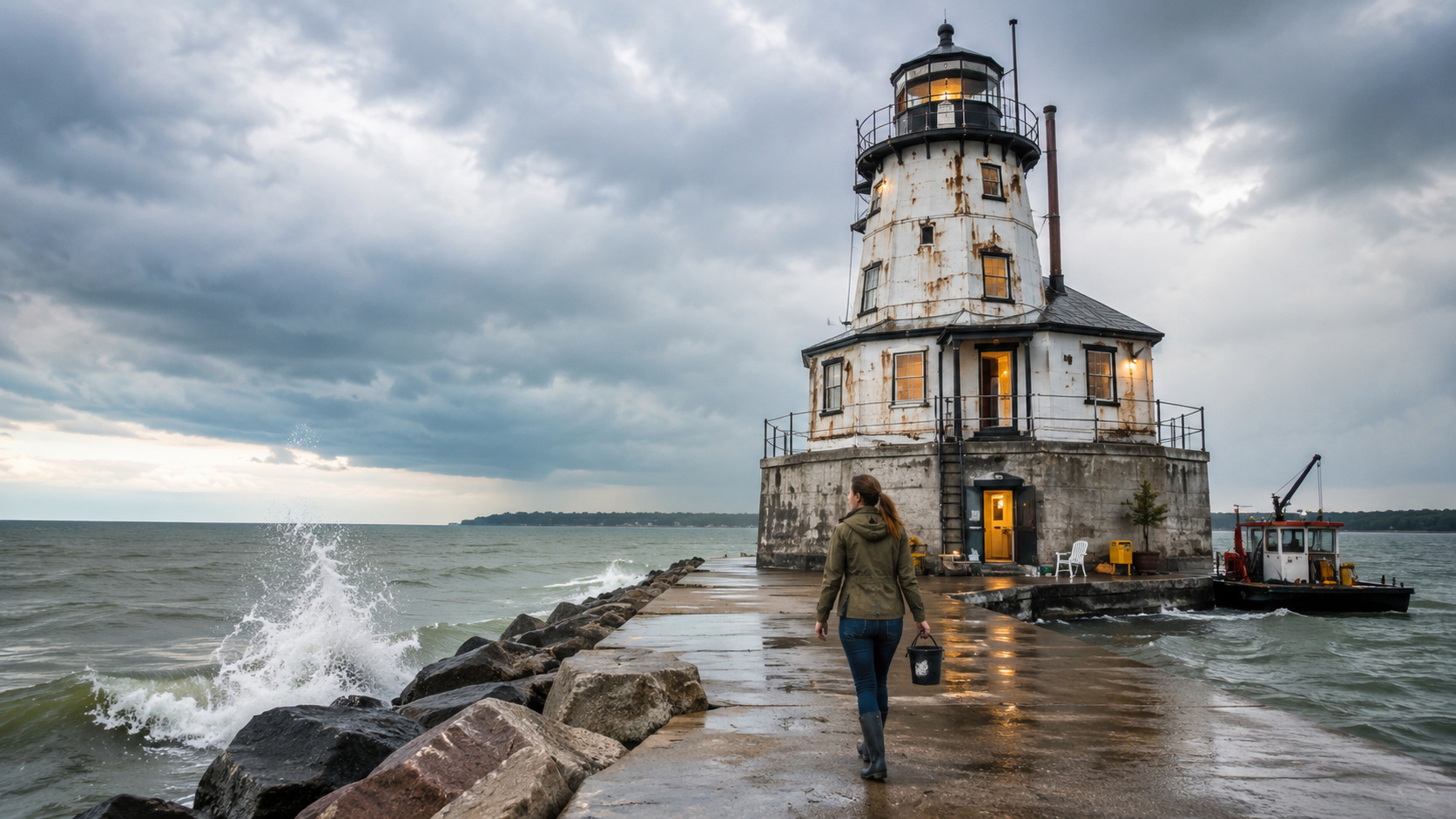

The lighthouse renovation on Lake Erie required lake transport, self-sufficient energy, care for 1925 walls, and preserved maritime signaling.
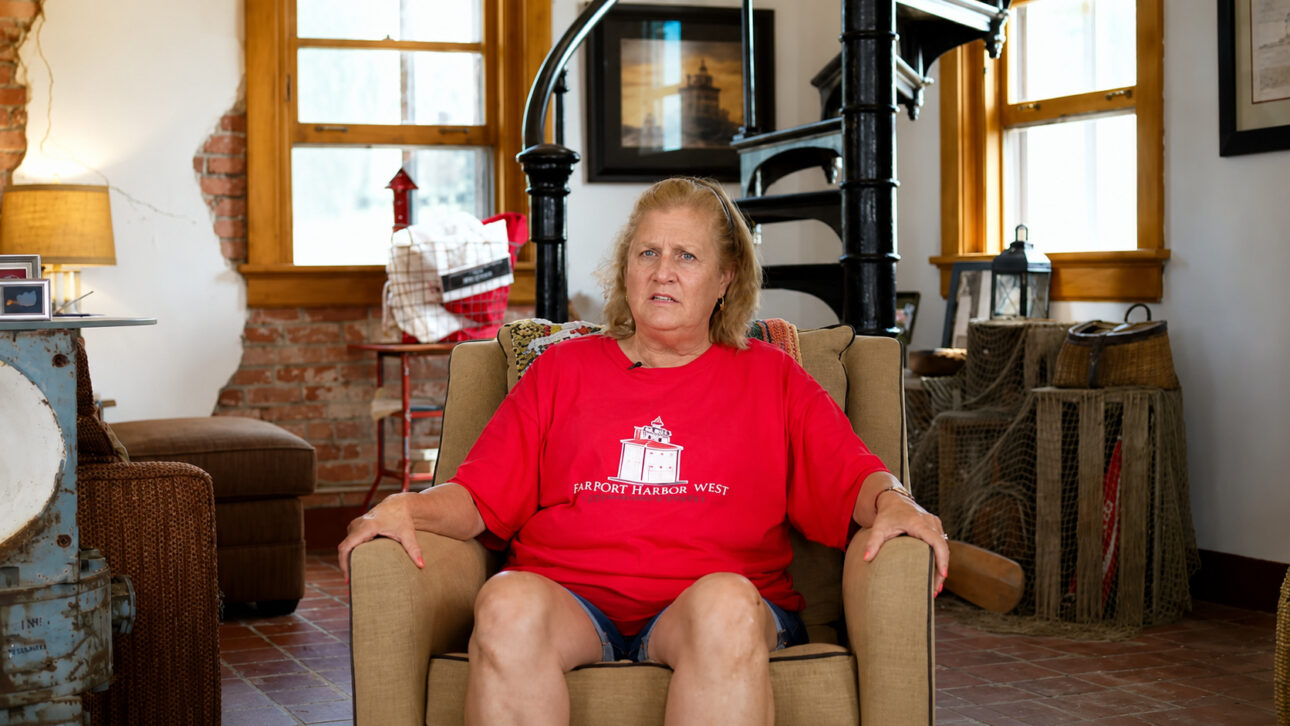
How to renovate a house when access depends on the breakwater and Lake Erie? The Fairport Harbor West Breakwater Lighthouse, a maritime signaling infrastructure built in 1925 at the entrance of the Grand River on Lake Erie, underwent a renovation for residential use after being acquired in a federal auction by Sheila Consaul in 2011.
The intervention of the abandoned lighthouse restored a structure that remains operational and automated, with repairs to windows, walls, floors, and electrical installations, in addition to solutions for energy, water, and equipment transportation by boat or ferry.
The information was published by CNBC Make It, a video channel about careers and business. The material shows the purchase of the property in 2011 and the effort to adapt the tower without erasing its original function.
-
Former banker from Brazil invests $20,000 in açai shop, expands to 18-store chain with $2 million revenue

-
From Cars and Motorcycles to 15-Meter Truck Operator: She Works at 4,800 Meters in Argentina’s Veladero Gold Mine, Where 16% of Workers Are Women

-
1,600-Year-Old Byzantine Christian Lamp Shaped Like a Sandaled Foot May Have Biblical Origins

-
Brazilian Researchers Develop Cassava Starch and Grape Peel Packaging That Changes Color to Indicate Spoilage of Meat and Fish


A 1925 lighthouse made to guide vessels on Lake Erie
The Fairport Harbor West Breakwater Lighthouse was built in 1925 at the entrance of the Grand River on Lake Erie. The tower replaced the old Grand River Lighthouse and continues with automated operation.
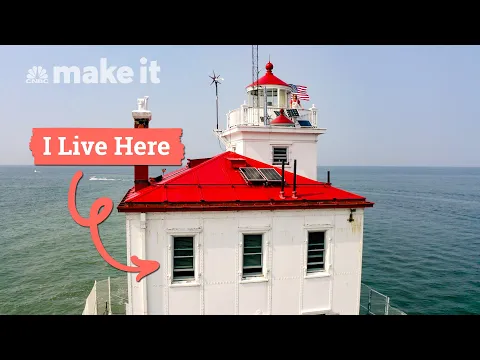

This means that the light can operate without a resident activating it every day. Thus, the presence of a summer house does not eliminate the importance of the lighthouse as a reference for boats passing through the region.
The construction combines masonry and steel structure on a concrete base. Walls, openings, and installations required care because the property was not originally designed to accommodate bedrooms, a kitchen, or the comfort of a common house.
Difficult access turned each delivery into part of the lighthouse renovation
The journey to the lighthouse does not end on a street or garage. The structure is located at the end of a breakwater, a concrete passage along the lake, and the delivery of each piece needed to consider the path and the weather.
Supplies and equipment were brought to the property, while construction waste made the return journey. Furniture and larger items depended on a boat or ferry, with trips only possible when Lake Erie conditions allowed.
CNBC Make It, a video channel about career and business, showed that the renovation turned into a transportation operation. A large object didn’t just arrive by truck, as it needed to cross the lake area to the tower.
Water, energy, and waste became central to the summer house
The lighthouse renovation included composting toilets, rainwater collection and treatment, a generator, and solar and wind energy systems. These resources helped adapt a building far from the common service grid.
The composting toilet treats waste differently, without relying on the same connection used by a regular toilet. Meanwhile, rainwater needed to be collected and treated before limited use inside the house.
These solutions show that living there didn’t just depend on decoration. Water, energy, and waste disposal were part of the basic functioning of the summer house, in a location where any maintenance began with access logistics.
Windows, walls, and floors required care to maintain history
When Sheila Consaul took over the property, there were broken windows boarded up, mold marks, and parts of the plaster fallen. The restoration had to tackle accumulated damage without removing what could still be preserved.
The original windows that could be repaired were restored. The pieces beyond repair were replaced with similar wooden models, while walls and floors received repairs to maintain the building’s appearance.
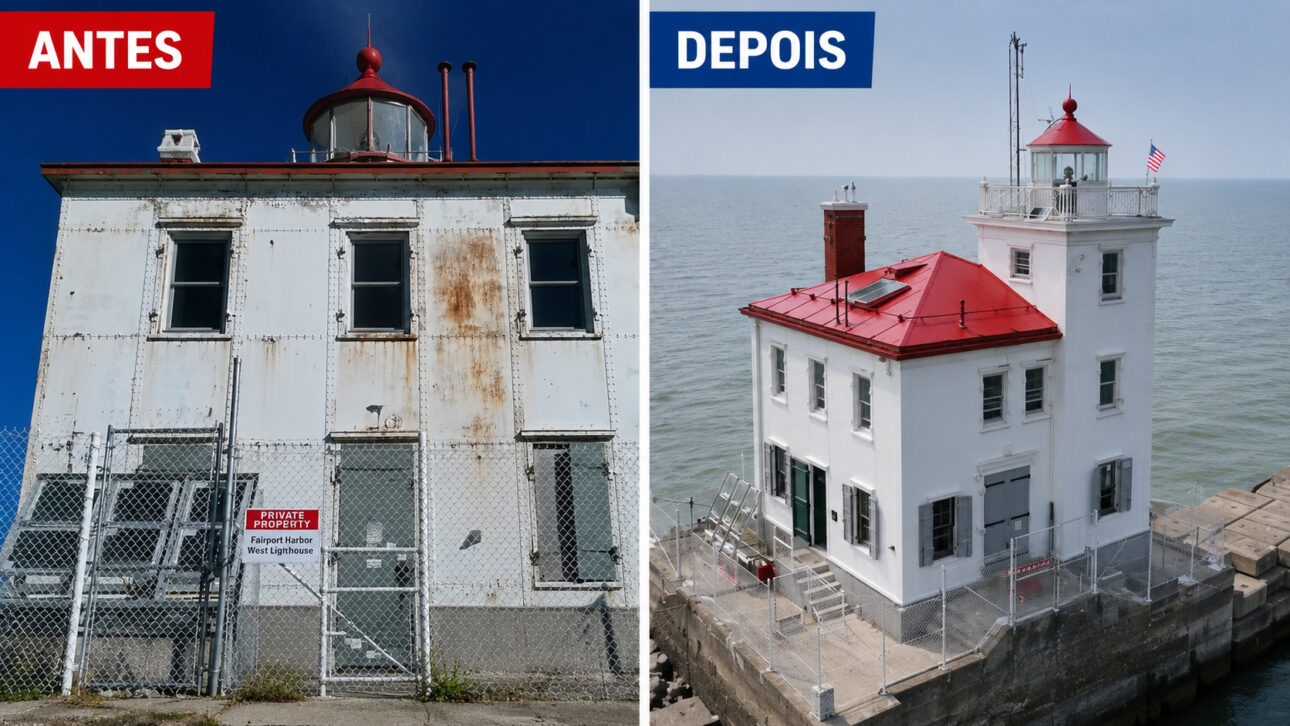
The choice was not just aesthetic. In a maritime signaling tower, each change can alter elements that tell the property’s history. The renovation sought to make the space habitable without making the lighthouse look like a new house.
Living inside a tower is not the same as living in a regular house
The project transformed the property into a summer house, but the shape of the building continued to define the routine. The internal spaces needed to accommodate rest, meals, and daily needs within a structure designed for another function.
The view of Lake Erie is part of the result, but it does not solve the limitations of living on site. Access depends on the breakwater, the lighthouse remains automated, and maintenance requires constant attention to materials exposed to water.
The adaptation made by Sheila Consaul shows that a lighthouse renovation involves much more than creating beautiful environments. It requires historical preservation, transportation planning, and solutions to keep the house functioning in an isolated location.
The recovery of the lighthouse shows how works on isolated maritime structures depend on logistics, their own water and energy systems, and preservation of the original function. In your opinion, what is the biggest challenge in a technical renovation of this magnitude: transportation, maintenance, or infrastructure operation? Comment and share.


