






 Portuguese
  Spanish


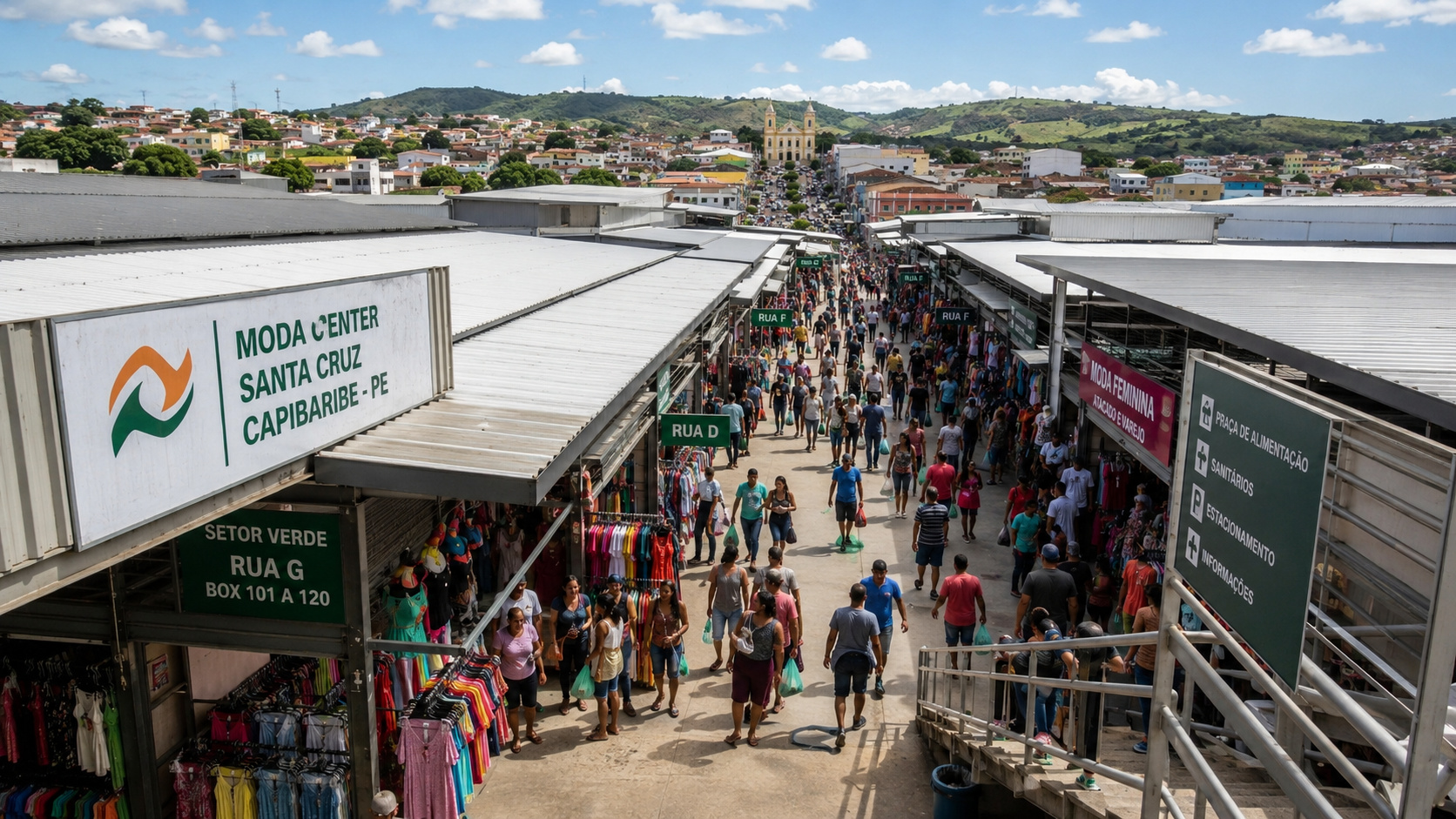

With the advance of the so-called “blouse tax” on low-value international purchases, Santa Cruz do Capibaribe, known as the capital of blouses, gains strength among Brazilian shopkeepers, expands its influence in the national popular fashion market, and transforms Moda Center into a strategic alternative for those seeking cheap clothes, ready delivery, national production, and factory prices in the Pernambuco agreste
The so-called “blouse tax”, created to increase taxation on low-value international purchases, has changed the behavior of Brazilian consumers and resellers. In this scenario, Santa Cruz do Capibaribe, nationally known as the Capital of Blouses, has returned to the center of attention in Brazilian popular commerce.
Located in the agreste region of Pernambuco, the city is home to Moda Center Santa Cruz, considered the largest wholesale clothing center in Brazil. As a result, the municipality receives approximately 100,000 buyers per week, according to data released by the commercial center itself and by sector entities.
With the taxation on imported products from foreign platforms, many shopkeepers started looking for national suppliers. Thus, Santa Cruz gained even more space in the popular fashion market.
-
Brazil’s 2026 Tax Refund: Record 9.58 Million Filers in Largest Payout Ever, But a Key Detail on Priority Recipients Draws Nationwide Attention

-
Itaú Alters Hybrid Work Model, Increasing Office Days from 2028, Prompting Employees to Adjust to New Routine
-
Facing Labor Shortage, Japan Plans to Invest $34 Million to Attract Foreign Workers in Construction, Healthcare, Industry, and Commerce

-
Brazilian City Makes Remarkable Leap, Becomes 4th Wealthiest in the Country with GDP of R$ 134.1 Billion



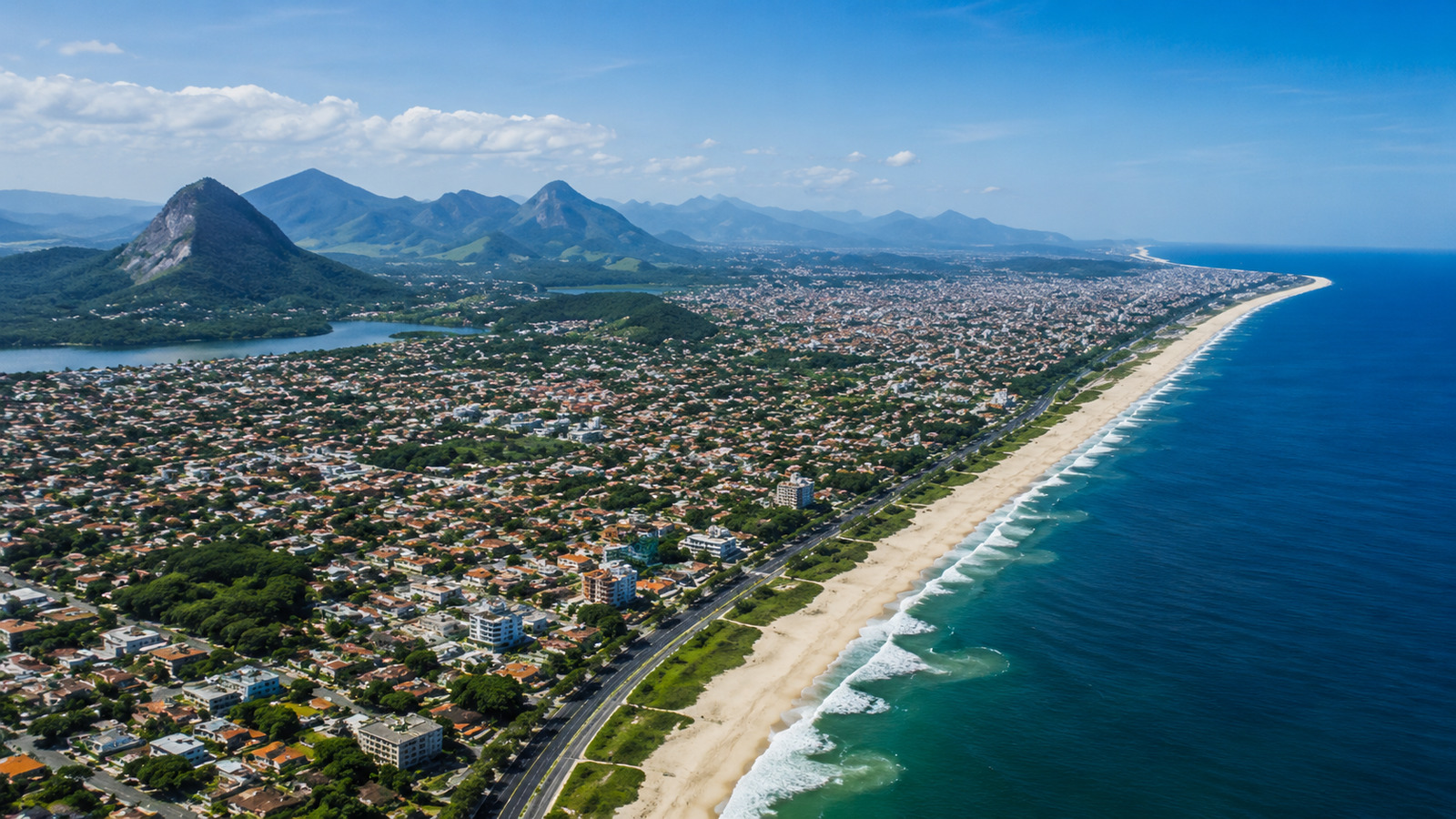
Capital of blouses became a national powerhouse of popular fashion
The city’s history began in 1750, when Antônio Burgos installed a wooden cross on the banks of the Capibaribe River. However, the economic transformation occurred mainly from the 1940s onwards.


During that period, merchants began bringing discarded scraps from Recife. Later, residents started producing simple and affordable clothes. This is how the so-called sulanca was born, linked to the “helanca do sul” fabric.
According to Senai, Santa Cruz do Capibaribe has become one of Brazil’s largest clothing producers. Sebrae states that the municipality is part of the Garment Triangle, alongside Toritama and Caruaru.

Blouse tax strengthens national production
With the increase in costs on imported products, especially cheap items sold on foreign platforms, suppliers from the agreste region began to see new commercial opportunities.
In this movement, buyers who previously relied on imports started looking for products manufactured in Pernambuco. The differential lies precisely in factory prices and fast delivery.
At Moda Center, more than 10,000 stalls and shops sell blouses, dresses, skirts, sets, lingerie, children’s fashion, and denim items. Therefore, the hub offers a variety similar to that found on international marketplaces.
At the same time, many products sold in Brazilian stores are already manufactured in the Pernambuco agreste. In many cases, they only receive labels from other brands before resale.
Moda Center moves millions in the Pernambuco agreste
Opened in 2006, Moda Center occupies approximately 320,000 m². The structure includes food courts, hotels, dormitories, and parking for thousands of vehicles.
During periods like Carnival, June festivals, November and December, the flow can reach 150 thousand visitors. Thus, the wholesale center reinforces its position as a national reference for popular fashion.
In fact, excursions arrive from several capitals in the North and Northeast. The parking lot has capacity for 315 buses, facilitating the transport of resellers.
While the “blouse tax” changes the imported goods market, Santa Cruz do Capibaribe expands its economic relevance. The city that was born among scraps now directly competes with international giants of popular retail. Can the capital of blouses become the great Brazilian answer to more expensive imported goods?









