






 Portuguese
  Spanish
  3 min of reading
  3 comments


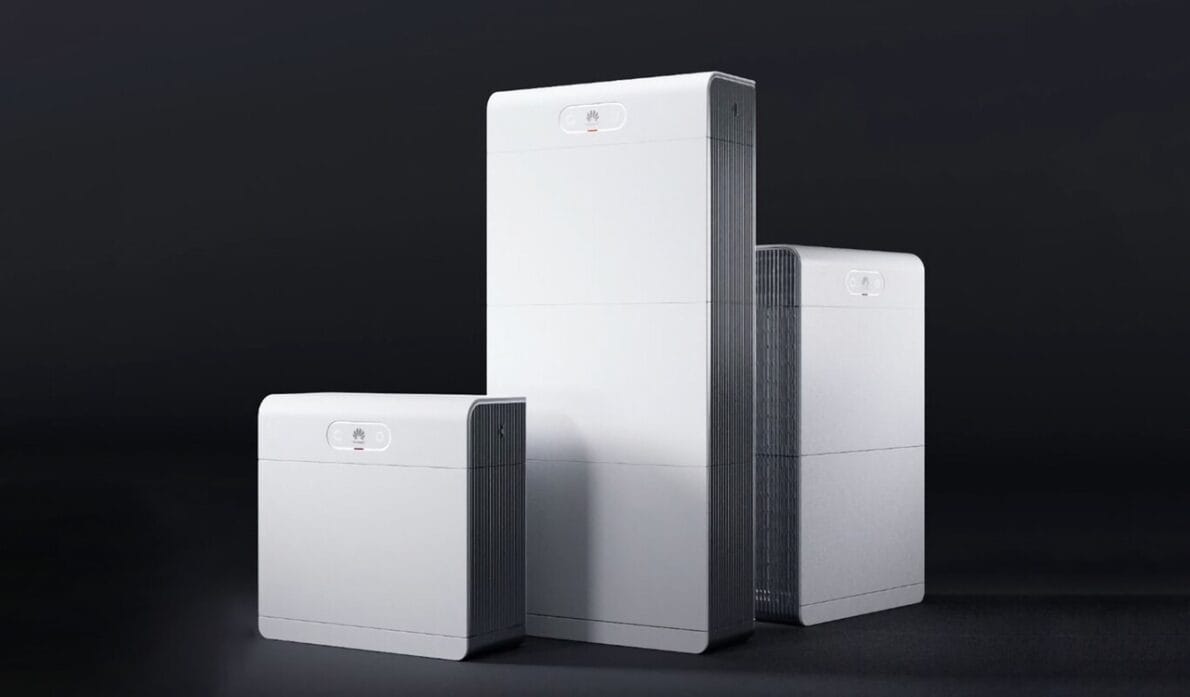


Transform Your Home with Huawei LUNA: Photovoltaic Storage Leading in Innovation and Sustainability.
Huawei, the Chinese tech giant, marks a new milestone in the renewable energies sector with the launch of its residential photovoltaic storage system LUNA2000-7/14/21-S1. This “all-in-one” product, designed specifically for home applications, not only promises maximum efficiency and reliability but also offers a comprehensive solution to meet the energy needs of a wide range of households.
With storage options ranging from 6.9 to 20.7 kWh, the LUNA2000 presents itself as a strategic investment in a more sustainable and efficient future.
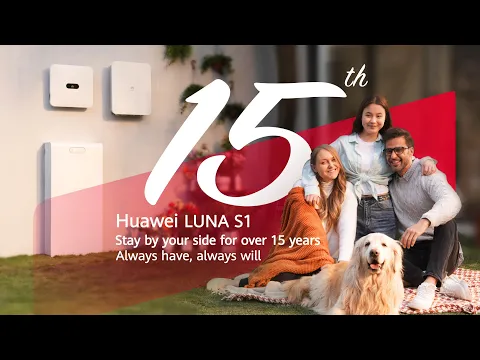

Huawei LUNA
This system, designed for home applications, not only promises efficiency and reliability but also presents itself as an “all-in-one” solution for the energy needs of a wide range of households. What distinguishes the LUNA S1 family is its ability to adapt to various residential environments, thanks to its storage options ranging from 6.9 to 20.7 kWh.
-
Brazilian scientists are simultaneously advancing two research projects on clean hydrogen and driving solutions that could transform the energy matrix, enhance industrial competitiveness, and accelerate large-scale emission reduction targets.

-
Advancement in renewable energy: A R$ 150 million project launched by Petrobras and Finep aims to create state-of-the-art electrolyzers for green hydrogen, strengthening national research and preparing Brazil to compete in a billion-dollar energy market.
-
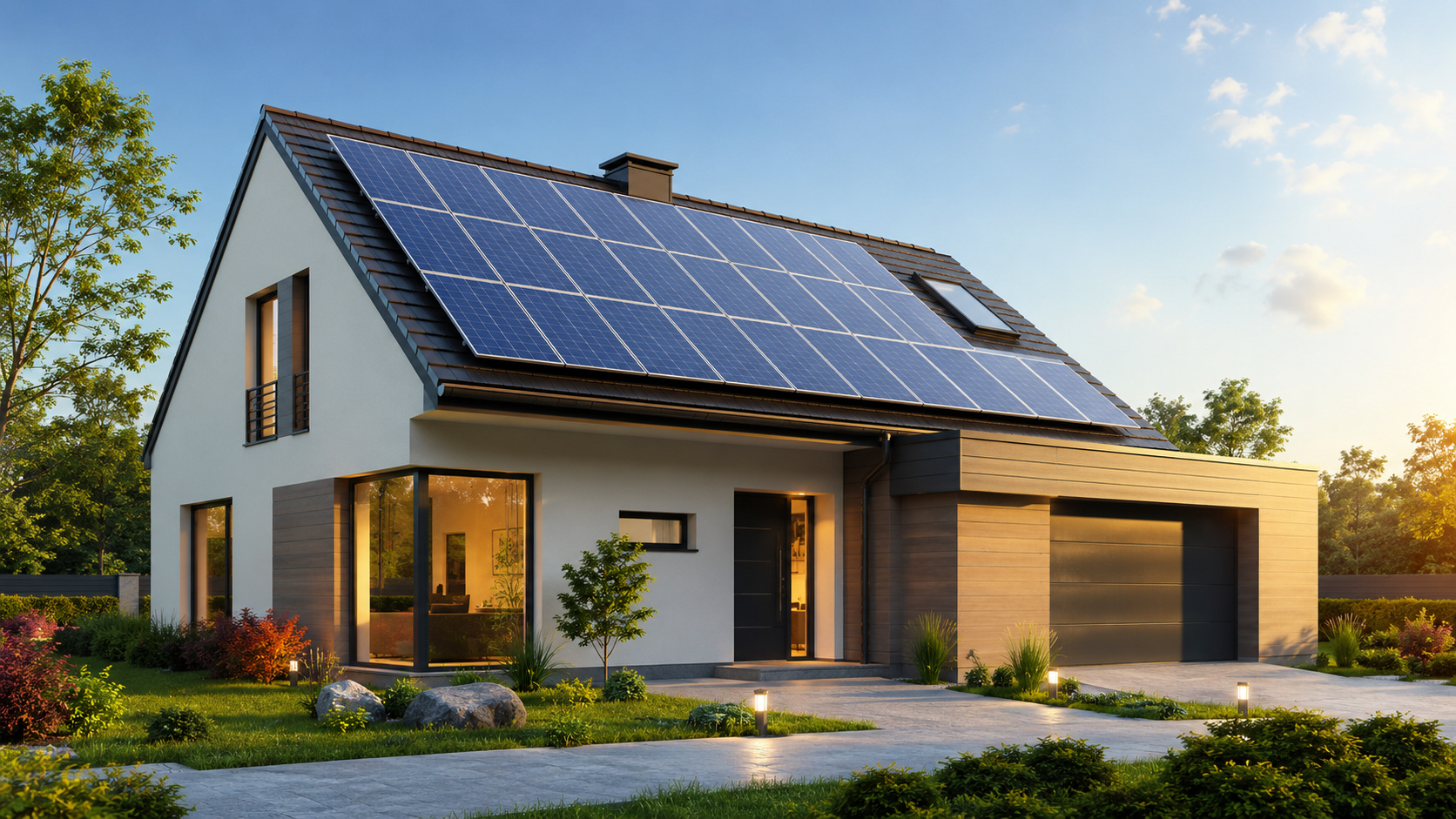
Solar energy can increase property value by up to 10% and become a selling point.
-
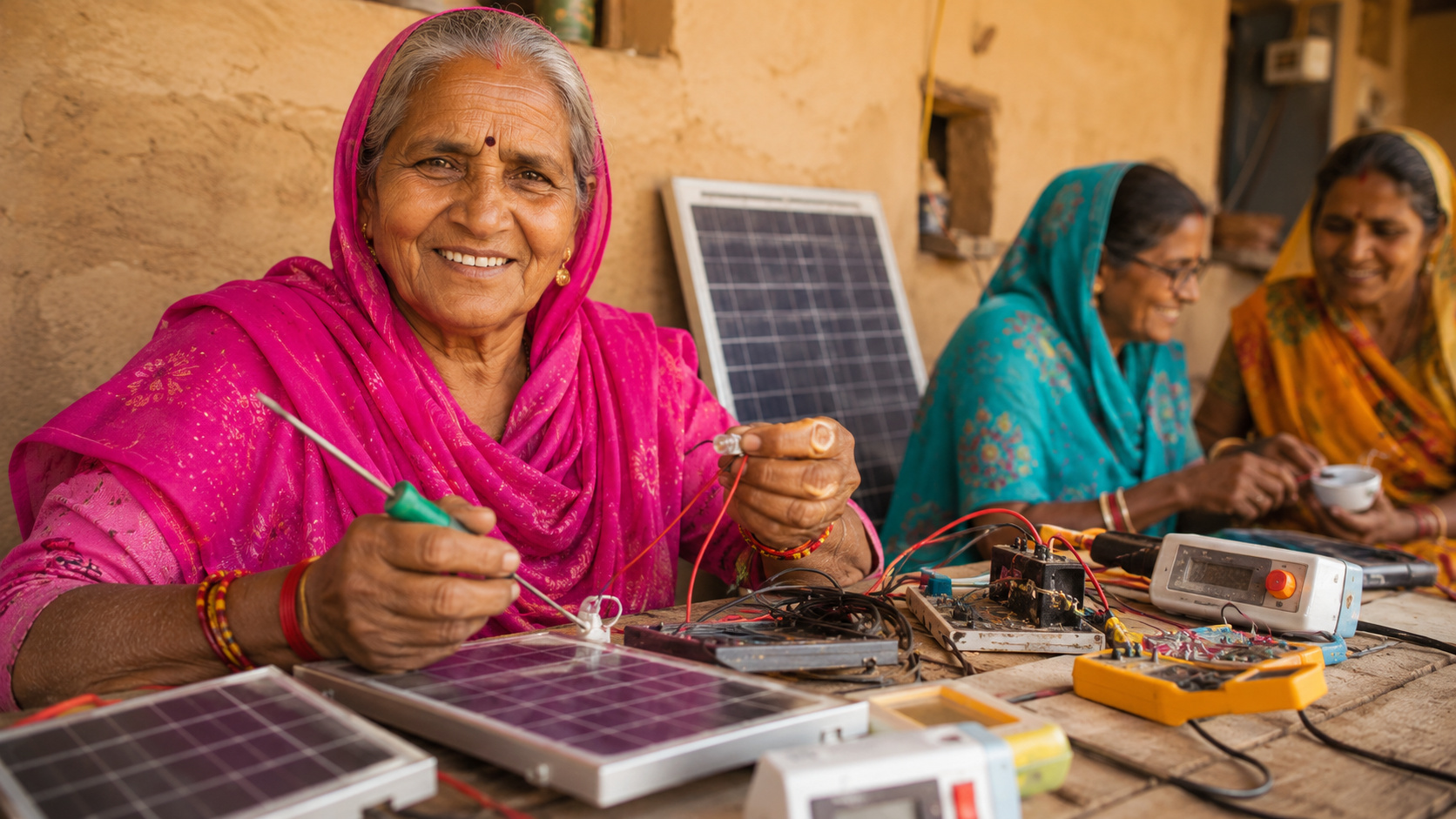
Illiterate or semi-literate grandmothers were trained to repair solar systems, open rural workshops, and light up homes that still depended on kerosene.


Innovative Capabilities
The specifications of the Huawei LUNA S1 are impressive: a single battery module of the LUNA2000-7-S1 model has an energy capacity of 6.9 kWh, while the LUNA2000-21-S1, with three modules, achieves an impressive capacity of 20.7 kWh. These figures are more than promising for those looking to maximize their investment in solar energy.
The system also offers remarkable flexibility in terms of operational voltage, allowing integration with installations that operate in both single-phase and three-phase, with ranges varying between 350~560 V and 600~980 V, respectively, depending on the model.

Advanced Technology
The Module+ technology is one of Huawei’s most significant advancements. This innovation allows for effective storage management, optimizing the performance of photovoltaic installations as a whole. Huawei has opted for 280 Ah cells, surpassing the common 120 Ah, resulting in greater energy efficiency.
Safety and Reliability
Safety is a fundamental pillar for any energy storage system, and the LUNA S1 is no exception. Capable of operating in a wide range of ambient temperatures, from -20°C to 55°C, and protected against immersion in water up to 40 cm deep for 72 hours thanks to its IP66+ rating, the LUNA S1 is designed to withstand. Additionally, it includes an industrial-level emergency fire extinguishing module, with a protection mechanism covering five distinct levels.
The numerous safety certificates it has obtained, including VDE 2510-50, IEC 62169, ISO 13849, IEC 63056, IEC 62040-1, IEC 62477, and UN 38.3, are a testament to its commitment to safety and reliability.

With a 15-year warranty, Huawei not only offers a product; it promises a vision of sustainability and energy efficiency for future generations. The LUNA S1 is not just an investment in renewable energy; it is an investment in a greener planet and a brighter future.
We don’t know the price yet, but we can get an idea by checking the price of the Huawei LUNA 2000 version 10 kWh, currently sold for about 40,000 reais, VAT included.






se nao vier com espião chinês eu não quero
Já está a venda?
Ótimo produto, porém a menor delas, de 6kwh deverá custar uns 25k no mínimo. Muita grana, mas para locais onde não há redes de distribuição seria uma opção, em conjunto com energia solar ou eólica. Vamos aguardar o preço cair.