






 Portuguese
  Spanish
 4 min of reading
  0 comments


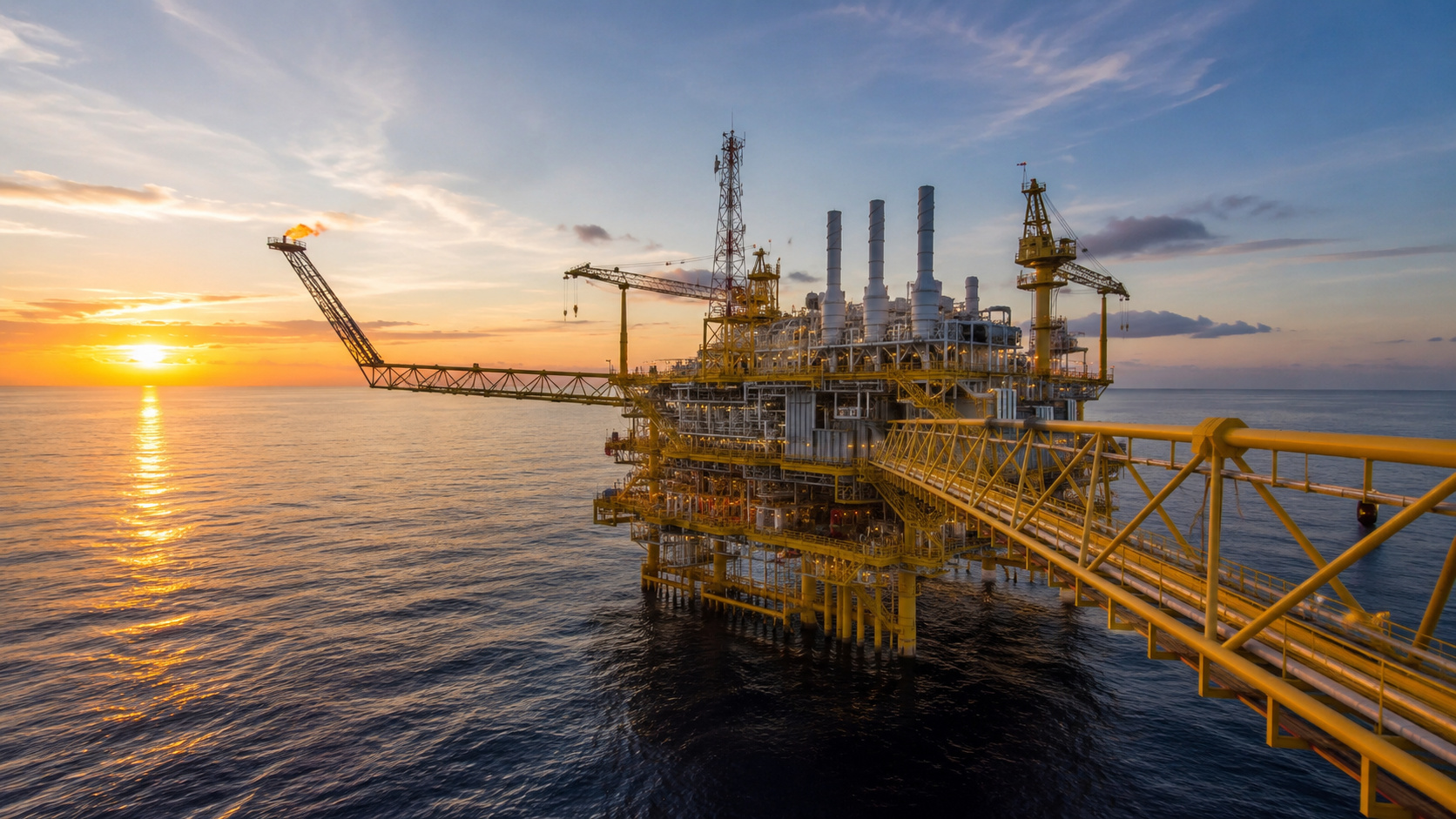
The state of Rio de Janeiro increased its oil production by 13%, reinforcing its position as the main oil hub in Brazil. The advance was mainly driven by the pre-salt fields, which continue to account for the majority of national production.
However, a survey released by the Federation of Industries of the State of Rio de Janeiro (Firjan) points to a concern for the coming years: the replacement of reserves does not keep pace with the extraction rate.
The combination of growing production and lower incorporation of new reserves raises doubts about the ability to maintain current extraction levels in the long term. For industry experts, the sustainability of the industry depends not only on current production but also on the discovery and development of new exploitable volumes.
Pre-salt maintains Rio’s leadership
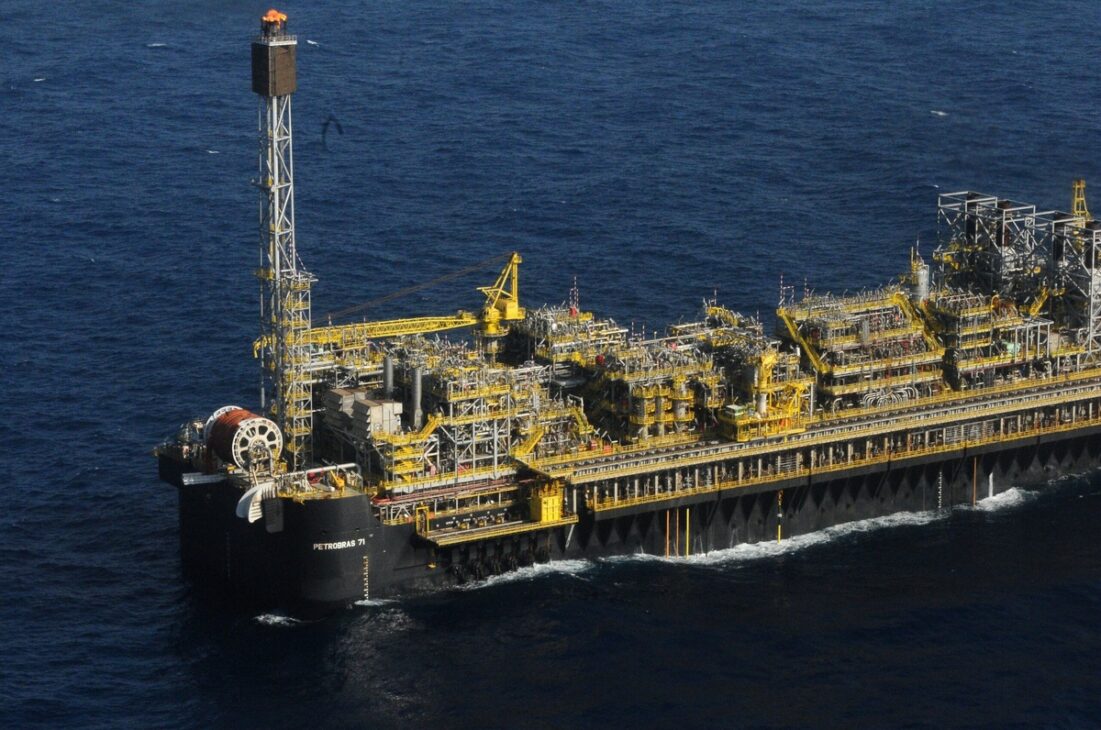
Rio de Janeiro continues to be the largest oil producer in the country thanks to the strength of the pre-salt. The activity drives a wide economic chain involving operators, suppliers, shipyards, specialized service companies, and thousands of direct and indirect jobs.
-
Petrobras is expected to complete the drilling of the Morpho well in the Foz do Amazonas in August 2026, the first well in the Equatorial Margin, an oil frontier that the ANP estimates at more than 30 billion barrels and could redraw the map of Brazil.

-
Oil returns to the center of concerns with tension between the US and Iran

-
IEA reduces forecast for global oil demand in 2026 after impacts of the Middle East crisis

-
Bank of Japan raises interest rates to 1%, reaching the highest level in over three decades


Furthermore, oil represents an important source of revenue for the state and for several producing municipalities through royalties and special participations. The higher the production, the greater the potential revenue generation in the short term.
What does reserve replacement mean?
In the oil industry, reserve replacement measures the ability to replace extracted volumes with new discoveries or the reassessment of existing fields.
When a field produces oil, its reserves decrease. Therefore, companies need to continuously find new resources or develop unexplored areas to maintain future economic activity.
Firjan highlights that production growth without equivalent replacement can compromise the sector’s predictability. This affects investment decisions, infrastructure planning, and even public revenue projections.
Direct impact on the state’s economy
The economic dependence on oil makes the topic strategically relevant for Rio de Janeiro.
According to Firjan, the oil and gas sector exerts a strong influence on state and municipal revenues, especially in producing cities. Thus, any future reduction in activity may affect public investments, job creation, and tax collection.
The president of Firjan, Luiz Césio Caetano, had already warned in previous studies by the entity that the advancement of production needs to be accompanied by the expansion of reserves to ensure the continuity of economic growth linked to oil.
Brazil produces more, but horizon diminishes
The warning is not limited to Rio de Janeiro. Data from the 10th Oil Yearbook in Rio shows that Brazil rose from the 10th to the 7th position among the world’s largest oil producers in the last decade.
However, the so-called reserve-production factor, an indicator that estimates how long current reserves would sustain production, fell from approximately 23 years to about 13 years in the same period.
This movement shows that the growth of extraction occurred at a faster pace than the incorporation of new reserves, increasing the need for new exploratory areas and investments in research and development.
New frontiers can be decisive
To expand the production horizon, the sector is monitoring projects in new exploratory frontiers.
Among them are the Brazilian Equatorial Margin, considered one of the areas with the greatest potential for oil discovery in the country, and the Pelotas Basin, on the southern coast. Additionally, Brazilian companies are also evaluating international opportunities to increase their reserves.
Karine Fragoso, general manager of Oil, Gas, Energy, and Naval at Firjan, stated that the replenishment of reserves will be essential to avoid a decline in production in the coming decades.
According to her, the country needs to enable new exploration areas, extend the lifespan of mature fields, and develop projects that currently lack economic viability.

Challenge for the Coming Years
Although the 13% growth in production represents positive news for the economy of Rio de Janeiro, the debate on reserve replenishment shows that the industry’s future depends on long-term planning.
While the pre-salt continues to drive production and revenue, governments, companies, and sector entities closely monitor the need to expand available reserves.
After all, maintaining national leadership requires not only producing more today but ensuring that there are sufficient resources to sustain activity in the coming decades.
Source: PIRANOT (June 22, 2026), with data from Firjan’s Oil Yearbook and information from the National Petroleum Agency (ANP).





Be the first to react!